
- High-Performance Doors
-
- Applications
-
-
-
- Clean Room
Stainless steel or composite materials help maintain clean rooms.
-
-
- Coolers
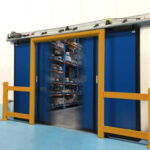
Quick opening speeds & tight seals for temperature control.
-
-
- Parking
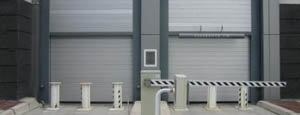
Improve security & traffic flow and enhance architectural style.
-
-
- Hurricane Zone
Withstand winds up to 175 mph and comply with the Florida Building Code.
-
-
-
-
- USDA / FDA / cGMP
Increase productivity & address stringent USDA, FDA & cGMP requirements.
-
-
- Freezers
High-speed & perimeter seals minimize the air exchange between areas.
-
-
- Security
High speed & durability ensure secure access.
-
-
- Ventilation
Perforated or screen door panels allow improved air circulation.
-
-
-
-
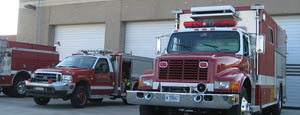
- Fire Station Emergency Response
When time is of the essence, high speed and reliability are crucial.
-
-
- Warehousing
Fast cycle times and secure seals keep environments separated.
-
-
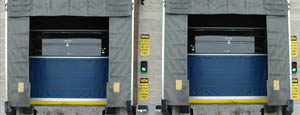
- Loading Dock
Rugged design & secure seal for oversized openings.
-
-
- Large Openings
Break-away functionality with rugged design seals oversized openings.
-
-
-
-
- Heavy Equipment
Withstands challenges of heavy equipment and fleet truck/car wash environments.
-
-
- Self-Storage
Fast opening speeds and reliable, durable construction keep facilities secure and protected.
-
-
- Industries
-
-
-
- Automotive Dealerships
Reduce energy costs, increase productivity and comfort and enhance customer perception.
-
-
- Cold Storage & Processing
Increase productivity and operational efficiency while reducing energy and maintenance costs.
-
-
- Parking
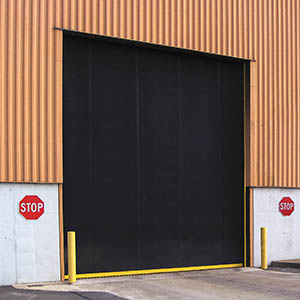
We offer solutions for Apartment / Condo & Loft, Standalone Parking Facilities and Office Buildings
-
-
-
-
- Food & Beverage
Doors specifically engineered for USDA/FDA and cGMP environments, and assured compliance for uncompromising performance.
-
-
- Mfg/Dist/Warehousing
A complete product line allows facilities to increase efficiency and safety and reduce maintenance and energy costs.
-
-
- Government
Ensure effective security and environmental controls are maintained for critical government operations.
-
-
-
-
- Transit
Keep operations running smoothly and efficient while reducing energy and maintenance costs.
-
-
- Pharma, Nutraceutical & Biotech
Doors that offer quick, secure access, environmental control and reliability for life science facilities.
-
-
- Support Resources
- Parts
- Contact Us
- Blog/News
- Why Rytec
- Sales Rep Locator
- Careers
- Dealers
- Architectural Resources




















2026 Best Air Monitoring Systems for Global Buyers?
Choosing among the 2026 best Air Monitoring systems requires more than comparing sensor counts or attractive dashboards. Global buyers need evidence from real installations, clear calibration records, and support that remains available after purchase. A roadside station, a factory boundary, and a school laboratory face different measurement demands. One device cannot serve every location well.
This guide examines systems for particulate matter, gases, weather conditions, and indoor pollutants. It considers measurement accuracy, response time, data access, power options, enclosure strength, and maintenance needs. Details matter. A dusty construction site may require frequent filter checks, while a remote mountain station may depend on solar power and cellular connectivity. Buyers should also confirm whether the supplier explains uncertainty, cross-sensitivity, and sensor drift in practical language.
Look beyond the brochure.
The strongest products usually combine tested hardware with dependable software and trained technical support. However, published performance figures may reflect controlled laboratory conditions rather than humid ports, cold warehouses, or crowded city streets. That gap deserves attention. Independent testing, traceable calibration, regional certifications, and transparent service terms can reveal more than a high specification number. Costs should include installation, replacement sensors, data storage, calibration, and staff training—not only the initial quotation.
This overview is designed for procurement teams, environmental consultants, facility managers, and public-sector buyers. It does not assume that the most expensive system is the most suitable. Instead, it compares practical strengths and limitations, helping readers match monitoring goals with local conditions. Some conclusions may change as sensor technologies improve. That is worth admitting. Reliable decisions begin with accurate measurements, realistic expectations, and a willingness to question incomplete data.
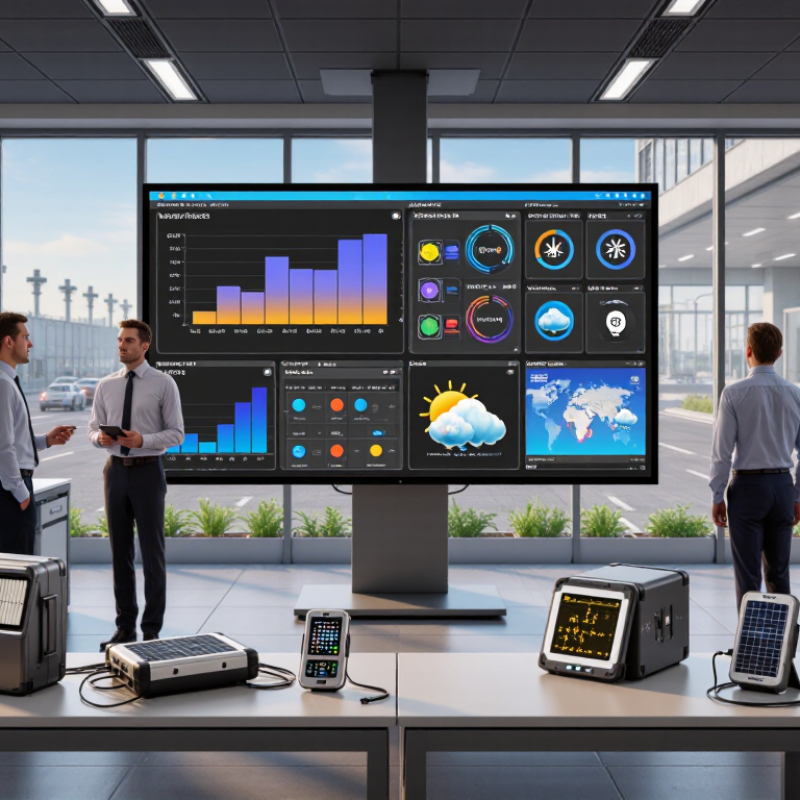
Table of Contents [Hide]
What Are Air Monitoring Systems and Why Do Global Buyers Need Them?
Air monitoring systems measure pollutants and environmental conditions in indoor or outdoor spaces. Typical instruments track particulate matter, carbon dioxide, nitrogen oxides, ozone, temperature, and humidity. They combine sensors, data storage, and reporting software. In practical inspections, a small sensor near a busy loading area can reveal pollution peaks that monthly sampling misses. Timing matters.
Global buyers need these systems because air quality changes sharply between regions, seasons, and building types. A factory beside a highway faces different risks from a school in a humid coastal city. Reliable measurements help safety teams identify exposure patterns and improve ventilation.
They also support environmental reporting, workplace decisions, and communication with local authorities. Requirements differ across countries, so buyers should check applicable standards before ordering equipment.
Accuracy depends on more than the sensor label. Proper placement, calibration, maintenance, and stable connectivity all influence the result. Dust, condensation, vibration, and extreme temperatures can distort readings. Data gaps are common. That assumption is risky. Buyers should request calibration records, detection ranges, response times, and evidence from comparable environments. Local technical support can reduce downtime when a sensor fails or software stops syncing. I have found that simple dashboards often work better than crowded interfaces, especially for teams monitoring several sites. Still, no system is perfect. Even strong equipment needs periodic verification against trusted reference methods.