
- High-Performance Doors
-
- Applications
-
-
-
- Clean Room
Stainless steel or composite materials help maintain clean rooms.
-
-
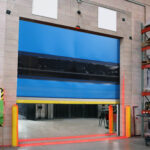
- Coolers
Quick opening speeds & tight seals for temperature control.
-
-
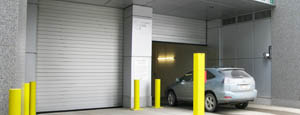
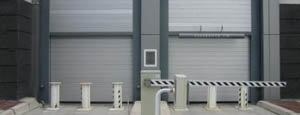
- Parking
Improve security & traffic flow and enhance architectural style.
-
-
- Hurricane Zone
Withstand winds up to 175 mph and comply with the Florida Building Code.
-
-
-
-
- USDA / FDA / cGMP
Increase productivity & address stringent USDA, FDA & cGMP requirements.
-
-
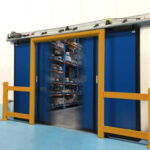
- Freezers
High-speed & perimeter seals minimize the air exchange between areas.
-
-
- Security
High speed & durability ensure secure access.
-
-
- Ventilation
Perforated or screen door panels allow improved air circulation.
-
-
-
-
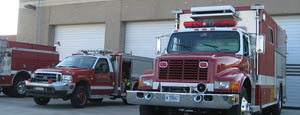
- Fire Station Emergency Response
When time is of the essence, high speed and reliability are crucial.
-
-
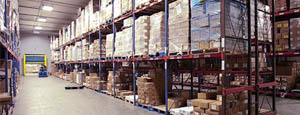
- Warehousing
Fast cycle times and secure seals keep environments separated.
-
-
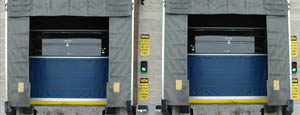
- Loading Dock
Rugged design & secure seal for oversized openings.
-
-
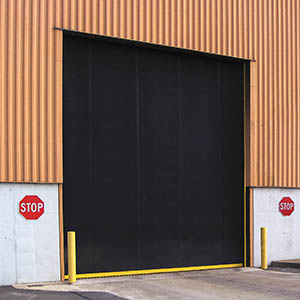
- Large Openings
Break-away functionality with rugged design seals oversized openings.
-
-
-
-
- Heavy Equipment
Withstands challenges of heavy equipment and fleet truck/car wash environments.
-
-
- Self-Storage
Fast opening speeds and reliable, durable construction keep facilities secure and protected.
-
-
- Industries
-
-
-
- Automotive Dealerships
Reduce energy costs, increase productivity and comfort and enhance customer perception.
-
-
- Cold Storage & Processing
Increase productivity and operational efficiency while reducing energy and maintenance costs.
-
-
- Parking
We offer solutions for Apartment / Condo & Loft, Standalone Parking Facilities and Office Buildings
-
-
-
-
- Food & Beverage
Doors specifically engineered for USDA/FDA and cGMP environments, and assured compliance for uncompromising performance.
-
-
- Mfg/Dist/Warehousing
A complete product line allows facilities to increase efficiency and safety and reduce maintenance and energy costs.
-
-
- Government
Ensure effective security and environmental controls are maintained for critical government operations.
-
-
-
-
- Transit
Keep operations running smoothly and efficient while reducing energy and maintenance costs.
-
-
- Pharma, Nutraceutical & Biotech
Doors that offer quick, secure access, environmental control and reliability for life science facilities.
-
-
- Support Resources
- Parts
- Contact Us
- Blog/News
- Why Rytec
- Sales Rep Locator
- Careers
- Dealers
- Architectural Resources
















2026 Best Types of Conveyor Equipment for Global Buyers
Choosing the right conveyor system can shape a facility’s safety, output, and long-term operating cost. For global buyers, the decision involves more than comparing belt widths or motor ratings. Material type, product weight, route length, climate, cleaning routines, and available floor space all matter. A dusty quarry needs different equipment from a pharmaceutical packing line. Small details often decide performance.
This guide examines the best types of Conveyors Equipment for 2026, including belt, roller, chain, screw, slat, bucket, and modular conveyor systems. Each option has practical strengths and limits. Belt conveyors suit continuous movement across long distances. Roller conveyors support cartons and pallets efficiently. Screw conveyors handle powders, but product friction and heat require careful evaluation. These differences should be matched with real production conditions, not attractive catalogue images.
Reliable purchasing also depends on supplier experience and documented evidence. Buyers should review load calculations, motor efficiency, guarding design, spare-parts access, installation support, and maintenance records. Compliance with applicable safety standards must be confirmed for each destination market. A low purchase price may hide costly downtime later. It happens more often than expected.
No single conveyor design fits every facility. Even a well-researched selection can need adjustment after installation. Site trials, operator feedback, and transparent performance data remain valuable. The following overview helps purchasing teams compare equipment with greater confidence, while recognizing that practical results depend on sound engineering and honest supplier communication.
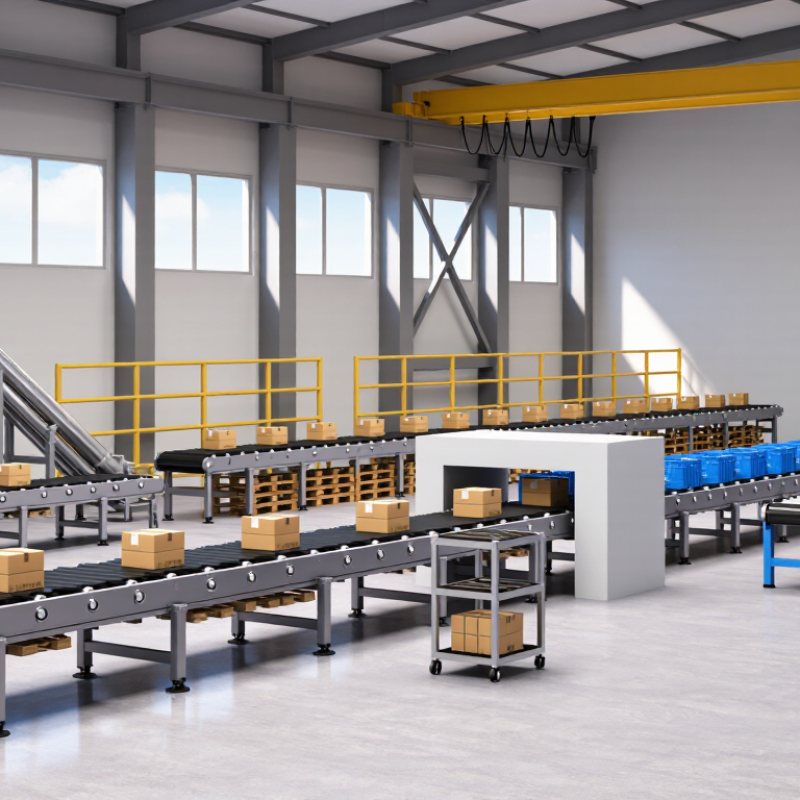
Table of Contents [Hide]
Conveyor Equipment: Definition, Purpose, and Main Operating Principles
Conveyor equipment is a mechanical system that moves materials between defined points with controlled effort. It may use belts, rollers, chains, or screws, depending on the load and route. Unlike manual handling, it creates a repeatable flow through warehouses, factories, mines, and distribution centers.
Its purpose is practical: reduce lifting, improve movement speed, and maintain steady production. A typical system includes a frame, conveying surface, drive unit, tensioning parts, and safety controls. The drive motor produces torque. Power then reaches the belt or rollers through pulleys, gears, or chains. Friction carries the material forward. Gravity may assist movement on inclined sections.
Operating principles depend on accurate matching. A heavy carton needs stronger support and suitable roller spacing. Loose powder requires sealed transfer points and controlled speed. Sensors can detect gaps, jams, or misplaced loads, while emergency stops help limit risks. In plant assessments, small details often decide performance. Dust near a drive pulley can increase wear. Poor alignment can make a belt drift.
A conveyor may look efficient on paper. It may still fail during seasonal peaks. Designers should check load changes, cleaning access, noise, maintenance space, and operator visibility. One overlooked transfer point can slow an entire line. The best selection is not always the fastest system. It is the system that remains predictable, serviceable, and suitable for real working conditions.