
- High-Performance Doors
-
- Applications
-
-
-
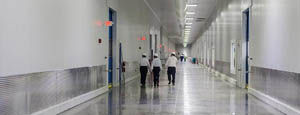
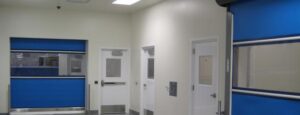
- Clean Room
Stainless steel or composite materials help maintain clean rooms.
-
-
- Coolers
Quick opening speeds & tight seals for temperature control.
-
-
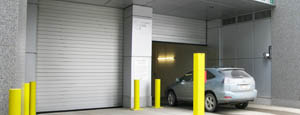
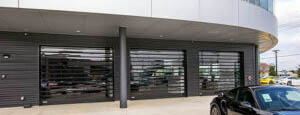
- Parking
Improve security & traffic flow and enhance architectural style.
-
-
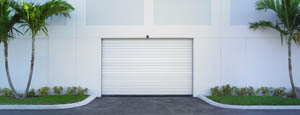
- Hurricane Zone
Withstand winds up to 175 mph and comply with the Florida Building Code.
-
-
-
-
- USDA / FDA / cGMP
Increase productivity & address stringent USDA, FDA & cGMP requirements.
-
-
- Freezers
High-speed & perimeter seals minimize the air exchange between areas.
-
-
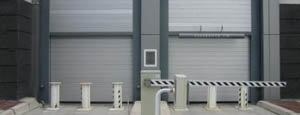
- Security
High speed & durability ensure secure access.
-
-
- Ventilation
Perforated or screen door panels allow improved air circulation.
-
-
-
-
- Fire Station Emergency Response
When time is of the essence, high speed and reliability are crucial.
-
-
- Warehousing
Fast cycle times and secure seals keep environments separated.
-
-
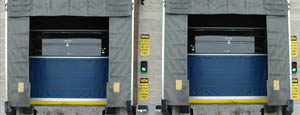
- Loading Dock
Rugged design & secure seal for oversized openings.
-
-
- Large Openings
Break-away functionality with rugged design seals oversized openings.
-
-
-
-
- Heavy Equipment
Withstands challenges of heavy equipment and fleet truck/car wash environments.
-
-
- Self-Storage
Fast opening speeds and reliable, durable construction keep facilities secure and protected.
-
-
- Industries
-
-
-
- Automotive Dealerships
Reduce energy costs, increase productivity and comfort and enhance customer perception.
-
-
- Cold Storage & Processing
Increase productivity and operational efficiency while reducing energy and maintenance costs.
-
-
- Parking
We offer solutions for Apartment / Condo & Loft, Standalone Parking Facilities and Office Buildings
-
-
-
-
- Food & Beverage
Doors specifically engineered for USDA/FDA and cGMP environments, and assured compliance for uncompromising performance.
-
-
- Mfg/Dist/Warehousing
A complete product line allows facilities to increase efficiency and safety and reduce maintenance and energy costs.
-
-
- Government
Ensure effective security and environmental controls are maintained for critical government operations.
-
-
-
-
- Transit
Keep operations running smoothly and efficient while reducing energy and maintenance costs.
-
-
- Pharma, Nutraceutical & Biotech
Doors that offer quick, secure access, environmental control and reliability for life science facilities.
-
-
- Support Resources
- Parts
- Contact Us
- Blog/News
- Why Rytec
- Sales Rep Locator
- Careers
- Dealers
- Architectural Resources














2026 Top Bifold Sliding Doors Trends for Global Buyers?
The trend of bifold sliding doors is reshaping modern architecture and design. In 2026, global buyers are eager to understand what features and styles are emerging. These doors not only enhance aesthetics but also improve functionality in homes and businesses.
With an increasing focus on open spaces, bifold sliding doors offer seamless transitions between indoor and outdoor areas. Many homeowners seek these solutions for their versatility and elegance. Different materials and finishes cater to diverse tastes, making them a popular choice.
However, selecting the right bifold sliding doors can be challenging. Buyers often struggle with ensuring durability and energy efficiency. Researching suppliers and options is crucial for making informed decisions. Staying updated on trends can lead to poor selections if not done carefully. Understanding these elements is vital for creating beautiful, functional spaces that meet practical needs.
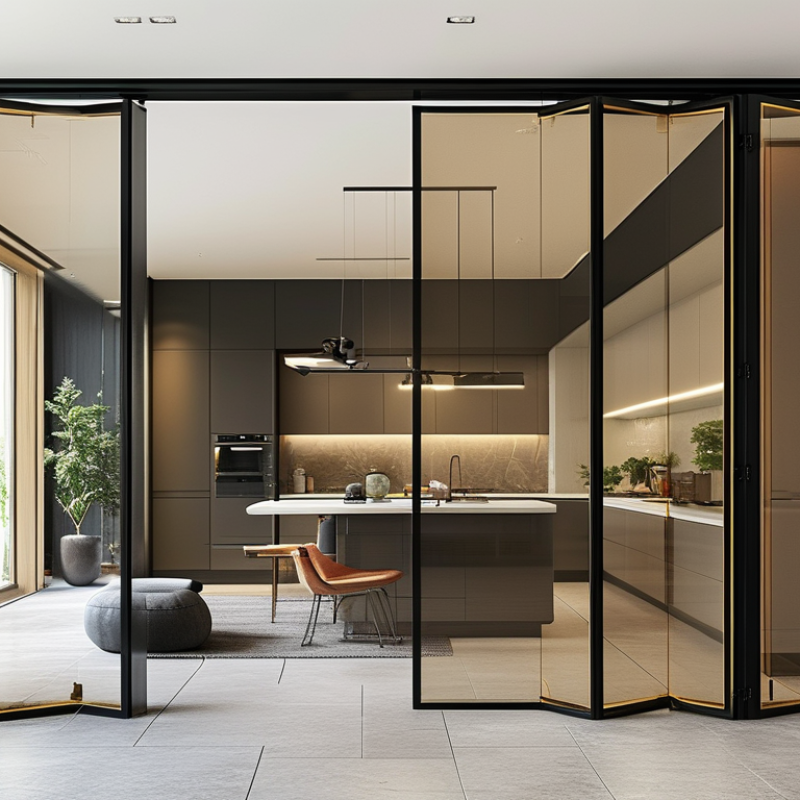
Table of Contents
[Hide]
Emerging Materials in Bifold Sliding Doors for 2026
The evolution of bifold sliding doors is driven by innovative materials that blend functionality and aesthetics. For 2026, we are seeing a shift towards eco-friendly options. Materials like reclaimed wood and aluminum with thermal breaks are becoming increasingly popular. These materials not only offer durability but also enhance energy efficiency. Homeowners are keen on reducing their carbon footprints.
Another trend is the use of glass with advanced coatings. These coatings improve insulation while allowing natural light to flood indoor spaces. Some designs incorporate smart glass technology, enabling users to adjust transparency with a simple touch. While these options are cutting-edge, they come with a price tag that may provoke hesitation among buyers.
Additionally, composite materials are gaining traction. They combine the best of wood and synthetic materials, providing strength and resistance to weather elements. However, the challenge lies in balancing aesthetics with maintenance. These emerging trends signal a transformative phase in the bifold sliding door market, making it vital for manufacturers and buyers to remain informed and adaptable.
Related Posts
-
Why Choose Bifold Sliding Doors for Your Home Enhancement?
-
How to Choose the Best Bifold Sliding Doors for Your Home?
-
How to Choose Bifold Sliding Doors for Your Home?
-
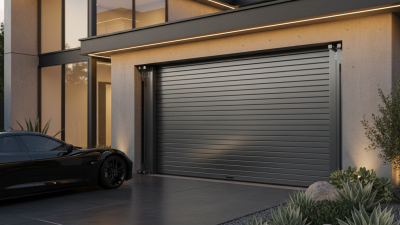
Best Roll Down Garage Doors for Maximum Security and Style?
-

2025 Top Roll Up Door Trends and Innovations You Need to Know
-
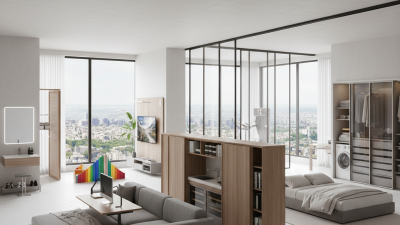
2025 Top 10 Innovative Slide and Fold Products Transforming Your Space