
- High-Performance Doors
-
- Applications
-
-
-
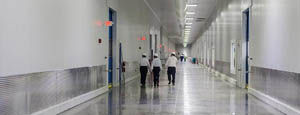
- Clean Room
Stainless steel or composite materials help maintain clean rooms.
-
-
- Coolers
Quick opening speeds & tight seals for temperature control.
-
-
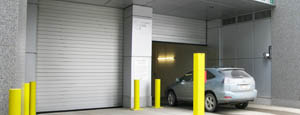
- Parking
Improve security & traffic flow and enhance architectural style.
-
-
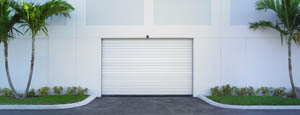
- Hurricane Zone
Withstand winds up to 175 mph and comply with the Florida Building Code.
-
-
-
-
- USDA / FDA / cGMP
Increase productivity & address stringent USDA, FDA & cGMP requirements.
-
-
- Freezers
High-speed & perimeter seals minimize the air exchange between areas.
-
-
- Security
High speed & durability ensure secure access.
-
-
- Ventilation
Perforated or screen door panels allow improved air circulation.
-
-
-
-
- Fire Station Emergency Response
When time is of the essence, high speed and reliability are crucial.
-
-
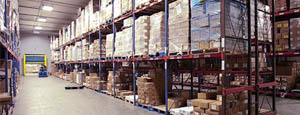
- Warehousing
Fast cycle times and secure seals keep environments separated.
-
-
- Loading Dock
Rugged design & secure seal for oversized openings.
-
-
- Large Openings
Break-away functionality with rugged design seals oversized openings.
-
-
-
-
- Heavy Equipment
Withstands challenges of heavy equipment and fleet truck/car wash environments.
-
-
- Self-Storage
Fast opening speeds and reliable, durable construction keep facilities secure and protected.
-
-
- Industries
-
-
-
- Automotive Dealerships
Reduce energy costs, increase productivity and comfort and enhance customer perception.
-
-
- Cold Storage & Processing
Increase productivity and operational efficiency while reducing energy and maintenance costs.
-
-
- Parking
We offer solutions for Apartment / Condo & Loft, Standalone Parking Facilities and Office Buildings
-
-
-
-
- Food & Beverage
Doors specifically engineered for USDA/FDA and cGMP environments, and assured compliance for uncompromising performance.
-
-
- Mfg/Dist/Warehousing
A complete product line allows facilities to increase efficiency and safety and reduce maintenance and energy costs.
-
-
- Government
Ensure effective security and environmental controls are maintained for critical government operations.
-
-
-
-
- Transit
Keep operations running smoothly and efficient while reducing energy and maintenance costs.
-
-
- Pharma, Nutraceutical & Biotech
Doors that offer quick, secure access, environmental control and reliability for life science facilities.
-
-
- Support Resources
- Parts
- Contact Us
- Blog/News
- Why Rytec
- Sales Rep Locator
- Careers
- Dealers
- Architectural Resources











10 Best Biosafety Isolators for Global Buyers?
Selecting the right Biosafety Isolator requires more than comparing stainless-steel finishes or quoted prices. Global buyers must examine containment performance, pressure control, filtration, decontamination, ergonomics, validation support, and lifecycle costs. A small glove-port leak can compromise an entire workflow. That detail matters.
The World Health Organization’s Laboratory Biosafety Manual, fourth edition, emphasizes risk assessment as the foundation of safe laboratory design. The CDC and NIH Biosafety in Microbiological and Biomedical Laboratories, sixth edition, also stresses engineering controls, documented procedures, and trained personnel. ISO 14644-1 provides internationally recognized principles for cleanroom air classification. These references help frame the evaluation criteria behind this guide. Market analyses from Grand View Research and Fortune Business Insights also indicate steady growth in biosafety and containment equipment, driven by pharmaceutical manufacturing, advanced research, and diagnostic capacity expansion.
Still, no ranking fits every facility. A high-containment isolator may be excessive for one application and inadequate for another. Buyer expectations can also be unrealistic. Lower purchase prices may conceal expensive filter changes, validation delays, or limited local service. This guide reviews ten leading Biosafety Isolator options for global buyers, focusing on practical evidence rather than attractive brochures. Each model should be assessed against its intended risk profile, material transfer needs, cleaning routine, operator comfort, and regional support network. Ask difficult questions. Request test records. Verify claims independently. The final choice should protect people, products, and processes without creating unnecessary complexity.
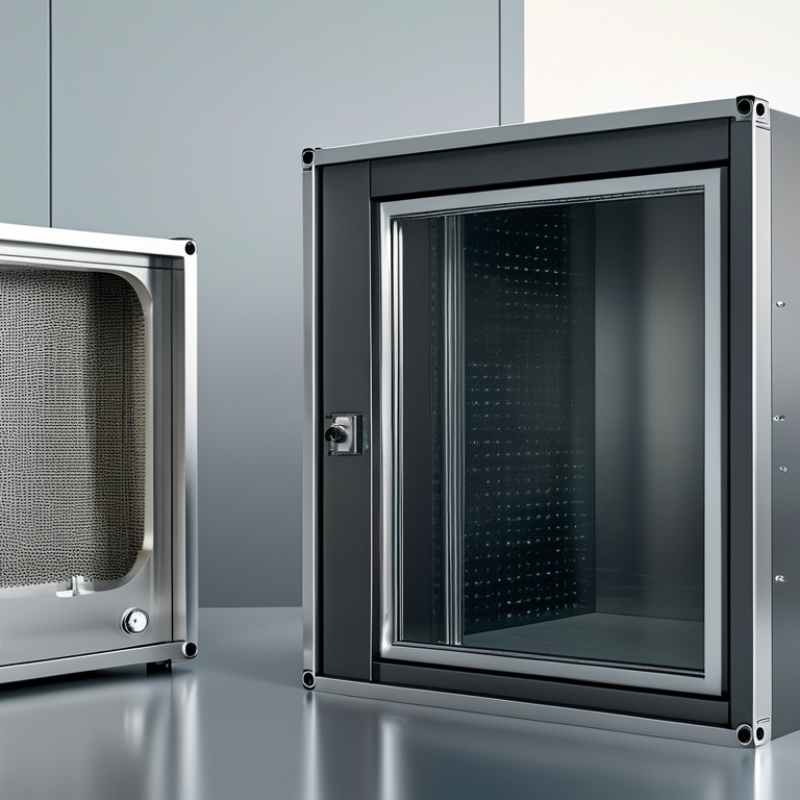
Table of Contents [Hide]
What Are Biosafety Isolators and How Do They Work?
A biosafety isolator is an enclosed workspace that separates operators, products, and laboratory surroundings. It uses rigid walls, sealed gloves, controlled airflow, and high-efficiency particulate air filtration. Unlike an open biological safety cabinet, the isolator limits direct hand access. Operators work through glove ports while observing materials through a transparent panel.
Airflow design determines its protection level. Negative pressure helps prevent hazardous aerosols from escaping. Positive pressure can protect sensitive materials from room contamination, but it requires stronger leak control. Supply air passes through filters, while exhaust air receives additional filtration before release. Transfer chambers reduce contamination during material movement. Interlocks prevent both doors from opening together.
ISO 14644-1:2015 identifies 3,520 particles per cubic metre at 0.5 micrometres for ISO Class 5 air. ISO Class 7 permits 352,000 particles at the same size. These figures support cleanroom qualification, not automatic biological safety. The CDC and NIH BMBL, 6th edition, emphasize risk assessment before selecting containment equipment.
In practice, qualification includes airflow checks, filter integrity testing, pressure monitoring, and glove leak testing. Alarms matter.
“Sealed” is not absolute.
A damaged glove, poor transfer habit, or skipped maintenance can defeat excellent engineering. Users should verify recovery time, decontamination compatibility, and documented test results before purchase. I would also question impressive specifications without independent validation. Biosafety depends on equipment, procedures, training, and disciplined daily behavior.