
- High-Performance Doors
-
- Applications
-
-
-
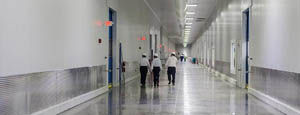
- Clean Room
Stainless steel or composite materials help maintain clean rooms.
-
-
- Coolers
Quick opening speeds & tight seals for temperature control.
-
-
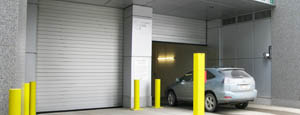
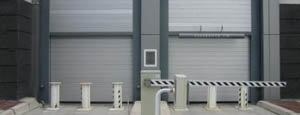
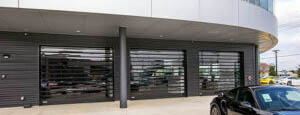
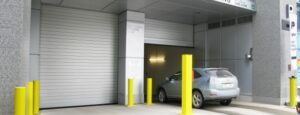
- Parking
Improve security & traffic flow and enhance architectural style.
-
-
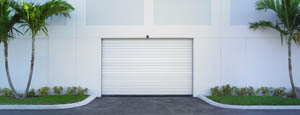
- Hurricane Zone
Withstand winds up to 175 mph and comply with the Florida Building Code.
-
-
-
-
- USDA / FDA / cGMP
Increase productivity & address stringent USDA, FDA & cGMP requirements.
-
-
- Freezers
High-speed & perimeter seals minimize the air exchange between areas.
-
-
- Security
High speed & durability ensure secure access.
-
-
- Ventilation
Perforated or screen door panels allow improved air circulation.
-
-
-
-
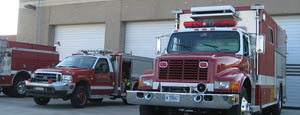
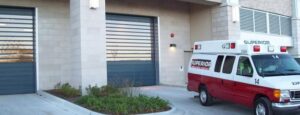
- Fire Station Emergency Response
When time is of the essence, high speed and reliability are crucial.
-
-
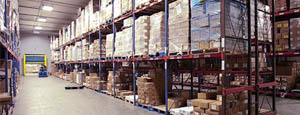
- Warehousing
Fast cycle times and secure seals keep environments separated.
-
-
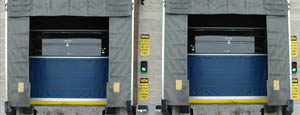
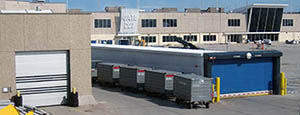
- Loading Dock
Rugged design & secure seal for oversized openings.
-
-
- Large Openings
Break-away functionality with rugged design seals oversized openings.
-
-
-
-
- Heavy Equipment
Withstands challenges of heavy equipment and fleet truck/car wash environments.
-
-
- Self-Storage
Fast opening speeds and reliable, durable construction keep facilities secure and protected.
-
-
- Industries
-
-
-
- Automotive Dealerships
Reduce energy costs, increase productivity and comfort and enhance customer perception.
-
-
- Cold Storage & Processing
Increase productivity and operational efficiency while reducing energy and maintenance costs.
-
-
- Parking
We offer solutions for Apartment / Condo & Loft, Standalone Parking Facilities and Office Buildings
-
-
-
-
- Food & Beverage
Doors specifically engineered for USDA/FDA and cGMP environments, and assured compliance for uncompromising performance.
-
-
- Mfg/Dist/Warehousing
A complete product line allows facilities to increase efficiency and safety and reduce maintenance and energy costs.
-
-
- Government
Ensure effective security and environmental controls are maintained for critical government operations.
-
-
-
-
- Transit
Keep operations running smoothly and efficient while reducing energy and maintenance costs.
-
-
- Pharma, Nutraceutical & Biotech
Doors that offer quick, secure access, environmental control and reliability for life science facilities.
-
-
- Support Resources
- Parts
- Contact Us
- Blog/News
- Why Rytec
- Sales Rep Locator
- Careers
- Dealers
- Architectural Resources
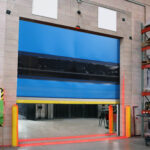

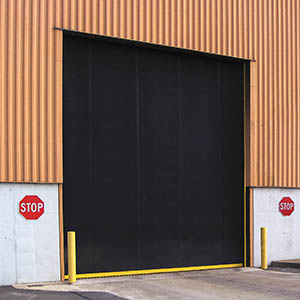
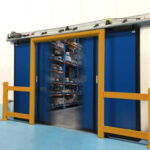








Top Canvas Awnings for Global Buyers?
Choosing the top Canvas Awnings for global buyers requires more than comparing photographs and headline prices. A showroom sample may look impressive, yet fail under strong sun, coastal salt, or repeated rain. Buyers need evidence about fabric density, acrylic treatment, stitching quality, frame strength, and installation support.
Industry consultant Martin Hale says, “A reliable awning begins with honest material information, not attractive promises.” That principle matters when suppliers operate across different climates and standards. A canopy suited to a dry Mediterranean terrace may perform differently in humid Southeast Asia. Wind exposure, drainage, UV intensity, and seasonal maintenance all deserve attention.
Look closely at the details. Is the fabric solution-dyed, or merely surface-coated? Are seams reinforced at the corners? Does the frame resist corrosion near the sea? Can replacement covers be ordered five years later? These questions reveal practical experience.
Price alone misleads.
A lower quotation may exclude freight, mounting hardware, duties, or professional installation. A higher quotation may reflect stronger fabric, better warranties, and tested components. Still, expensive does not always mean superior. That assumption needs questioning.
This guide compares leading Canvas Awnings through performance, durability, design flexibility, supplier reliability, and ownership value. It considers residential patios, hospitality terraces, retail storefronts, and commercial outdoor areas. The goal is not to declare one universal winner. No single awning fits every market.
Instead, global buyers can identify the most suitable option for their weather, building structure, budget, and maintenance capacity. Evidence matters. So does local judgment.
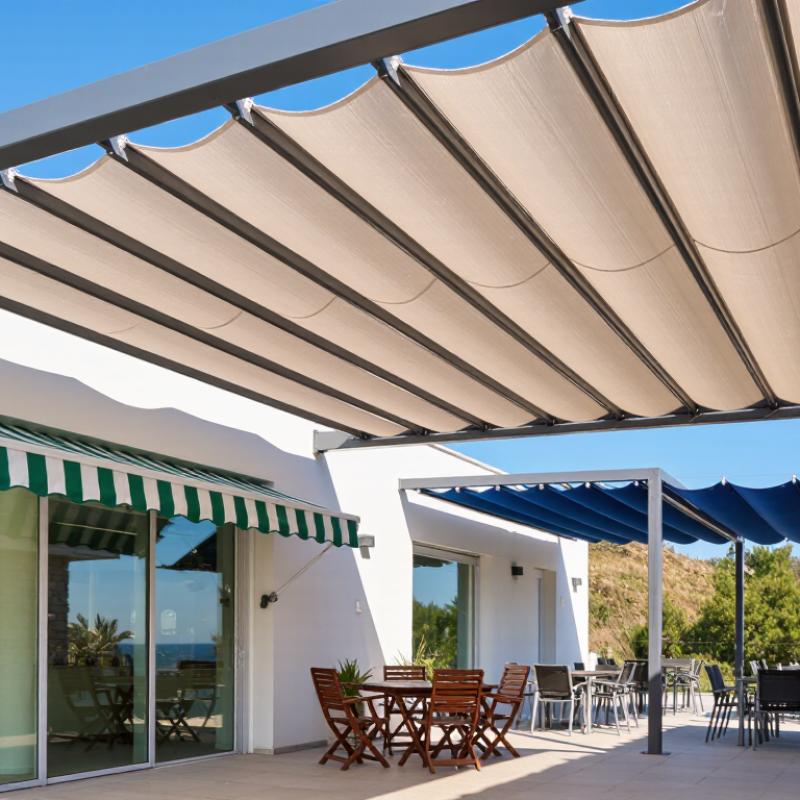
Table of Contents [Hide]
What Are Canvas Awnings and How Do They Work?
A canvas awning is a fabric-covered structure fixed above a window, door, patio, or shopfront. “Canvas” may mean woven acrylic, polyester, or coated fabric, not only traditional cotton. The fabric stretches across arms and a front bar, creating shade before sunlight reaches the glass. Retractable models use hinged joints or rolling tubes, while fixed models rely on a permanent metal frame. The angle matters. A steeper projection blocks more low winter sun but may collect rain and wind.
The U.S. Department of Energy’s Energy Saver guidance reports that awnings can reduce solar heat gain by up to 65% on south-facing windows and 77% on west-facing windows. That performance depends on fabric openness, color, projection, window orientation, and local weather. Darker fabrics may absorb more heat, although reflective coatings can change the result. Fabric alone does not guarantee comfort.
It is a practical system.
For global buyers, measured projection and wind exposure deserve careful attention. A coastal balcony, for example, needs corrosion-resistant hardware and frequent fabric inspection. Moisture trapped after rain can encourage mildew, especially when ventilation is poor. The Professional Awning Manufacturers Association and ASTM testing practices also distinguish fabric strength, water resistance, and colorfastness; these properties should not be treated as identical. I would ask for test methods, warranty conditions, and maintenance instructions, not just a fabric weight. Even published energy savings remain estimates, because nearby buildings, glass type, and user habits can alter real performance.