
- High-Performance Doors
-
- Applications
-
-
-
- Clean Room
Stainless steel or composite materials help maintain clean rooms.
-
-
- Coolers
Quick opening speeds & tight seals for temperature control.
-
-
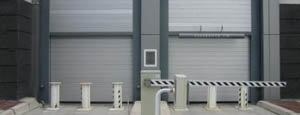
- Parking
Improve security & traffic flow and enhance architectural style.
-
-
- Hurricane Zone
Withstand winds up to 175 mph and comply with the Florida Building Code.
-
-
-
-
- USDA / FDA / cGMP
Increase productivity & address stringent USDA, FDA & cGMP requirements.
-
-
- Freezers
High-speed & perimeter seals minimize the air exchange between areas.
-
-
- Security
High speed & durability ensure secure access.
-
-
- Ventilation
Perforated or screen door panels allow improved air circulation.
-
-
-
-
- Fire Station Emergency Response
When time is of the essence, high speed and reliability are crucial.
-
-
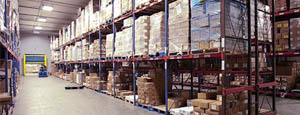
- Warehousing
Fast cycle times and secure seals keep environments separated.
-
-
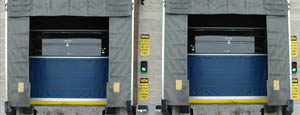
- Loading Dock
Rugged design & secure seal for oversized openings.
-
-
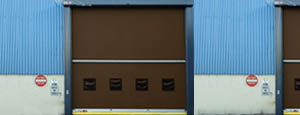
- Large Openings
Break-away functionality with rugged design seals oversized openings.
-
-
-
-
- Heavy Equipment
Withstands challenges of heavy equipment and fleet truck/car wash environments.
-
-
- Self-Storage
Fast opening speeds and reliable, durable construction keep facilities secure and protected.
-
-
- Industries
-
-
-
- Automotive Dealerships
Reduce energy costs, increase productivity and comfort and enhance customer perception.
-
-
- Cold Storage & Processing
Increase productivity and operational efficiency while reducing energy and maintenance costs.
-
-
- Parking
We offer solutions for Apartment / Condo & Loft, Standalone Parking Facilities and Office Buildings
-
-
-
-
- Food & Beverage
Doors specifically engineered for USDA/FDA and cGMP environments, and assured compliance for uncompromising performance.
-
-
- Mfg/Dist/Warehousing
A complete product line allows facilities to increase efficiency and safety and reduce maintenance and energy costs.
-
-
- Government
Ensure effective security and environmental controls are maintained for critical government operations.
-
-
-
-
- Transit
Keep operations running smoothly and efficient while reducing energy and maintenance costs.
-
-
- Pharma, Nutraceutical & Biotech
Doors that offer quick, secure access, environmental control and reliability for life science facilities.
-
-
- Support Resources
- Parts
- Contact Us
- Blog/News
- Why Rytec
- Sales Rep Locator
- Careers
- Dealers
- Architectural Resources

















China Best Storm Window Manufacturer for Global Buyers
Choosing a China Storm Window manufacturer requires more than comparing prices on a product page. Global buyers need evidence of manufacturing experience, material control, testing practices, and dependable communication. A capable supplier should explain frame options, glass thickness, low-E coatings, drainage paths, weatherstripping, and hardware performance in clear technical language. Product samples matter. A small sample can reveal corner finishing, seal compression, coating consistency, and installation accuracy better than polished photographs.
This guide examines how international buyers can evaluate Chinese manufacturers for residential, commercial, and renovation projects. It considers factory capability, customization, quality inspection, packaging, production schedules, and after-sales support. Buyers should request drawings, test reports, sample approvals, and references from comparable projects. Certifications can support credibility, but they should be verified for the exact product and market. Standards also vary by country. One checklist cannot fit every building climate or installation method.
Details reveal reliability.
Experienced manufacturers usually identify risks before production begins. They may ask about wind exposure, opening sizes, coastal humidity, thermal goals, and shipping conditions. However, no factory is perfect. A large catalog does not guarantee consistent quality, and a low quotation may exclude testing, tooling, or protective packaging. Honest evaluation includes these weaknesses. The best partnership develops through documented specifications, measurable inspections, realistic lead times, and responsive problem solving. For global buyers, the right Storm Window supplier is not simply the cheapest option. It is the manufacturer that can repeatedly deliver suitable products, clear records, and practical support.
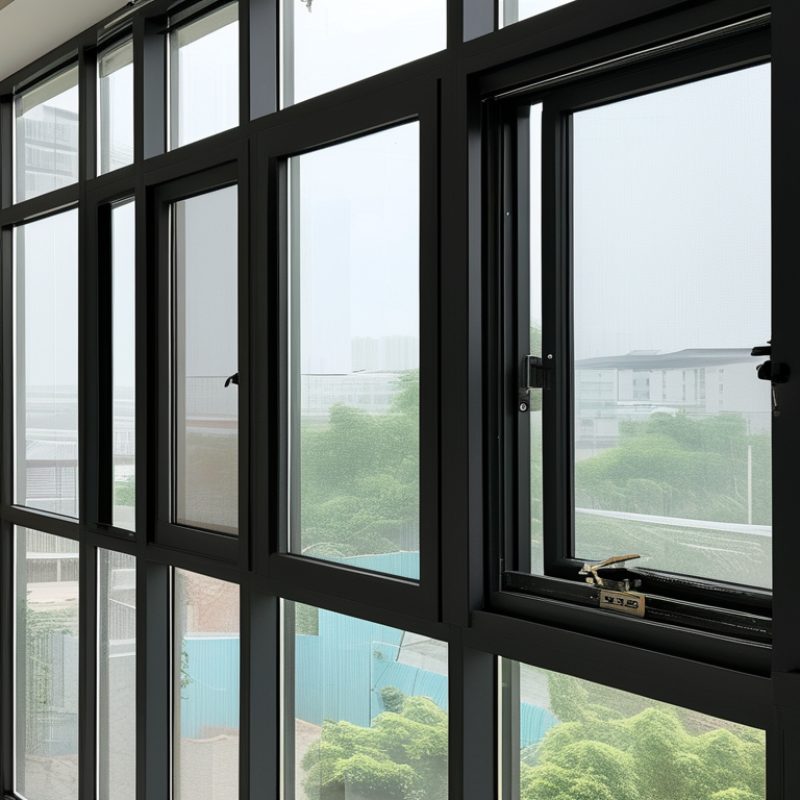
Table of Contents [Hide]
Storm Windows: Definition, Functions, and Key Product Types
Storm Windows: Definition, Functions, and Key Product Types
Storm windows are secondary window panels installed outside, inside, or between existing glass layers. They create an additional air space around the primary window. This space can reduce heat transfer, outside noise, drafts, and water penetration. In coastal regions, properly fitted storm windows may also help protect against wind-driven rain and flying debris. However, they are not a replacement for certified impact-resistant systems in severe weather zones.
Common types include exterior storm windows, interior storm windows, and temporary removable panels. Exterior models usually use aluminum, vinyl, or durable composite frames. Interior panels are often lighter and easier to install without changing the building’s exterior.
Fixed systems suit long-term insulation needs, while removable designs support seasonal use. Some products include low-emissivity glass, screens, drainage channels, or adjustable fasteners.
Details matter.
During product evaluation, global buyers should check frame strength, glass thickness, gasket quality, drainage design, and air-leakage performance. Accurate measurements are essential because a small gap can weaken insulation and allow rattling during strong winds.
A capable manufacturer should provide clear drawings, test data, packaging standards, and installation guidance. Factory experience also matters when products must match different window sizes and climate conditions.
No storm window solves every problem. Even well-designed units may perform poorly when the original frame is damaged, installation is rushed, or maintenance is ignored.