7 Best Hurricane Proof Garage Doors for 2026?

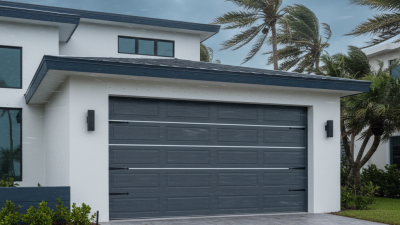
Hurricane proof garage doors are becoming a serious planning priority, not a luxury upgrade. A garage opening can measure 16 feet wide, leaving a large exposed surface during extreme winds. If that door fails, wind and rain may enter the garage, increase internal pressure, and damage the connected living space.

The National Oceanic and Atmospheric Administration recorded 18 named storms, 11 hurricanes, and five major hurricanes during the 2024 Atlantic season. FEMA guidance also identifies garage doors as vulnerable openings requiring wind-rated protection, proper anchoring, and professional installation. These figures do not predict every 2026 storm. They do show why homeowners should inspect more than appearance.

Wind engineer Dr. David Prevatt has described the garage door as “often the weakest link in the building envelope.” That warning deserves attention. Still, “hurricane-proof” is not absolute. A better term is hurricane-rated, because every door has tested limits. Some models resist higher wind pressures, flying debris, and repeated loading. Others only look heavy.

This guide compares seven hurricane proof garage doors for 2026. We examine wind ratings, impact resistance, reinforcement systems, track design, seals, warranties, and installation requirements. Details matter. A door may carry a strong label but fail with weak anchors or unsuitable tracks. That is the uncomfortable part. The product alone cannot guarantee safety.

Homeowners should verify local wind-load requirements, coastal exposure, and certification records before purchasing. A qualified installer should confirm the complete assembly, not only the door panel. Small gaps, loose bolts, and corroded hardware can become major problems during a storm. Expecting perfection would be unrealistic. Choosing tested protection is still a sensible step.
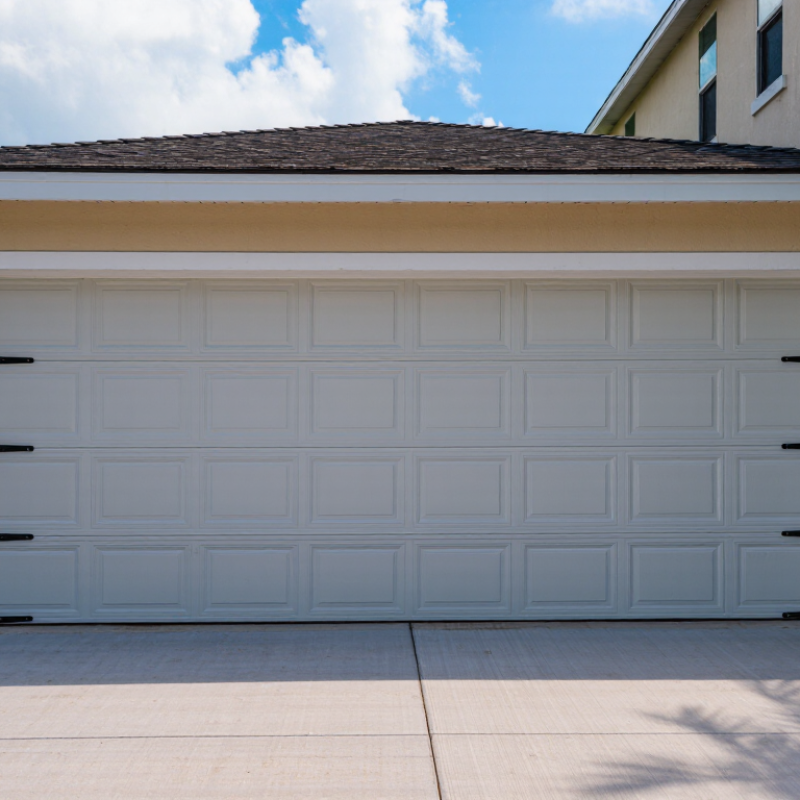
7 Best Hurricane Proof Garage Doors for 2026?

What Makes a Garage Door Hurricane-Proof in 2026

What makes a garage door hurricane-proof in 2026? It starts with a verified wind-load rating, not marketing language. A strong door uses reinforced panels, heavy-duty tracks, secure hinges, and braced mounting points. These parts must work together when wind pressure changes suddenly. A door may look solid yet fail at its edges.

Impact-resistant windows can reduce the risk of shattered glass and flying debris. Reliable locking systems also matter. Some modern doors use stronger end stiles and multiple locking points to limit panel movement. During inspections, I look closely at track connections and anchor bolts. Small gaps often reveal bigger weaknesses.

Installation is just as important as the door itself. The opening, wall structure, and fasteners must match the required regional wind rating. Local building requirements can differ sharply near coastlines. I once assumed a heavier door was automatically safer. That was a mistake. Weight alone cannot replace tested design and correct installation.

A qualified installer should provide documentation for wind-load testing and explain maintenance needs. Check rollers, cables, seals, and fasteners before storm season. Replace damaged parts promptly. Even a certified door cannot guarantee protection against every hurricane. Poor maintenance, altered hardware, or an unsuitable garage frame can reduce its performance.

Key Hurricane-Rated Standards and Safety Features

7 Best Hurricane Proof Garage Doors for 2026?

A hurricane-rated garage door should match your region’s required wind-load pressure, measured in pounds per square foot. The rating must cover the complete system, including panels, tracks, hinges, rollers, locks, and mounting hardware. Look for tested compliance with recognized standards such as ASTM E1886 and ASTM E1996 for impact resistance. Some coastal areas may also require regional testing, including Miami-Dade TAS procedures or Florida building requirements. Always verify the current local code before purchasing.

Impact-resistant panels can help stop windborne debris from breaking through the garage opening. Reinforced vertical tracks, heavy-duty hinges, and automatic deadbolts improve resistance during pressure changes. Wind-rated windows should include tested impact glazing, not ordinary glass. Water resistance also matters, especially around the bottom seal and side jambs. In practice, a door may carry an impressive label but still fail because installers used weak anchors. That detail is easy to miss.

Tips: Ask for the complete test report, not only a marketing claim. Confirm the approved wind zone, pressure rating, and installation method. Inspect the door annually for loose fasteners, bent tracks, worn rollers, and cracked seals. Do not open the garage door during severe winds. A backup battery is useful, but it cannot replace manual inspection. I would also photograph the installation for future reference. Small oversights can become expensive problems.

Seven Best Hurricane-Proof Garage Door Options for 2026

Seven Best Hurricane-Proof Garage Door Options for 2026

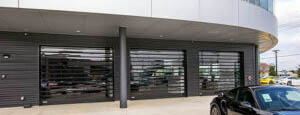
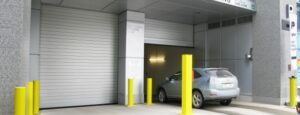
A reliable hurricane-resistant garage door must match your local wind-load requirements. Reinforced steel sectional doors offer strong panels and dependable track systems. Insulated steel sectional doors add thermal control and reduce panel flexing. Rolling steel doors save ceiling space and provide a compact, commercial-style barrier. Impact-rated full-view doors use tested panels for homes needing natural light. Glass can still fail if the frame is weak.

Custom wind-rated sectional doors suit unusual openings or coastal exposure. Composite or fiberglass doors provide a lighter, corrosion-resistant alternative to traditional steel. Side-sliding wind-rated doors work well when ceiling clearance is limited. Each option should include documented testing, rated hardware, reinforced tracks, and an approved locking system. Decorative appearance matters, but structural performance matters more.

Tips: Measure the opening carefully, including jamb depth and ceiling clearance. Ask for the design pressure rating, installation details, and maintenance schedule. Have a qualified installer inspect the surrounding wall, not only the door. A strong door cannot protect a weak garage opening. Also, avoid assuming “hurricane-proof” means indestructible. No door is perfect. I would reconsider any product with vague certification, thin tracks, or unclear replacement-part support. Regularly check rollers, hinges, seals, and fasteners before storm season.

How to Choose the Right Hurricane-Resistant Garage Door

Choosing among the seven best hurricane-proof garage doors for 2026 starts with the wind-load rating. This rating should match your local building requirements, not a general marketing claim. Ask for documented test results and approval records. A door may look heavy, yet its tracks or fasteners may remain weak.

Impact resistance also deserves close attention. Look for reinforced panels, strong hinges, dependable rollers, and a continuous anchoring system. The door must stay connected to the wall during pressure changes. Measure twice. Small installation gaps can create serious failure points. Ask a qualified installer to inspect the garage framing before ordering. An excellent door cannot compensate for damaged concrete or poorly supported studs.

Consider daily use as well as storm protection. Manual release systems, backup power, corrosion-resistant hardware, and reliable weather seals can matter after a blackout. Check whether replacement parts remain available and whether maintenance instructions are clear. A professional should explain inspection intervals, fastener checks, and seal replacement. Do not choose only by thickness or price. Those details can mislead. I would compare the tested assembly, installation method, service record, and written coverage together. No selection is perfect, and even a certified system needs proper upkeep before the next storm.

7 Best Hurricane Proof Garage Doors for 2026? - How to Choose the Right Hurricane-Resistant Garage Door
Rank Recommended Door Configuration Typical Construction Common Wind-Load Capability Key Hurricane-Resistance Features Best Use Case Important Verification Before Purchase
1 Impact-Rated Insulated Sectional Door Multi-layer steel or aluminum panels with a bonded foam core, reinforced end stiles, and heavy-duty tracks. Approximately 130–180 mph design wind speeds, depending on size, exposure, and tested assembly. Impact-resistant panels, reinforced hinges, wind-lock hardware, upgraded rollers, and perimeter weather seals. Attached garages in coastal areas where energy efficiency, everyday convenience, and storm protection are all important. Confirm that the complete door assembly—not only the panel—is tested and approved for the required local wind pressure.
2 Miami-Dade-Approved Sectional Garage Door Engineered sectional construction with reinforced panels, heavy-gauge hardware, and tested anchorage details. Often available for high-wind zones; the exact pressure rating varies by model, dimensions, and approval listing. Large-missile impact testing, pressure cycling, reinforced tracks, wind-resistant end caps, and documented installation requirements. High-risk hurricane regions, especially locations that require a local product approval or Notice of Acceptance. Check the current local approval, approved width and height range, allowable design pressure, and installation drawings.
3 Impact-Rated Rolling Steel Garage Door Interlocking galvanized steel slats or insulated steel curtain with guides, bottom bar, and a reinforced barrel assembly. Commonly engineered from roughly 120–180 mph, but performance is highly dependent on opening size and guide design. Impact-resistant curtain, wind-lock guides, heavy-duty brackets, reinforced bottom bar, and optional manual override. Commercial-style residential garages, workshops, and openings where compact overhead storage is valuable. Verify wind-lock engagement, guide attachment, barrel support, and the maximum approved opening dimensions.
4 Wind-Rated Full-View Aluminum Door Aluminum frame with laminated or impact-rated glazing panels and reinforced perimeter framing. Typically designed for moderate-to-high wind zones; the rating depends on glazing, mullions, and door size. Impact-rated laminated glass or polycarbonate glazing, reinforced framing, heavy-duty hinges, and multi-point perimeter seals. Homes, garages, and mixed-use spaces where natural light and visibility are desired without sacrificing storm protection. Ask for the tested design pressure and impact classification of the complete glazed section, including replacement panels.
5 Reinforced Vertical-Lift Steel Door Heavy-duty steel sections or a steel curtain that travels vertically along reinforced tracks and remains above the opening. Can be engineered for severe wind zones when properly sized, braced, and anchored. Vertical wind locks, heavy-duty guides, structural bracing, reinforced jambs, and high-cycle hardware. Tall garages, workshops, and properties needing maximum overhead clearance or frequent commercial-style operation. Confirm structural requirements for the surrounding wall, jambs, header, guides, and ceiling-mounted operating equipment.
6 Impact-Rated Custom Wood-Composite Door Engineered composite or wood-faced panels combined with steel reinforcement, impact-resistant cores, and upgraded hardware. Available in selected wind-rated designs; ratings vary substantially by panel construction and opening size. Internal steel reinforcement, impact-resistant skins, wind-rated tracks, reinforced hinges, and replaceable weather seals. Design-focused homes where a wood appearance is preferred and a tested hurricane-resistant assembly is available. Do not rely on appearance alone; request test reports, approved dimensions, maintenance requirements, and installation details.
7 Standard Door with Certified Storm-Bracing System Existing or new sectional door supplemented with purpose-built vertical posts, horizontal braces, or removable reinforcement panels. Performance depends on the specific bracing system and the original door; it is not automatically hurricane-rated. Removable storm braces, reinforced attachment points, stronger tracks, emergency-release protection, and upgraded fasteners. Budget-conscious owners who need seasonal protection and whose existing door is compatible with a certified reinforcement system. Use only a system tested for the exact door model and opening size; confirm that braces are installed before storm conditions.

Installation, Maintenance, and Storm-Readiness Checklist

A hurricane-rated garage door protects more than vehicles; it helps shield the garage opening from wind pressure and flying debris. Installation matters as much as the door itself. Ask a qualified installer to verify the required wind-load rating, wall framing, track anchors, hinges, and reinforcement points. Local building requirements should guide every measurement. In storm-readiness inspections, small gaps around tracks often reveal larger installation problems. Measure twice.

Maintenance should begin before the forecast becomes urgent. Inspect springs, cables, rollers, hinges, seals, and fasteners for rust, bending, or unusual movement. Tighten only the hardware identified in the service instructions. Some components store dangerous tension and need professional attention. I once treated a noisy roller as a minor issue; it later showed uneven track wear. That mistake was avoidable. Lubricate approved moving parts, clear the tracks, and test the balance with the opener disconnected.

Use a written checklist each season. Confirm that reinforcement bars, braces, and locking points are secure. Test the door during calm weather, not during rising winds. Keep vehicles, tools, and loose patio items away from the opening. Check the manual-release mechanism, but never operate it while storm winds are active. Photograph damaged areas for your records. Replace worn weather seals before water begins pooling inside. If the door shakes, binds, or closes unevenly, stop using it and schedule an inspection. A decorative upgrade cannot replace structural reinforcement.

7 Best Hurricane-Proof Garage Doors for 2026

Storm-readiness reference: sustained wind-speed thresholds for selecting and preparing a reinforced garage door.

Hurricane-resistant garage doors should be selected according to the local building code, the property's design wind speed, and the door's tested wind-load rating. The thresholds shown use official tropical-cyclone wind-speed definitions: tropical depression begins below 39 mph, tropical storm begins at 39 mph, and hurricane categories begin at 74 mph. Always secure the door, inspect tracks and rollers, test the locking system, and remove loose objects before a storm.