
- High-Performance Doors
-
- Applications
-
-
-
- Clean Room
Stainless steel or composite materials help maintain clean rooms.
-
-
- Coolers
Quick opening speeds & tight seals for temperature control.
-
-
- Parking
Improve security & traffic flow and enhance architectural style.
-
-
- Hurricane Zone
Withstand winds up to 175 mph and comply with the Florida Building Code.
-
-
-
-
- USDA / FDA / cGMP
Increase productivity & address stringent USDA, FDA & cGMP requirements.
-
-
- Freezers
High-speed & perimeter seals minimize the air exchange between areas.
-
-
- Security
High speed & durability ensure secure access.
-
-
- Ventilation
Perforated or screen door panels allow improved air circulation.
-
-
-
-
- Fire Station Emergency Response
When time is of the essence, high speed and reliability are crucial.
-
-
- Warehousing
Fast cycle times and secure seals keep environments separated.
-
-
- Loading Dock
Rugged design & secure seal for oversized openings.
-
-
- Large Openings
Break-away functionality with rugged design seals oversized openings.
-
-
-
-
- Heavy Equipment
Withstands challenges of heavy equipment and fleet truck/car wash environments.
-
-
- Self-Storage
Fast opening speeds and reliable, durable construction keep facilities secure and protected.
-
-
- Industries
-
-
-
- Automotive Dealerships
Reduce energy costs, increase productivity and comfort and enhance customer perception.
-
-
- Cold Storage & Processing
Increase productivity and operational efficiency while reducing energy and maintenance costs.
-
-
- Parking
We offer solutions for Apartment / Condo & Loft, Standalone Parking Facilities and Office Buildings
-
-
-
-
- Food & Beverage
Doors specifically engineered for USDA/FDA and cGMP environments, and assured compliance for uncompromising performance.
-
-
- Mfg/Dist/Warehousing
A complete product line allows facilities to increase efficiency and safety and reduce maintenance and energy costs.
-
-
- Government
Ensure effective security and environmental controls are maintained for critical government operations.
-
-
-
-
- Transit
Keep operations running smoothly and efficient while reducing energy and maintenance costs.
-
-
- Pharma, Nutraceutical & Biotech
Doors that offer quick, secure access, environmental control and reliability for life science facilities.
-
-
- Support Resources
- Parts
- Contact Us
- Blog/News
- Why Rytec
- Sales Rep Locator
- Careers
- Dealers
- Architectural Resources





















What Is the Best Industrial Adhesive for Global Use in 2026?
Choosing the best Industrial Adhesive for global use in 2026 is not a simple product comparison. It is a performance decision.
Dr. Steven Abbott, a respected adhesion scientist, states, “Adhesion is not a property of a material; it is a property of a system.” That principle remains practical. A strong bond on painted steel may fail on recycled plastic. A reliable seal in Germany may soften in tropical humidity. Even small differences matter.
This article examines Industrial Adhesive options through real manufacturing conditions. It considers substrate compatibility, application speed, curing method, temperature resistance, and long-term durability. It also reviews supplier consistency, technical support, documentation, and regional compliance requirements. These factors affect automotive parts, electronics, packaging equipment, renewable-energy systems, and heavy machinery.
The best choice must survive more than a laboratory test. It should handle vibration, dust, moisture, thermal cycling, and uneven surfaces. A factory technician may need a fast fixture time. A purchasing team may need stable supply across several countries. Engineers may require low emissions and clear safety data.
No adhesive wins every application.
That is the uncomfortable truth.
Acrylic, epoxy, polyurethane, cyanoacrylate, and silicone systems each have limitations. Cost can mislead. A cheaper cartridge may create higher rework, waste, or downtime. A premium formula may still fail when surface preparation is poor. Therefore, this guide compares performance with practical risk, rather than relying on marketing claims alone. Examples, testing logic, and expert principles will help readers make a more defensible global decision in 2026.
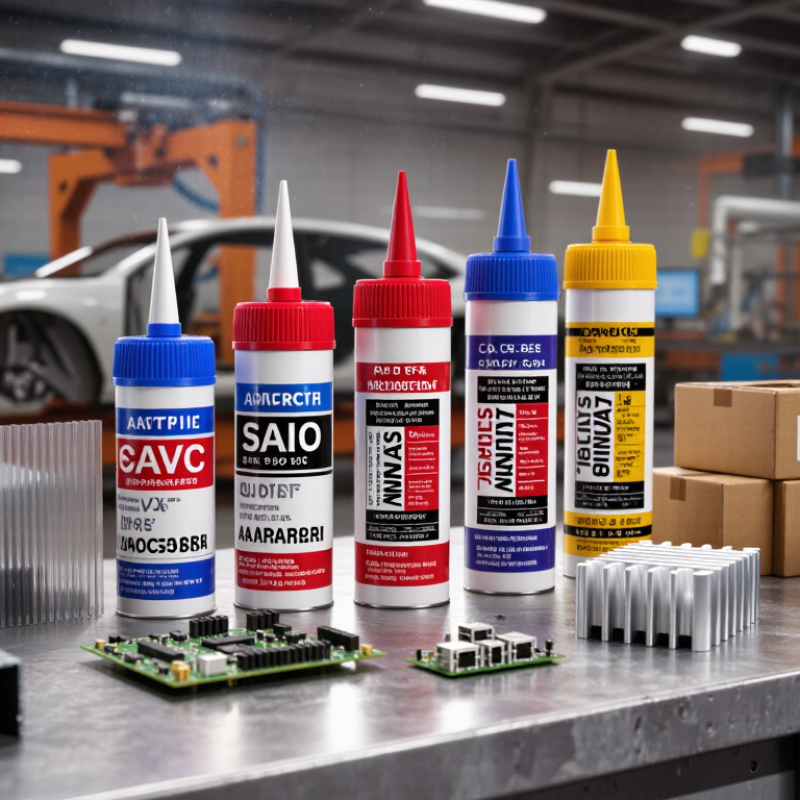
Table of Contents [Hide]
Industrial Adhesives: Definition, Scope, and Global Applications in 2026
What Is the Best Industrial Adhesive for Global Use in 2026?
An industrial adhesive joins materials through chemical bonding, physical bonding, or both. Its scope now covers metals, plastics, glass, composites, wood, ceramics, and coated surfaces. In 2026, manufacturers use adhesives for structural assembly, sealing, vibration control, and thermal management. Unlike mechanical fasteners, adhesives can distribute stress across a wider area. That matters.
Global applications include electric equipment, vehicle interiors, wind-energy components, medical devices, construction panels, and protective packaging. Each sector demands different performance. A factory in a humid coastal region may need strong moisture resistance. A high-altitude facility may face faster curing and temperature changes. Production speed, surface preparation, worker safety, and repair access also influence the choice.
A reliable selection process begins with the joint, not the product label. Engineers should test bond strength, aging, chemical exposure, temperature cycling, and real production tolerances. I have seen clean laboratory results weaken after dusty surfaces entered a busy assembly line. That detail is easy to miss. Documentation should include technical data, safety information, batch traceability, and application limits. Global teams also need consistent training and storage controls across sites. The strongest adhesive is not always the best option. A slower system may reduce defects, while a flexible one may protect a joint from repeated movement. Even careful specifications can overlook local climate, maintenance habits, or unexpected substrate coatings. Reevaluation remains necessary when materials or production conditions change.