
- High-Performance Doors
-
- Applications
-
-
-
- Clean Room
Stainless steel or composite materials help maintain clean rooms.
-
-
- Coolers
Quick opening speeds & tight seals for temperature control.
-
-
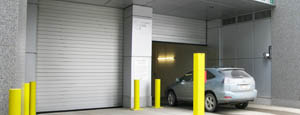
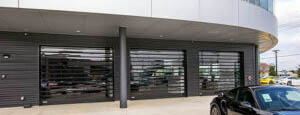
- Parking
Improve security & traffic flow and enhance architectural style.
-
-
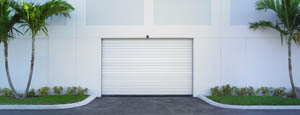
- Hurricane Zone
Withstand winds up to 175 mph and comply with the Florida Building Code.
-
-
-
-
- USDA / FDA / cGMP
Increase productivity & address stringent USDA, FDA & cGMP requirements.
-
-
- Freezers
High-speed & perimeter seals minimize the air exchange between areas.
-
-
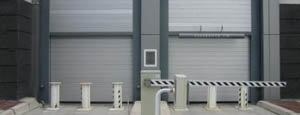
- Security
High speed & durability ensure secure access.
-
-
- Ventilation
Perforated or screen door panels allow improved air circulation.
-
-
-
-
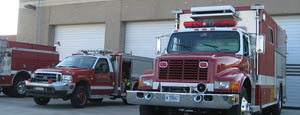
- Fire Station Emergency Response
When time is of the essence, high speed and reliability are crucial.
-
-
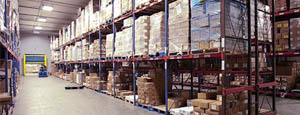
- Warehousing
Fast cycle times and secure seals keep environments separated.
-
-
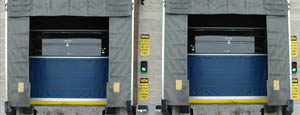
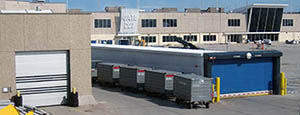
- Loading Dock
Rugged design & secure seal for oversized openings.
-
-
- Large Openings
Break-away functionality with rugged design seals oversized openings.
-
-
-
-
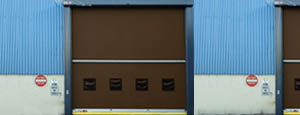
- Heavy Equipment
Withstands challenges of heavy equipment and fleet truck/car wash environments.
-
-
- Self-Storage
Fast opening speeds and reliable, durable construction keep facilities secure and protected.
-
-
- Industries
-
-
-
- Automotive Dealerships
Reduce energy costs, increase productivity and comfort and enhance customer perception.
-
-
- Cold Storage & Processing
Increase productivity and operational efficiency while reducing energy and maintenance costs.
-
-
- Parking
We offer solutions for Apartment / Condo & Loft, Standalone Parking Facilities and Office Buildings
-
-
-
-
- Food & Beverage
Doors specifically engineered for USDA/FDA and cGMP environments, and assured compliance for uncompromising performance.
-
-
- Mfg/Dist/Warehousing
A complete product line allows facilities to increase efficiency and safety and reduce maintenance and energy costs.
-
-
- Government
Ensure effective security and environmental controls are maintained for critical government operations.
-
-
-
-
- Transit
Keep operations running smoothly and efficient while reducing energy and maintenance costs.
-
-
- Pharma, Nutraceutical & Biotech
Doors that offer quick, secure access, environmental control and reliability for life science facilities.
-
-
- Support Resources
- Parts
- Contact Us
- Blog/News
- Why Rytec
- Sales Rep Locator
- Careers
- Dealers
- Architectural Resources













10 Best Insulated Wire Terminals for Global Buyers
Reliable electrical connections begin with small components that are often overlooked. Insulated Wire Terminals protect conductors, support secure crimping, and reduce exposure to accidental contact. Their importance is growing as vehicles, control panels, renewable-energy systems, and industrial equipment become more electrically complex.
The International Energy Agency reported that global electric-car sales exceeded 14 million in 2023, representing about 18% of new-car sales. Each vehicle contains extensive wiring and numerous vibration-resistant connections. The IEA’s Electricity 2024 report also identified rising electricity demand from industry, transport, and digital infrastructure. These changes increase the need for dependable terminal systems, not merely inexpensive accessories.
This guide evaluates 10 Best Insulated Wire Terminals for Global Buyers through practical criteria. These include conductor compatibility, insulation quality, crimp performance, temperature resistance, corrosion protection, packaging accuracy, and documented compliance. UL 486A-486B, IEC 60999, and relevant CSA requirements provide useful reference points, although certification coverage can differ by product and market. A terminal may appear strong in a catalog yet perform poorly with the wrong crimping tool. That detail is easy to miss.
Real-world selection requires more than brand recognition. Buyers should inspect copper material, plating, barrel dimensions, pull-out strength, and batch traceability. Independent testing, manufacturer datasheets, and supplier experience deserve greater weight than promotional claims. No ranking is flawless. Installation quality, storage conditions, and application temperature can change the result. This comparison therefore offers informed guidance, not a universal guarantee, helping global purchasers make safer and more defensible sourcing decisions.
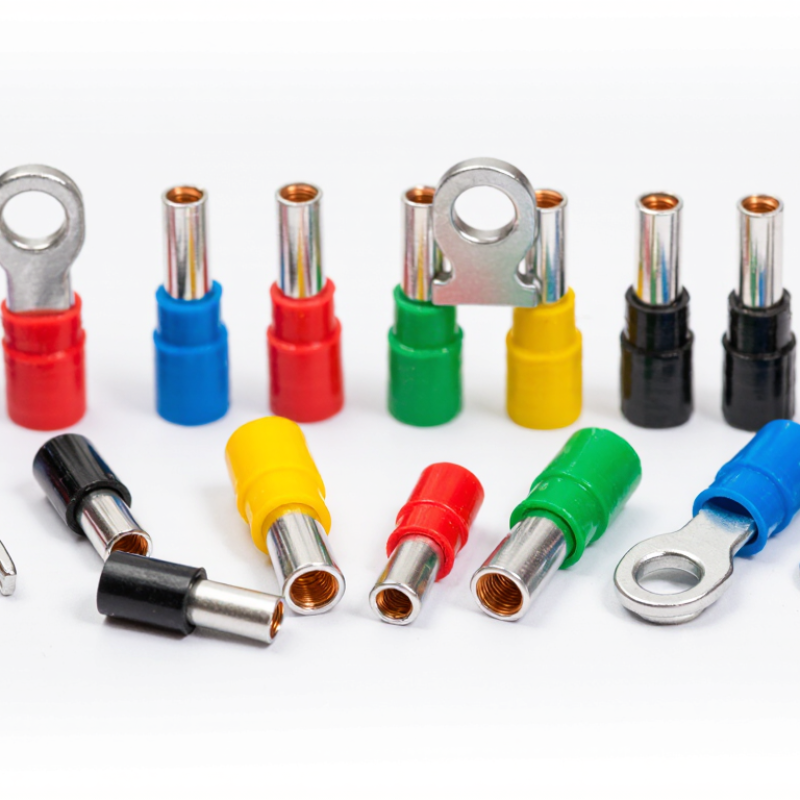
Table of Contents [Hide]
How Insulated Wire Terminals Work and Where They Are Used
10 Best Insulated Wire Terminals for Global Buyers
Insulated wire terminals create a secure bridge between a conductor and electrical equipment. A metal barrel grips the stripped wire after controlled crimping. The insulation sleeve reduces accidental contact and helps prevent short circuits. The connection should be tight, not merely attractive. A crimp can look perfect and still fail.
In control panels, automotive harnesses, appliances, battery systems, and renewable-energy equipment, terminals manage repeated electrical connections. The International Energy Agency’s Renewables 2024 report recorded about 585 gigawatts of new renewable capacity worldwide in 2024. More installations increase demand for reliable field wiring. The IEA Electricity 2024 report also expects global electricity demand to grow by an average of 3.4% annually through 2026. These figures support wider use in distribution cabinets and equipment assembly.
Selection depends on conductor size, current rating, temperature, vibration, and insulation material. Ring terminals resist pull-out when fixed under a screw. Fork terminals allow quicker service access. Butt connectors join two wires inside one insulated sleeve. Heat-resistant types suit engine compartments and industrial enclosures. Buyers should verify compliance with IEC 60352-2, IEC 60999-1, or applicable regional requirements. Use the correct crimp profile and calibrated tool. Hand pressure alone is unreliable. Moisture, corrosion, and wrong wire stripping remain common failure points. Testing should include visual inspection, pull testing, and continuity checks. Even experienced installers sometimes overlook strand damage. That deserves review.