
- High-Performance Doors
-
- Applications
-
-
-
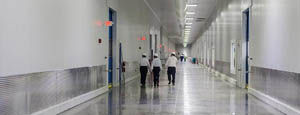
- Clean Room
Stainless steel or composite materials help maintain clean rooms.
-
-
- Coolers
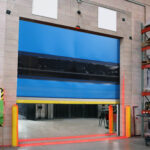
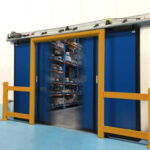
Quick opening speeds & tight seals for temperature control.
-
-
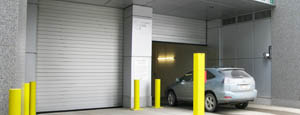
- Parking
Improve security & traffic flow and enhance architectural style.
-
-
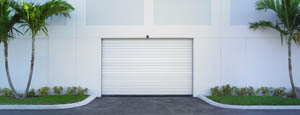
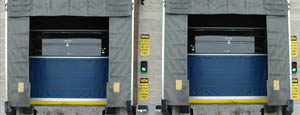
- Hurricane Zone
Withstand winds up to 175 mph and comply with the Florida Building Code.
-
-
-
-
- USDA / FDA / cGMP
Increase productivity & address stringent USDA, FDA & cGMP requirements.
-
-
- Freezers
High-speed & perimeter seals minimize the air exchange between areas.
-
-
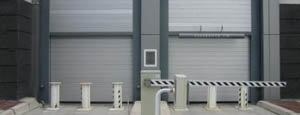
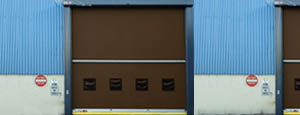
- Security
High speed & durability ensure secure access.
-
-
- Ventilation
Perforated or screen door panels allow improved air circulation.
-
-
-
-
- Fire Station Emergency Response
When time is of the essence, high speed and reliability are crucial.
-
-
- Warehousing
Fast cycle times and secure seals keep environments separated.
-
-
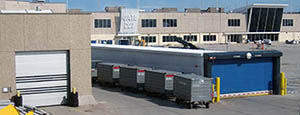
- Loading Dock
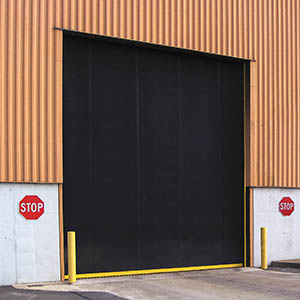
Rugged design & secure seal for oversized openings.
-
-
- Large Openings
Break-away functionality with rugged design seals oversized openings.
-
-
-
-
- Heavy Equipment
Withstands challenges of heavy equipment and fleet truck/car wash environments.
-
-
- Self-Storage
Fast opening speeds and reliable, durable construction keep facilities secure and protected.
-
-
- Industries
-
-
-
- Automotive Dealerships
Reduce energy costs, increase productivity and comfort and enhance customer perception.
-
-
- Cold Storage & Processing
Increase productivity and operational efficiency while reducing energy and maintenance costs.
-
-
- Parking
We offer solutions for Apartment / Condo & Loft, Standalone Parking Facilities and Office Buildings
-
-
-
-
- Food & Beverage
Doors specifically engineered for USDA/FDA and cGMP environments, and assured compliance for uncompromising performance.
-
-
- Mfg/Dist/Warehousing
A complete product line allows facilities to increase efficiency and safety and reduce maintenance and energy costs.
-
-
- Government
Ensure effective security and environmental controls are maintained for critical government operations.
-
-
-
-
- Transit
Keep operations running smoothly and efficient while reducing energy and maintenance costs.
-
-
- Pharma, Nutraceutical & Biotech
Doors that offer quick, secure access, environmental control and reliability for life science facilities.
-
-
- Support Resources
- Parts
- Contact Us
- Blog/News
- Why Rytec
- Sales Rep Locator
- Careers
- Dealers
- Architectural Resources















10 Best Stone Composite Floor Options for Global Buyers
Stone Composite Floor has moved from a specialist product into a serious option for residential, commercial, and hospitality projects. Its rigid core, water resistance, and realistic wood or stone finishes suit busy spaces, from hotel corridors to family kitchens. Grand View Research valued the global luxury vinyl tiles market at approximately USD 23.9 billion in 2022 and forecasts a 7.7% compound annual growth rate from 2023 to 2030. Stone composite products form part of this wider resilient-flooring movement, although market reports do not always separate SPC from other vinyl categories. That limitation matters.
This guide examines ten Stone Composite Floor options for global buyers. The comparison considers core density, wear-layer thickness, dimensional stability, slip resistance, installation method, warranty terms, and environmental documentation. A beautiful plank can still fail beside a sunny window if its locking system is weak. Installation quality matters, too. Flooring industry analyst Kemp Harr has stated, “The flooring business is a people business,” a useful reminder that supplier communication, technical support, and after-sales service influence real project outcomes. Buyers should request test reports, product samples, batch information, and clear declarations of installation conditions. Certifications can help, but they are not interchangeable. Look closely.
The ranking is practical, not absolute. Climate, subfloor moisture, traffic levels, and local standards can change the best choice. Some options may appear less impressive in photographs yet perform better under rolling chairs, wet footwear, or strong afternoon heat. That is the imperfect part of flooring selection. Product claims deserve verification.
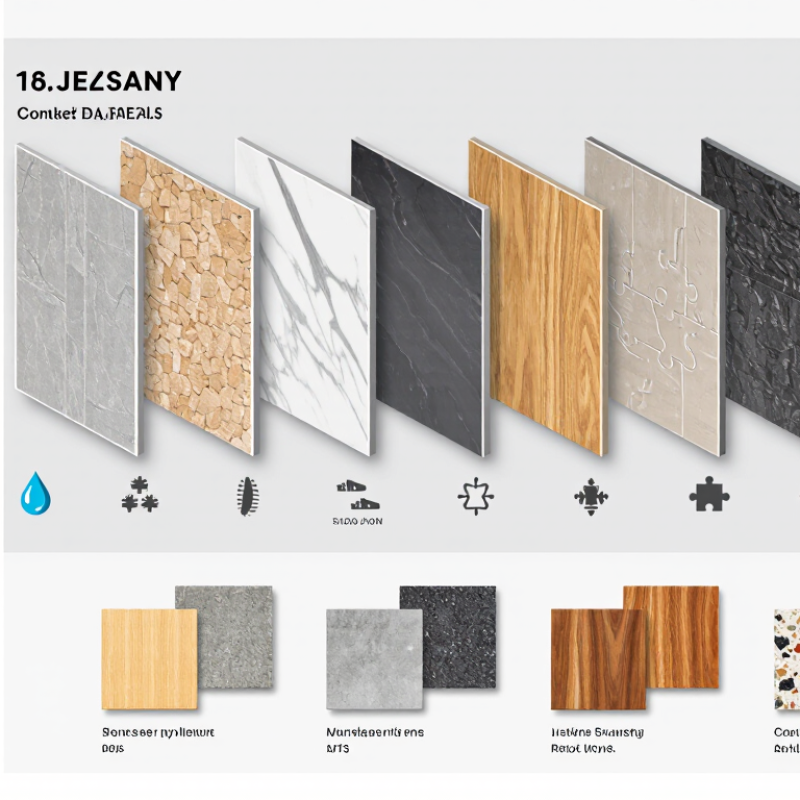
Table of Contents [Hide]
Stone Composite Flooring: Structure, Materials, and Core Performance
Stone composite flooring combines mineral filler with a polymer binder to create a dense, rigid surface. A typical core contains finely ground limestone and PVC or another engineered resin. The mineral improves stiffness and reduces movement during temperature changes. The resin helps control moisture absorption and supports dimensional stability. Structure matters.
Above the core, a printed film creates wood, stone, or concrete patterns. A transparent wear layer protects the image from daily abrasion. Some constructions include attached acoustic foam underneath. In occupied rooms, this layer can reduce footfall noise and hide minor subfloor irregularities. It cannot correct an uneven base. Poor preparation still shows.
During installation checks, installers should inspect locking edges, cut samples, and expansion gaps. A thicker floor is not automatically stronger. Wear-layer thickness, core density, surface texture, and joint accuracy also affect performance. Stone content alone does not prove quality. Samples can mislead. Global buyers should request test data for dimensional stability, slip resistance, abrasion, and indoor emissions. Test methods differ by market, so comparable laboratory conditions matter. Keep spare planks from the same production batch. Color and texture may change slightly between batches, even when specifications appear identical. That small inconsistency deserves attention.