China Best Overhead Coiling Door Supplier Factory Price?

China has become a major sourcing destination for industrial access systems, including the overhead coiling door. However, “factory price” should never be the only purchasing measure. A low quotation may exclude motors, controls, guides, shipping, installation support, or spare parts. Buyers should compare complete specifications, not attractive numbers alone.

As industrial door consultant Mark J. Garrison often states, “A low factory price matters only when the door performs safely, repeatedly, and predictably.” This principle is practical. A warehouse manager should inspect the curtain thickness, slat profile, guide rails, motor capacity, emergency release, and tested cycle rating. The surrounding conditions also matter. A cold storage facility needs suitable seals, while a coastal warehouse may require stronger corrosion protection. Wind exposure can change the required design.

Reliable suppliers should explain production controls, material traceability, load testing, packaging, and technical support. Factory visits, sample inspections, and clear drawings can reduce misunderstandings. Ask whether the quoted overhead coiling door includes delivery terms, commissioning guidance, warranty coverage, and replacement components. These details often decide the real cost.

The selection process is not perfect. Published performance data may require independent verification. Installation quality can also weaken a good product. Therefore, buyers should request recent project evidence and speak with actual customers when possible. China Best Overhead Coiling Door Supplier Factory Price? The answer depends on the complete supply package, verified performance, and long-term service—not the lowest initial offer.
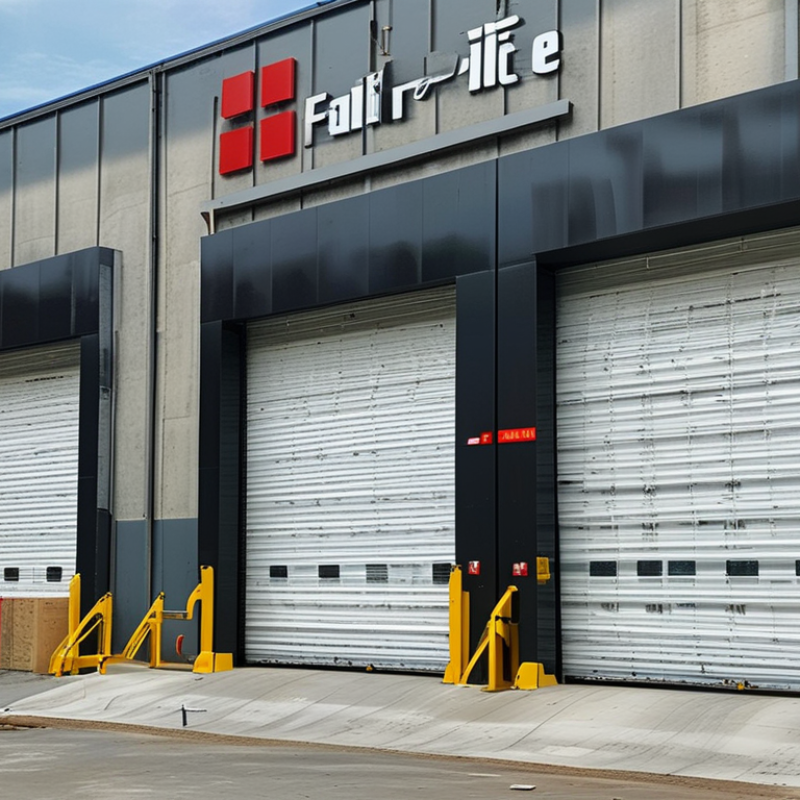
China Best Overhead Coiling Door Supplier Factory Price?

What Are Overhead Coiling Doors and How Do They Work?

What Are Overhead Coiling Doors and How Do They Work?

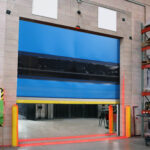
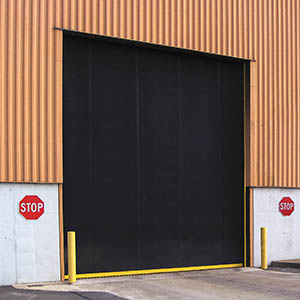
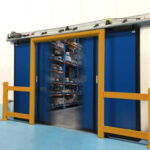
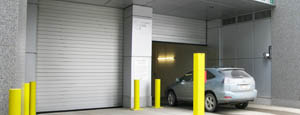
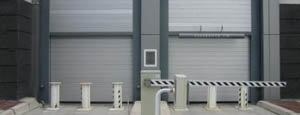
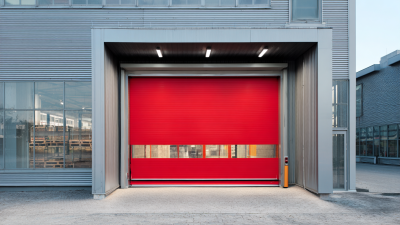
An overhead coiling door is a vertical door made from connected steel, aluminum, or insulated slats. The curtain travels upward and wraps around a barrel above the opening. Side guides keep each slat aligned during movement. A motor, gearbox, and control panel provide powered operation. Counterbalance springs may reduce the motor’s lifting load. Some doors also use manual chains for emergency operation.

The U.S. Department of Energy reports that buildings consume about 40% of total U.S. energy. Frequent door openings can increase air leakage, especially in busy warehouses. A 2024 global industrial doors market report also identifies automation and energy efficiency as major demand drivers. In practice, a fast-closing curtain can limit drafts, dust, and temperature loss. Not every door performs equally. Poorly adjusted guides create noise and uneven movement. A dirty loading bay exposes that weakness quickly. Safety edges, photo sensors, and emergency stops help prevent contact injuries. These devices require regular testing, not just installation. The Door and Access Systems Manufacturers Association recommends planned inspection of springs, guides, brakes, and controls. Door size, opening frequency, wind exposure, insulation, and available headroom should guide the specification. Factory price alone can mislead buyers. A cheaper door may require more service when its cycle rating is too low.

China Best Overhead Coiling Door Supplier Factory Price? What Are Overhead Coiling Doors and How Do They Work?

Overhead coiling doors use a flexible curtain made from steel or aluminum slats that travels vertically and rolls around a barrel above the opening. The typical operating speed depends on the door design: manual doors operate more slowly, standard motorized doors provide balanced daily performance, high-performance doors open faster for busy facilities, while fire-rated doors prioritize controlled closing and fire separation.

The figures show representative operating speeds commonly used for preliminary planning; actual performance varies according to door size, curtain weight, motor capacity, safety requirements, and installation conditions.

Why Choose a Chinese Overhead Coiling Door Supplier?

Choosing a Chinese overhead coiling door supplier can reduce purchasing costs without sacrificing engineering control. UNIDO’s Industrial Development Report 2024 places China among the world’s largest manufacturing contributors, with roughly one-third of global manufacturing value added. This industrial depth supports access to steel processing, motors, controls, and powder coating within one supply network.

Factory price matters, but landed cost matters more. The World Bank’s Logistics Performance Index 2023 gave China a score of 3.7, reflecting strong logistics capability and broad export infrastructure. Experienced suppliers can provide galvanized slats, wind-resistant guides, emergency release systems, and insulated panels for different building uses. A warehouse manager may compare a 4.5-meter opening, 0.8-millimeter steel slats, and a 24-volt control box before approving production.

Details decide performance.

A reliable supplier should share drawings, material certificates, load calculations, inspection records, and installation instructions. ISO 9001-based quality systems can improve traceability, although certification alone proves little without production evidence. Ask for sample testing and a documented final inspection. Remote communication is convenient, but it can hide small mistakes in dimensions or wiring. I have seen “standard” doors require unexpected site modifications. That risk deserves attention. Buyers should audit the factory, confirm spare-part availability, and calculate shipping, duties, installation, and maintenance before accepting a low quotation.

China Best Overhead Coiling Door Supplier Factory Price? - Why Choose a Chinese Overhead Coiling Door Supplier?

Evaluation Dimension Typical Chinese Supplier Offering Common International Requirement Purchasing Consideration
Door Construction Insulated or non-insulated rolling curtain; steel, aluminum, or stainless-steel options Material and construction must match the building, climate, and security requirements Confirm slat thickness, surface finish, corrosion resistance, and curtain weight
Standard Application Warehouses, workshops, loading areas, retail premises, parking facilities, and industrial buildings The door should be selected according to traffic frequency, opening size, and operating environment Provide opening dimensions, daily cycles, and site photographs before quotation
Operating Methods Manual chain operation, tubular motor, side-mounted motor, push-button control, remote control, and sensor integration Controls should comply with the electrical and safety requirements applicable at the installation site Check voltage, frequency, control logic, emergency release, and backup operation
Customization Capability Made-to-order width, height, curtain profile, guide rail, bottom bar, hood, color, and control configuration Dimensions and components must be verified against architectural and engineering drawings Request approved drawings, dimensional tolerances, and a component list before production
Weather and Corrosion Resistance Powder-coated, painted, galvanized, or stainless-steel finishes are commonly available Coating and metal selection should reflect humidity, salt exposure, chemicals, and temperature Ask for coating specifications, surface-treatment details, and environmental suitability
Safety Features Manual override, limit switches, bottom-edge protection, photoelectric sensors, and emergency stop options Safety equipment must be selected and installed according to local regulations and risk assessment Confirm testing procedures, safety-device compatibility, and installation responsibilities
Thermal Performance Insulated rolling doors can use foam-filled or double-wall slats; performance varies by construction Thermal requirements depend on the building envelope and indoor temperature-control objectives Request declared U-value or thermal data where energy performance is important
Production and Delivery Factory production can support batch orders and made-to-measure configurations; lead time depends on specification and order volume Delivery must align with construction schedules, import procedures, and site readiness Obtain a written production schedule, packing method, shipping terms, and document list
Factory-Direct Pricing Direct sourcing may reduce intermediary costs, while the final price depends on dimensions, materials, motor, controls, packaging, and shipping A valid comparison requires equivalent specifications and trade terms Compare total landed cost rather than the product price alone
Quality Verification Pre-shipment inspection, dimensional checks, operating tests, packing inspection, and documentation can be arranged Inspection scope should be agreed before manufacturing begins Use approved drawings, inspection checklists, photographs, and test records
After-Sales Support Installation manuals, spare-parts support, troubleshooting instructions, and technical communication may be available Support requirements depend on local installers, project complexity, and service availability Clarify warranty terms, spare-parts availability, exclusions, and response procedures

Note: Specifications, prices, delivery schedules, certifications, and performance values vary by project. Final selection should be based on approved technical documents, applicable local regulations, and the complete landed cost.

How to Evaluate Product Quality, Materials, and Safety Features?

China Best Overhead Coiling Door Supplier Factory Price?

A low factory price can be attractive, but it should never replace a quality assessment. Start by checking the curtain, guides, hood, shaft, and mounting brackets. Galvanized steel offers strength and corrosion resistance, while aluminum reduces weight and may suit humid environments. Ask for the actual material grade and thickness. Do not rely on vague words such as “premium metal.”

Look closely at production details. Seams should be even, edges should be smooth, and moving parts should not grind during operation. A reliable factory should provide cycle-test records, coating information, inspection reports, and clear maintenance instructions. Request a sample or visit the production line when possible. Photos can hide poor welding.

Safety features deserve careful attention. The door should include a reliable brake, emergency release, obstruction sensing, and a sensitive bottom edge. Light sensors or photocells can help protect people and equipment. Check how the door behaves during power failure. It should stop safely, not drop suddenly.

I once focused too heavily on appearance and missed weak guide alignment. That mistake was costly.

Factory price is only meaningful when service life, testing, spare parts, and installation support are included. Ask who will inspect the finished doors and how defects are handled. Some documentation may look complete, but independent verification is still worth considering.

What Factors Determine Factory Prices for Overhead Coiling Doors?

Factory prices for overhead coiling doors depend on more than the steel sheet. Door size, curtain thickness, opening speed, insulation, motor power, and control systems all change the quotation. A 2024 Fortune Business Insights report valued the global industrial doors market at about USD 7.61 billion in 2023, showing strong demand across warehouses and factories. Yet market growth does not guarantee a low price.

Material cost is usually the largest variable. The World Steel Association’s 2024 Short Range Outlook expected global steel demand to grow 1.7% in 2024 and 1.2% in 2025. That pressure can affect galvanized steel, stainless steel, guide rails, and brackets. Larger doors also require stronger shafts, heavier curtains, and more powerful motors. Insulated slats cost more, but they can reduce heat transfer in temperature-controlled areas. The cheapest option may age badly.

Factory location, order quantity, testing, packaging, and customization also matter. A standard 4-by-4-meter door is easier to produce than a fire-rated door with emergency release, wind resistance, or frequent-cycle operation. In real purchasing work, buyers sometimes compare only the unit price. That is a mistake. Ask for the steel grade, curtain thickness, motor duty cycle, safety devices, warranty scope, and spare-parts availability. Certification and documented quality checks add cost, but missing them creates uncertainty. Lead time matters too. A rushed order may require premium production or expensive transport. Pricing should be judged against operating conditions, not appearance alone.

How to Select the Best Supplier for Your Project?

Selecting the Best Overhead Coiling Door Supplier for Your Project

Factory price matters, but it should not lead the decision. A reliable supplier begins with your site conditions, not a standard quotation. Share the opening width, height, wall material, usage frequency, wind exposure, and available power supply. A warehouse door opening 4 meters wide needs different components from a busy loading bay.

Ask for clear technical drawings, material grades, safety features, and production tolerances. Check whether the curtain, guides, barrel, motor, and control system match your operating needs. Request inspection records, load calculations, and installation instructions. Real project photos can reveal details that polished brochures often hide. Look closely at guide alignment and bottom-edge protection.

Visit the factory if practical. Observe material storage, welding quality, coating preparation, and final testing. Ask how defects are recorded and corrected. A dependable supplier should explain lead times, spare parts, warranty limits, and service response in writing. Confirm that the door can meet local building and electrical requirements.

The cheapest offer may be incomplete. It might exclude transport, installation, sensors, or commissioning. I have seen buyers compare only the door price, then face higher costs during installation. That approach deserves reconsideration. A small price difference can protect daily operations for years. Still, no supplier is perfect. Require sample approval, staged payment terms, and a documented acceptance check before full delivery.