
- High-Performance Doors
-
- Applications
-
-
-
- Clean Room
Stainless steel or composite materials help maintain clean rooms.
-
-
- Coolers
Quick opening speeds & tight seals for temperature control.
-
-
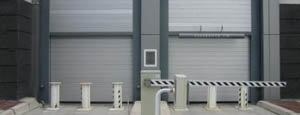
- Parking
Improve security & traffic flow and enhance architectural style.
-
-
- Hurricane Zone
Withstand winds up to 175 mph and comply with the Florida Building Code.
-
-
-
-
- USDA / FDA / cGMP
Increase productivity & address stringent USDA, FDA & cGMP requirements.
-
-
- Freezers
High-speed & perimeter seals minimize the air exchange between areas.
-
-
- Security
High speed & durability ensure secure access.
-
-
- Ventilation
Perforated or screen door panels allow improved air circulation.
-
-
-
-
- Fire Station Emergency Response
When time is of the essence, high speed and reliability are crucial.
-
-
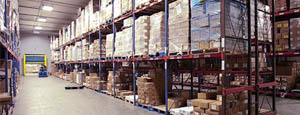
- Warehousing
Fast cycle times and secure seals keep environments separated.
-
-
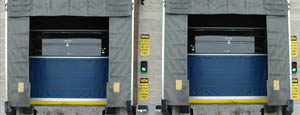
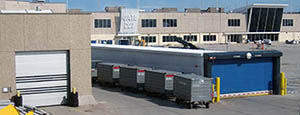
- Loading Dock
Rugged design & secure seal for oversized openings.
-
-
- Large Openings
Break-away functionality with rugged design seals oversized openings.
-
-
-
-
- Heavy Equipment
Withstands challenges of heavy equipment and fleet truck/car wash environments.
-
-
- Self-Storage
Fast opening speeds and reliable, durable construction keep facilities secure and protected.
-
-
- Industries
-
-
-
- Automotive Dealerships
Reduce energy costs, increase productivity and comfort and enhance customer perception.
-
-
- Cold Storage & Processing
Increase productivity and operational efficiency while reducing energy and maintenance costs.
-
-
- Parking
We offer solutions for Apartment / Condo & Loft, Standalone Parking Facilities and Office Buildings
-
-
-
-
- Food & Beverage
Doors specifically engineered for USDA/FDA and cGMP environments, and assured compliance for uncompromising performance.
-
-
- Mfg/Dist/Warehousing
A complete product line allows facilities to increase efficiency and safety and reduce maintenance and energy costs.
-
-
- Government
Ensure effective security and environmental controls are maintained for critical government operations.
-
-
-
-
- Transit
Keep operations running smoothly and efficient while reducing energy and maintenance costs.
-
-
- Pharma, Nutraceutical & Biotech
Doors that offer quick, secure access, environmental control and reliability for life science facilities.
-
-
- Support Resources
- Parts
- Contact Us
- Blog/News
- Why Rytec
- Sales Rep Locator
- Careers
- Dealers
- Architectural Resources


















China Top Stainless Steel Buttons Manufacturers Guide
China’s stainless steel button industry combines precision forming, surface finishing, and large-scale export experience. This guide examines the leading Stainless Steel Buttons manufacturers serving apparel, uniforms, luggage, footwear, and leather goods markets.
The World Stainless Association reported global crude stainless steel production at approximately 60 million metric tons in 2023. China remained the largest producing region, supported by extensive melting, rolling, stamping, and finishing capacity. That scale matters. It can improve material availability and production consistency. However, volume alone does not prove supplier reliability.
China Customs trade data and industry reports show China’s strong position in metal hardware exports, although button-specific figures are often grouped with broader accessory categories. This limitation deserves attention. Buyers should verify factory capabilities instead of trusting impressive market claims. Useful evidence includes ISO 9001 certification, material certificates, salt-spray test results, production samples, and traceable inspection records.
A dependable manufacturer should identify steel grades clearly, such as 201, 304, or 316 stainless steel. The grade affects corrosion resistance, appearance, and cost. Finishing details also require close review, including polishing, brushing, plating, laser marking, and edge smoothness. A button may look perfect in a catalog yet fail after repeated washing.
This guide compares Chinese manufacturers through practical criteria: factory experience, tooling control, minimum order quantities, customization support, quality inspection, packaging, and export communication. The analysis uses publicly available industry data and manufacturing practices, not unverified rankings. Some information may change as suppliers expand or reorganize. Buyers should request current documentation before placing orders.

Table of Contents [Hide]
Stainless Steel Button Basics: Grades, Finishes, Sizes, and Uses
Stainless steel buttons are valued for strength, clean appearance, and resistance to daily wear. Grade 304 suits most shirts, jackets, uniforms, and bags. Grade 316 performs better in humid or salty environments because it resists chloride corrosion more effectively. Grade 201 can reduce cost, but its durability varies with the alloy and surface treatment. Always request material documentation and a physical sample. Numbers alone are not enough.
Finishes change both appearance and maintenance. Polished steel reflects light like a small mirror, while brushed surfaces show fine directional lines. Matte finishes hide fingerprints, but they may feel less decorative. PVD colors can add gold, black, or bronze tones, yet coating adhesion needs testing after rubbing and washing.
Common button sizes range from about 10 to 30 millimeters. Four-hole styles suit everyday sewing, while shank buttons create a raised, tailored look. Measure the button, hole spacing, and back clearance together. Small details matter.
For Chinese manufacturing orders, confirm edge smoothness, plating consistency, logo placement, and salt-spray requirements before production. A button may look perfect under factory lighting but reveal scratches in daylight. That mistake is easy to make. I would also compare several samples after washing, bending, and repeated fastening. These simple checks expose weak coatings and loose shanks. Specifications should describe the alloy, finish, size tolerance, attachment method, and inspection standard clearly.