
- High-Performance Doors
-
- Applications
-
-
-
- Clean Room
Stainless steel or composite materials help maintain clean rooms.
-
-
- Coolers
Quick opening speeds & tight seals for temperature control.
-
-
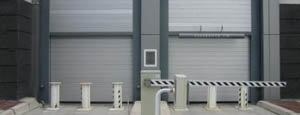
- Parking
Improve security & traffic flow and enhance architectural style.
-
-
- Hurricane Zone
Withstand winds up to 175 mph and comply with the Florida Building Code.
-
-
-
-
- USDA / FDA / cGMP
Increase productivity & address stringent USDA, FDA & cGMP requirements.
-
-
- Freezers
High-speed & perimeter seals minimize the air exchange between areas.
-
-
- Security
High speed & durability ensure secure access.
-
-
- Ventilation
Perforated or screen door panels allow improved air circulation.
-
-
-
-
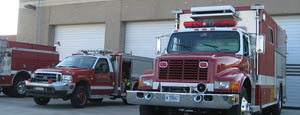
- Fire Station Emergency Response
When time is of the essence, high speed and reliability are crucial.
-
-
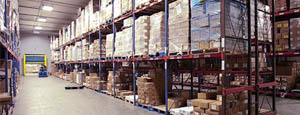
- Warehousing
Fast cycle times and secure seals keep environments separated.
-
-
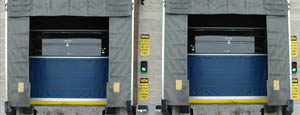
- Loading Dock
Rugged design & secure seal for oversized openings.
-
-
- Large Openings
Break-away functionality with rugged design seals oversized openings.
-
-
-
-
- Heavy Equipment
Withstands challenges of heavy equipment and fleet truck/car wash environments.
-
-
- Self-Storage
Fast opening speeds and reliable, durable construction keep facilities secure and protected.
-
-
- Industries
-
-
-
- Automotive Dealerships
Reduce energy costs, increase productivity and comfort and enhance customer perception.
-
-
- Cold Storage & Processing
Increase productivity and operational efficiency while reducing energy and maintenance costs.
-
-
- Parking
We offer solutions for Apartment / Condo & Loft, Standalone Parking Facilities and Office Buildings
-
-
-
-
- Food & Beverage
Doors specifically engineered for USDA/FDA and cGMP environments, and assured compliance for uncompromising performance.
-
-
- Mfg/Dist/Warehousing
A complete product line allows facilities to increase efficiency and safety and reduce maintenance and energy costs.
-
-
- Government
Ensure effective security and environmental controls are maintained for critical government operations.
-
-
-
-
- Transit
Keep operations running smoothly and efficient while reducing energy and maintenance costs.
-
-
- Pharma, Nutraceutical & Biotech
Doors that offer quick, secure access, environmental control and reliability for life science facilities.
-
-
- Support Resources
- Parts
- Contact Us
- Blog/News
- Why Rytec
- Sales Rep Locator
- Careers
- Dealers
- Architectural Resources
















How to Choose a Die Spotting Machine for Global Sourcing
Global sourcing has made tooling decisions more connected to trade, automation, and production resilience. The World Trade Organization reported that global merchandise trade volume decreased by 1.2% in 2023. That decline exposed hidden risks in long-distance purchasing. Delivery delays, unclear specifications, and weak after-sales support can quickly increase tooling costs.
A Die Spotting Machine should therefore be evaluated beyond its purchase price. The International Federation of Robotics reported 541,302 industrial robots were installed worldwide in 2023. This figure reflects stronger pressure for repeatable, automated manufacturing. A suitable spotting machine must match the die size, clamping method, daylight, tilting range, safety controls, and plant workflow. It should also support accurate die trials, maintenance access, and operator training. Small details matter. A poorly positioned control panel can slow every adjustment.
Supplier verification requires practical evidence. Request load test records, calibration documents, installation references, spare-parts policies, and videos of comparable dies running. Check whether the supplier understands your material thickness, press capacity, die weight, and regional electrical standards. The World Bank’s Logistics Performance Index 2023 also shows that customs, infrastructure, and shipment reliability differ widely between markets. These differences can affect commissioning schedules.
No single specification guarantees success. I have seen buyers focus on maximum capacity while ignoring service response time. That choice can look efficient on paper, but expensive during a production stoppage. A careful comparison should combine technical fit, total ownership cost, supplier credibility, and local support. This guide explains how global buyers can make that decision with clearer evidence and fewer assumptions.
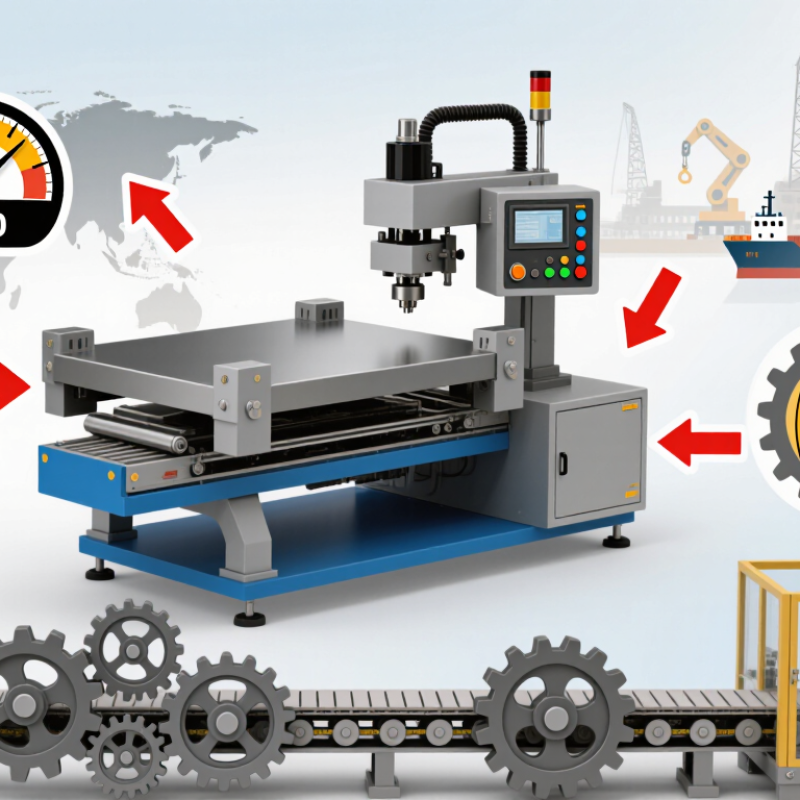
Table of Contents [Hide]
What a Die Spotting Machine Is and Why It Matters
A die spotting machine is a low-speed press used to open, close, align, and inspect stamping dies. It helps technicians verify clearances before a die reaches production speed. During servicing, the machine can reveal uneven contact, damaged inserts, or incorrect shut height. This makes die spotting more than a setup task. It is a practical quality-control step.
For global sourcing, match the machine’s capacity with the die’s weight, dimensions, and required closing force. Check table size, daylight, stroke, clamping method, and whether the table can tilt or rotate. A controlled, slow movement gives operators better visibility around guide pins and cutting edges. Keep floor space in mind. A machine that fits the catalog may not fit the workshop.
Reliable sourcing also depends on technical support, manuals, electrical compatibility, spare-part access, and operator training. Ask for test records and dimensional tolerances, not only attractive specifications. Observe the control panel and emergency functions during a live demonstration. Small details matter. In practice, we have seen projects delayed because a machine arrived with unfamiliar controls or incomplete installation data. Specifications are useful, but they are not the whole decision. Operator habits, local service skills, and future die sizes deserve equal attention.