
- High-Performance Doors
-
- Applications
-
-
-
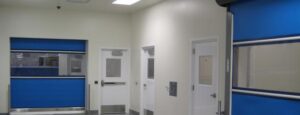
- Clean Room
Stainless steel or composite materials help maintain clean rooms.
-
-
- Coolers
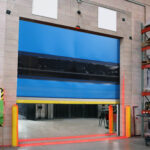
Quick opening speeds & tight seals for temperature control.
-
-
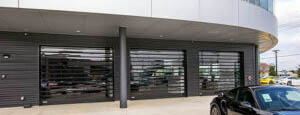
- Parking
Improve security & traffic flow and enhance architectural style.
-
-
- Hurricane Zone
Withstand winds up to 175 mph and comply with the Florida Building Code.
-
-
-
-
- USDA / FDA / cGMP
Increase productivity & address stringent USDA, FDA & cGMP requirements.
-
-
- Freezers
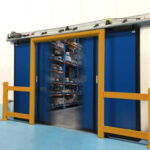
High-speed & perimeter seals minimize the air exchange between areas.
-
-
- Security
High speed & durability ensure secure access.
-
-
- Ventilation
Perforated or screen door panels allow improved air circulation.
-
-
-
-
- Fire Station Emergency Response
When time is of the essence, high speed and reliability are crucial.
-
-
- Warehousing
Fast cycle times and secure seals keep environments separated.
-
-
- Loading Dock
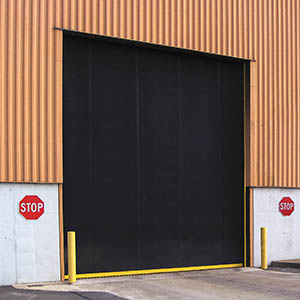
Rugged design & secure seal for oversized openings.
-
-
- Large Openings
Break-away functionality with rugged design seals oversized openings.
-
-
-
-
- Heavy Equipment
Withstands challenges of heavy equipment and fleet truck/car wash environments.
-
-
- Self-Storage
Fast opening speeds and reliable, durable construction keep facilities secure and protected.
-
-
- Industries
-
-
-
- Automotive Dealerships
Reduce energy costs, increase productivity and comfort and enhance customer perception.
-
-
- Cold Storage & Processing
Increase productivity and operational efficiency while reducing energy and maintenance costs.
-
-
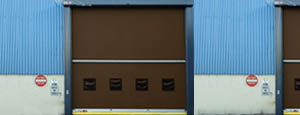
- Parking
We offer solutions for Apartment / Condo & Loft, Standalone Parking Facilities and Office Buildings
-
-
-
-
- Food & Beverage
Doors specifically engineered for USDA/FDA and cGMP environments, and assured compliance for uncompromising performance.
-
-
- Mfg/Dist/Warehousing
A complete product line allows facilities to increase efficiency and safety and reduce maintenance and energy costs.
-
-
- Government
Ensure effective security and environmental controls are maintained for critical government operations.
-
-
-
-
- Transit
Keep operations running smoothly and efficient while reducing energy and maintenance costs.
-
-
- Pharma, Nutraceutical & Biotech
Doors that offer quick, secure access, environmental control and reliability for life science facilities.
-
-
- Support Resources
- Parts
- Contact Us
- Blog/News
- Why Rytec
- Sales Rep Locator
- Careers
- Dealers
- Architectural Resources














How to Choose Exterior Plywood in 2026?
Choosing Exterior Plywood in 2026 means looking beyond price and a bold product label. The right panel depends on where it will be used, how it will be finished, and how much moisture it may face. A roof deck, a garden shed wall, and a painted exterior trim project do not necessarily need the same grade or thickness. Small details matter.
Check the panel’s grade, bonding classification, thickness, and intended use on its product label or technical sheet. Exterior-rated glue helps resist moisture, but it does not make plywood permanently waterproof. Exposed edges can still swell, and standing water can shorten a panel’s service life. That is easy to overlook. Before buying, compare the required span and support spacing with the manufacturer’s guidance, then plan suitable flashing, sealing, and drainage. Building requirements can vary by location, so confirm the project specification rather than relying on a general rule.
This guide explains how to weigh those factors, compare common panel options, and avoid paying for features your project may not need. It also considers surface quality, core construction, and practical handling, such as checking for damaged edges or uneven layers at the yard. Not every label is equally clear, and a low price can hide an unsuitable grade. A careful choice starts with the application, not the sales pitch.
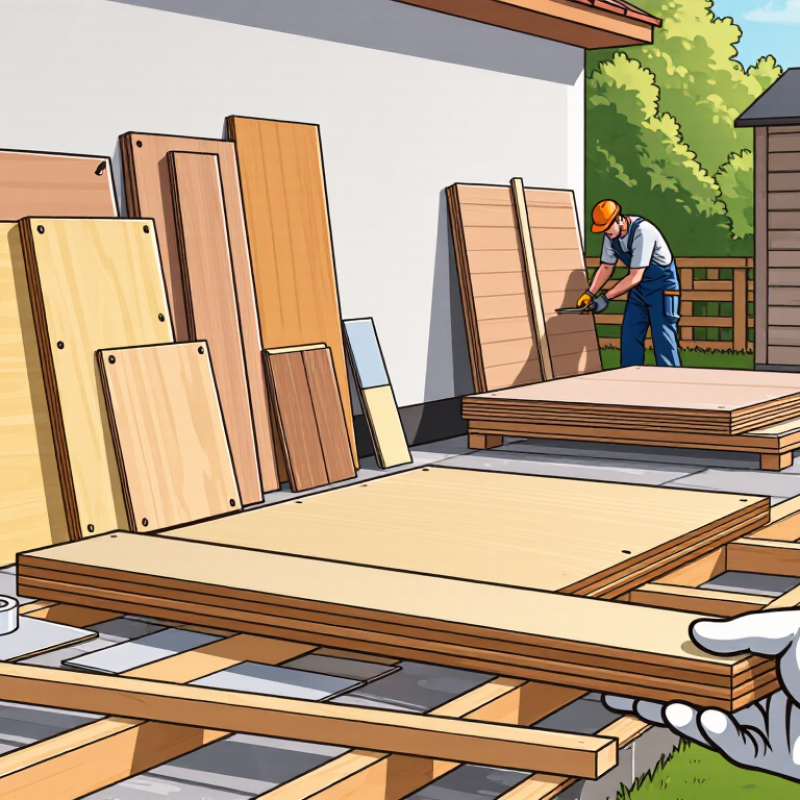
Table of Contents [Hide]
Understand What Exterior Plywood Is and Where It Can Be Used
Exterior plywood is made from thin wood veneers bonded with moisture-resistant adhesive. Its construction helps resist delamination when damp conditions occur. It is not waterproof. Rain, standing water, and repeated wetting can still damage unprotected edges and surfaces.
The right use depends on the panel’s grade, thickness, and exposure rating. Exterior-rated panels may suit wall sheathing, roof decking, soffits, or outdoor projects when the design and local building requirements allow them. For areas that receive direct weather, use a suitable protective finish and seal cut edges. Small details matter. A rough, unsealed edge can absorb water faster than a coated face.
Check the panel stamp rather than relying on appearance alone. It identifies key ratings and intended use, though markings can be easy to miss beneath dust or paint. Exterior plywood also varies in appearance and surface quality; a structural panel may not provide a smooth finish. One common mistake is assuming “exterior” means maintenance-free. It does not. Inspect exposed panels periodically, especially near ground level, roof edges, and joints where water can collect.