
- High-Performance Doors
-
- Applications
-
-
-
- Clean Room
Stainless steel or composite materials help maintain clean rooms.
-
-
- Coolers
Quick opening speeds & tight seals for temperature control.
-
-
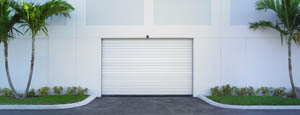
- Parking
Improve security & traffic flow and enhance architectural style.
-
-
- Hurricane Zone
Withstand winds up to 175 mph and comply with the Florida Building Code.
-
-
-
-
- USDA / FDA / cGMP
Increase productivity & address stringent USDA, FDA & cGMP requirements.
-
-
- Freezers
High-speed & perimeter seals minimize the air exchange between areas.
-
-
- Security
High speed & durability ensure secure access.
-
-
- Ventilation
Perforated or screen door panels allow improved air circulation.
-
-
-
-
- Fire Station Emergency Response
When time is of the essence, high speed and reliability are crucial.
-
-
- Warehousing
Fast cycle times and secure seals keep environments separated.
-
-
- Loading Dock
Rugged design & secure seal for oversized openings.
-
-
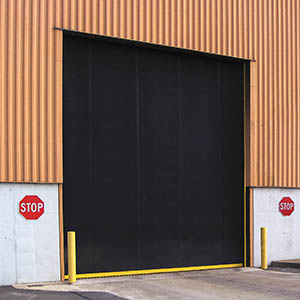
- Large Openings
Break-away functionality with rugged design seals oversized openings.
-
-
-
-
- Heavy Equipment
Withstands challenges of heavy equipment and fleet truck/car wash environments.
-
-
- Self-Storage
Fast opening speeds and reliable, durable construction keep facilities secure and protected.
-
-
- Industries
-
-
-
- Automotive Dealerships
Reduce energy costs, increase productivity and comfort and enhance customer perception.
-
-
- Cold Storage & Processing
Increase productivity and operational efficiency while reducing energy and maintenance costs.
-
-
- Parking
We offer solutions for Apartment / Condo & Loft, Standalone Parking Facilities and Office Buildings
-
-
-
-
- Food & Beverage
Doors specifically engineered for USDA/FDA and cGMP environments, and assured compliance for uncompromising performance.
-
-
- Mfg/Dist/Warehousing
A complete product line allows facilities to increase efficiency and safety and reduce maintenance and energy costs.
-
-
- Government
Ensure effective security and environmental controls are maintained for critical government operations.
-
-
-
-
- Transit
Keep operations running smoothly and efficient while reducing energy and maintenance costs.
-
-
- Pharma, Nutraceutical & Biotech
Doors that offer quick, secure access, environmental control and reliability for life science facilities.
-
-
- Support Resources
- Parts
- Contact Us
- Blog/News
- Why Rytec
- Sales Rep Locator
- Careers
- Dealers
- Architectural Resources























How to Choose Melamine Faced Plywood in 2026?
Choosing Melamine Faced Plywood in 2026 requires more than comparing colors, prices, and showroom samples. The attractive white panel may hide a weak core, uneven bonding, or poor edge performance. Real selection begins with the room, the load, and the moisture risk.
Materials consultant David Foster describes the decision clearly: “A decorative board is still an engineered material; moisture and edge quality decide its life.” His observation is practical. A kitchen cabinet beside a sink needs different protection from a bedroom wardrobe. A shelving panel carrying books needs stable layers and suitable thickness. A pale oak finish cannot compensate for swelling around an unsealed screw hole.
This guide examines the details that matter when purchasing Melamine Faced Plywood in 2026. It considers veneer quality, core construction, formaldehyde documentation, surface durability, screw-holding strength, and supplier traceability. Buyers should request current technical sheets, not rely only on labels such as E0, E1, or “eco.” Those terms can vary by market and testing method. Check the applicable standard.
Small details matter.
Run a hand along the edge. Look for gaps, chipped laminates, and uneven sanding. Ask whether the board is suitable for dry, humid, or demanding interior conditions. Confirm thickness tolerance and batch consistency before ordering large quantities. FSC certification may support responsible sourcing, but it does not automatically prove superior structural performance.
No checklist is perfect. Even experienced buyers can overvalue appearance. The better approach combines documented testing with a physical inspection and a realistic installation plan. A beautiful panel still needs the right screws, sealed edges, careful storage, and honest moisture control.

Table of Contents [Hide]
What Is Melamine Faced Plywood and How Is It Made?
Melamine faced plywood combines a plywood core with a decorative, resin-impregnated paper surface. The core is built from thin wood veneers, usually cross-laminated with adhesive. This structure improves dimensional stability and screw holding. The face paper is pressed onto the panel under controlled heat and pressure. Melamine resin hardens inside the paper, creating a smooth, stain-resistant surface.
FAO’s 2023 Yearbook of Forest Products reports global wood-based panel production at roughly 400 million cubic metres in 2022. That scale explains the wide variation in plywood quality. In practical inspections, I check veneer gaps, edge sealing, surface bubbling, and panel flatness before reviewing appearance. A clean face can hide a weak core. Look closely.
For 2026 purchasing, compare thickness tolerance, core species, adhesive classification, and formaldehyde data. EN 717-1 identifies E1 performance at emissions up to 0.124 mg/m³. In the United States, CARB Phase 2 sets a 0.05 ppm limit for hardwood plywood. Ask for current laboratory reports, not only a supplier’s verbal claim. Surface texture also matters; deep woodgrain patterns can collect dust and moisture. I once underestimated edge quality on a cabinet project, and swelling appeared after repeated cleaning. That mistake still influences my inspections. Cost remains important, but the cheapest panel may require more edging, repairs, and replacement.