
- High-Performance Doors
-
- Applications
-
-
-
- Clean Room
Stainless steel or composite materials help maintain clean rooms.
-
-
- Coolers
Quick opening speeds & tight seals for temperature control.
-
-
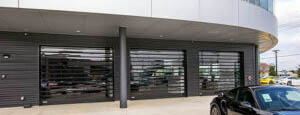
- Parking
Improve security & traffic flow and enhance architectural style.
-
-
- Hurricane Zone
Withstand winds up to 175 mph and comply with the Florida Building Code.
-
-
-
-
- USDA / FDA / cGMP
Increase productivity & address stringent USDA, FDA & cGMP requirements.
-
-
- Freezers
High-speed & perimeter seals minimize the air exchange between areas.
-
-
- Security
High speed & durability ensure secure access.
-
-
- Ventilation
Perforated or screen door panels allow improved air circulation.
-
-
-
-
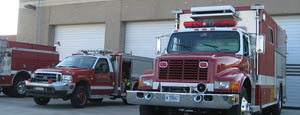
- Fire Station Emergency Response
When time is of the essence, high speed and reliability are crucial.
-
-
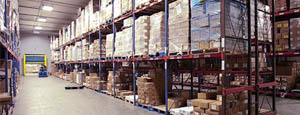
- Warehousing
Fast cycle times and secure seals keep environments separated.
-
-
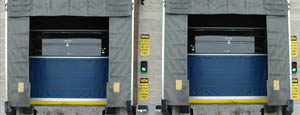
- Loading Dock
Rugged design & secure seal for oversized openings.
-
-
- Large Openings
Break-away functionality with rugged design seals oversized openings.
-
-
-
-
- Heavy Equipment
Withstands challenges of heavy equipment and fleet truck/car wash environments.
-
-
- Self-Storage
Fast opening speeds and reliable, durable construction keep facilities secure and protected.
-
-
- Industries
-
-
-
- Automotive Dealerships
Reduce energy costs, increase productivity and comfort and enhance customer perception.
-
-
- Cold Storage & Processing
Increase productivity and operational efficiency while reducing energy and maintenance costs.
-
-
- Parking
We offer solutions for Apartment / Condo & Loft, Standalone Parking Facilities and Office Buildings
-
-
-
-
- Food & Beverage
Doors specifically engineered for USDA/FDA and cGMP environments, and assured compliance for uncompromising performance.
-
-
- Mfg/Dist/Warehousing
A complete product line allows facilities to increase efficiency and safety and reduce maintenance and energy costs.
-
-
- Government
Ensure effective security and environmental controls are maintained for critical government operations.
-
-
-
-
- Transit
Keep operations running smoothly and efficient while reducing energy and maintenance costs.
-
-
- Pharma, Nutraceutical & Biotech
Doors that offer quick, secure access, environmental control and reliability for life science facilities.
-
-
- Support Resources
- Parts
- Contact Us
- Blog/News
- Why Rytec
- Sales Rep Locator
- Careers
- Dealers
- Architectural Resources

















How to Choose Reefer Unit Parts in 2026?
Choosing Reefer Unit Parts in 2026 requires more than comparing prices online. Refrigerated trailers depend on precise airflow, stable temperatures, and dependable control systems. A small mismatch can increase fuel use or spoil a full load.
Start with the unit’s make, model, serial number, and service history. Keep these details nearby. They help confirm whether a compressor, condenser fan, sensor, or control board will fit correctly. Experienced fleet managers also review operating conditions. A unit running through desert heat needs different attention than one working in cold, humid ports. Manufacturer manuals, approved catalogs, and qualified technicians provide stronger guidance than anonymous marketplace listings.
Quality matters under constant vibration and changing temperatures. Look for documented specifications, traceable suppliers, and warranty support. Check seals, connectors, mounting points, and electrical ratings before installation. A low-cost part may seem attractive, but early failure can create delays, emergency labor, and cargo risks. That lesson is easy to underestimate.
No checklist is perfect. Real equipment may have previous repairs, outdated wiring, or undocumented modifications. Therefore, inspect the actual unit before ordering critical Reefer Unit Parts. Record fault codes, temperature readings, and visible wear. Compare those findings with the service manual. In 2026, smarter diagnostics can improve decisions, but human judgment still matters. The best choice balances compatibility, durability, maintenance access, energy performance, and total operating cost. This guide explains how to evaluate those factors with practical details, professional caution, and evidence-based reasoning.
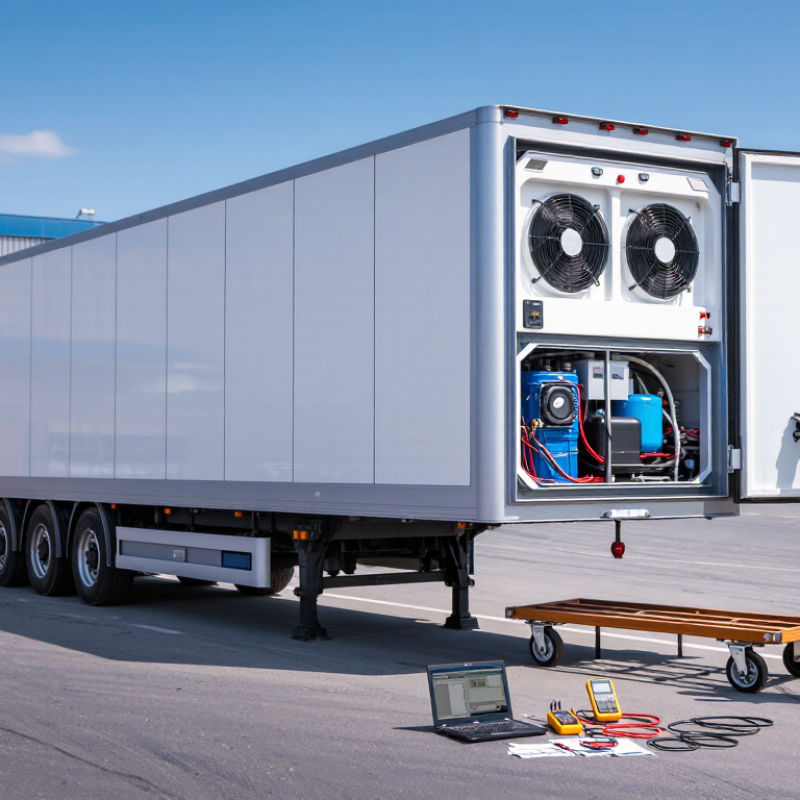
Table of Contents [Hide]
Understanding Reefer Unit Types and Their Operating Requirements
How to Choose Reefer Unit Parts in 2026?
Choosing reefer unit parts starts with identifying the refrigeration system type. Trailer units commonly use independent diesel engines and belt-driven compressors. Truck-mounted systems often rely on the vehicle engine through direct drive. Container units usually require electric power and strict voltage compatibility. Each design places different demands on compressors, sensors, filters, and control boards.
Operating conditions matter as much as unit type. A diesel reefer working on long routes needs durable fuel-system parts and reliable cold-start performance. An electric unit needs correctly rated contactors, wiring, and insulation. Frequent door openings increase cooling load and may shorten evaporator fan life. Record ambient temperature, cargo temperature, operating hours, and fault codes before ordering components. That evidence prevents expensive guesswork.
Field experience shows that a visually identical part may still perform differently. Check voltage, connector shape, pressure range, mounting dimensions, and software compatibility. Use service records and manufacturer specifications as primary references. Do not select a larger compressor automatically. Oversizing can increase energy use and create unstable temperature control. I have seen technicians replace a sensor without checking damaged wiring first. That mistake is common. Inspect terminals, grounds, airflow, and refrigerant leaks together. Some choices remain uncertain until the unit operates under real load. Test the repaired system with a calibrated thermometer and documented temperature readings.
How to Choose Reefer Unit Parts in 2026? - Understanding Reefer Unit Types and Their Operating Requirements
| Reefer Unit Type | Typical Application | Common Operating Temperature Range | Primary Power Source | Key Parts to Select | Operating Requirements | Important Selection Criteria | Typical Service Focus |
|---|---|---|---|---|---|---|---|
| Self-Powered Diesel Trailer Unit | Long-haul refrigerated trailers carrying frozen, chilled, or temperature-sensitive cargo. | Approximately -29°C to +27°C, depending on the unit configuration and control system. | Dedicated diesel engine with a generator and mechanical or electric refrigeration drive. | Diesel engine components Fuel filters, oil filters, air filters, belts, hoses, starter, alternator, battery, compressor, condenser fan, evaporator fan, sensors, and controller. | Requires sufficient fuel, clean air intake, correct engine oil, unobstructed condenser airflow, and regular defrost operation. | Match the compressor capacity, engine output, refrigerant circuit, voltage, sensor type, and mounting dimensions with the existing unit. | Engine oil and filter service, fuel-system inspection, belt tension, battery condition, refrigerant leak testing, and condenser cleaning. |
| Self-Powered Diesel Truck Unit | Rigid trucks used for regional distribution, multi-stop deliveries, and urban cold-chain transport. | Typically about -25°C to +25°C, subject to unit design and cargo requirements. | Dedicated diesel engine, usually installed on the truck body or front bulkhead. | Compact refrigeration components Engine service parts, compressor, evaporator assembly, fan motors, expansion device, control module, door switches, and temperature probes. | Frequent door openings increase heat load. The unit needs reliable low-speed performance, rapid pull-down, and effective defrost control. | Check available installation space, airflow clearance, noise limits, electrical connector layout, and required cooling capacity. | Frequent inspection of door seals, evaporator coil cleanliness, fan operation, temperature recording, and standby battery condition. |
| Truck-Engine-Driven Refrigeration Unit | Small and medium refrigerated trucks where the refrigeration system is powered by the vehicle engine. | Commonly around -20°C to +10°C, depending on the evaporator and compressor arrangement. | Vehicle engine through a belt, clutch, hydraulic system, or direct mechanical connection. | Drive and interface parts Compressor, drive belt, electromagnetic clutch, pulleys, tensioner, shaft seals, refrigerant hoses, pressure switches, and control wiring. | Cooling performance depends on engine speed. Correct belt alignment, clutch engagement, oil circulation, and idle-speed control are essential. | Confirm engine compatibility, pulley rotation, belt profile, clutch voltage, compressor displacement, and available mounting brackets. | Belt wear, clutch air gap, compressor oil level, hose abrasion, pressure readings, and correct engine idle operation. |
| Electric Standby Reefer Unit | Refrigerated trailers or trucks operating at warehouses, distribution centers, and loading docks with electrical connections. | Usually supports chilled and frozen set points similar to the primary refrigeration unit. | External electrical supply, commonly three-phase industrial power; the exact voltage and frequency depend on the installation. | Electrical and conversion parts Standby motor, contactor, overload relay, circuit breaker, power cable, plug, motor starter, inverter where applicable, and control board. | Requires correctly rated voltage, phase sequence, grounding, weather-resistant connections, and protection against overload and moisture. | Verify voltage, frequency, phase count, motor rating, connector standard, cable length, enclosure protection, and control compatibility. | Electrical insulation testing, terminal tightening, contactor inspection, cable damage checks, motor bearing condition, and ground continuity. |
| All-Electric Battery Reefer Unit | Urban delivery vehicles, low-emission fleets, and applications requiring reduced local emissions and lower operating noise. | Often designed for chilled and frozen transport; the actual range depends on battery capacity and thermal load. | High-voltage battery pack with electric compressor, inverter, and electric fan motors. | High-voltage and electronic parts Electric compressor, inverter, DC-DC converter, battery modules, high-voltage cables, contactors, thermal sensors, coolant pump, and isolation monitor. | Requires high-voltage safety procedures, adequate battery state of charge, thermal management, protected connectors, and trained technicians. | Match battery voltage, compressor power, inverter communication, connector type, cooling-fluid specification, and software compatibility. | Battery health checks, insulation resistance tests, coolant inspection, connector examination, firmware diagnostics, and high-voltage interlock checks. |
| Hybrid Diesel-Electric Reefer Unit | Long-distance or mixed-use operations requiring diesel autonomy and electric operation at depots or terminals. | Typically covers frozen, chilled, and controlled-temperature cargo requirements within the unit's certified limits. | Combination of diesel engine, generator, battery system, or external electric standby supply. | Integrated powertrain parts Generator, inverter, battery, diesel engine parts, electric motor, control module, contactors, sensors, and power-distribution components. | Requires coordinated control of engine and electrical systems, suitable charging or standby infrastructure, and protection from voltage transients. | Confirm communication protocol, power ratings, battery chemistry, charging requirements, cooling capacity, and diagnostic-tool compatibility. | Separate inspection of the diesel, electrical, battery, charging, and refrigeration circuits; review fault codes before replacing major parts. |
| Cryogenic or Liquid-Gas Refrigeration System | Specialized short- or medium-duration transport where very rapid cooling or low-emission operation is required. | Can achieve low cargo temperatures quickly, but the usable range depends on gas supply, airflow, and system design. | Stored liquid or compressed cryogenic gas released through a controlled refrigeration system. | Gas-handling and control parts Storage vessel components, pressure regulator, solenoid valve, injection nozzle, relief device, temperature sensor, piping, and control unit. | Requires approved storage equipment, pressure controls, ventilation, leak monitoring, safe handling procedures, and compliance with transport regulations. | Verify pressure rating, gas compatibility, valve specification, sensor calibration, piping material, and required safety certifications. | Leak checks, regulator inspection, pressure-relief-device verification, nozzle cleaning, sensor calibration, and safety-system testing. |
| Multi-Temperature Reefer Unit | Distribution vehicles transporting frozen, chilled, and ambient products in separate compartments. | Different zones may operate at separate set points, such as frozen below 0°C and chilled above 0°C. | Usually a self-powered diesel, electric, or hybrid system with multiple evaporators and controlled airflow. | Zone-control components Multiple evaporators, dampers, fans, sensors, bulkhead seals, zone controllers, expansion devices, and independent return-air probes. | Requires correctly sealed compartments, balanced airflow, accurate zone sensors, and coordinated defrost scheduling. | Match parts by zone number, capacity, airflow direction, sensor position, connector configuration, and control-system software. | Inspection of bulkhead seals, airflow balance, sensor accuracy, damper movement, evaporator drainage, and individual zone temperatures. |
| Small Van or Compact Refrigerated Vehicle Unit | Last-mile delivery, catering, pharmacy distribution, and small-volume temperature-controlled transport. | Commonly approximately -20°C to +10°C, depending on insulation, vehicle size, and refrigeration system. | Vehicle-driven compressor, electric compressor, or compact independent power module. | Compact installation parts Small compressor, condenser, evaporator, fan motor, receiver-drier, expansion valve, wiring harness, fuse, relay, and cabin controller. | Frequent door opening and limited insulation can create high thermal loads. Proper pre-cooling and short delivery cycles are important. | Consider roof or underbody clearance, payload impact, electrical demand, refrigerant type, mounting method, and battery capacity. | Condenser cleaning, battery and fuse inspection, drain-line clearing, door-seal replacement, and verification of pull-down time. |