
- High-Performance Doors
-
- Applications
-
-
-
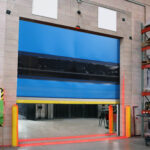
- Clean Room
Stainless steel or composite materials help maintain clean rooms.
-
-
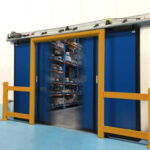
- Coolers
Quick opening speeds & tight seals for temperature control.
-
-
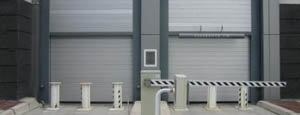
- Parking
Improve security & traffic flow and enhance architectural style.
-
-
- Hurricane Zone
Withstand winds up to 175 mph and comply with the Florida Building Code.
-
-
-
-
- USDA / FDA / cGMP
Increase productivity & address stringent USDA, FDA & cGMP requirements.
-
-
- Freezers
High-speed & perimeter seals minimize the air exchange between areas.
-
-
- Security
High speed & durability ensure secure access.
-
-
- Ventilation
Perforated or screen door panels allow improved air circulation.
-
-
-
-
- Fire Station Emergency Response
When time is of the essence, high speed and reliability are crucial.
-
-
- Warehousing
Fast cycle times and secure seals keep environments separated.
-
-
- Loading Dock
Rugged design & secure seal for oversized openings.
-
-
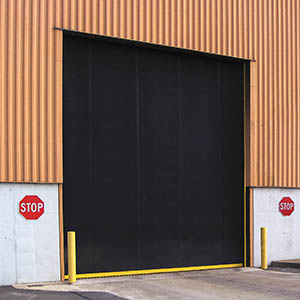
- Large Openings
Break-away functionality with rugged design seals oversized openings.
-
-
-
-
- Heavy Equipment
Withstands challenges of heavy equipment and fleet truck/car wash environments.
-
-
- Self-Storage
Fast opening speeds and reliable, durable construction keep facilities secure and protected.
-
-
- Industries
-
-
-
- Automotive Dealerships
Reduce energy costs, increase productivity and comfort and enhance customer perception.
-
-
- Cold Storage & Processing
Increase productivity and operational efficiency while reducing energy and maintenance costs.
-
-
- Parking
We offer solutions for Apartment / Condo & Loft, Standalone Parking Facilities and Office Buildings
-
-
-
-
- Food & Beverage
Doors specifically engineered for USDA/FDA and cGMP environments, and assured compliance for uncompromising performance.
-
-
- Mfg/Dist/Warehousing
A complete product line allows facilities to increase efficiency and safety and reduce maintenance and energy costs.
-
-
- Government
Ensure effective security and environmental controls are maintained for critical government operations.
-
-
-
-
- Transit
Keep operations running smoothly and efficient while reducing energy and maintenance costs.
-
-
- Pharma, Nutraceutical & Biotech
Doors that offer quick, secure access, environmental control and reliability for life science facilities.
-
-
- Support Resources
- Parts
- Contact Us
- Blog/News
- Why Rytec
- Sales Rep Locator
- Careers
- Dealers
- Architectural Resources



















How to Choose the Best Drill Accessories in 2026?
Choosing the best Drill Accessories in 2026 requires more than comparing prices or counting pieces in a kit. The correct bit must match the material, drill speed, torque, and expected workload. A masonry bit for concrete behaves very differently from a cobalt bit cutting stainless steel. Small mismatches can create heat, wandering holes, damaged surfaces, and wasted time.
Market evidence supports closer selection. Grand View Research reports continued growth in the global power tools market through 2030, driven by construction, manufacturing, renovation, and cordless equipment. Allied Market Research also identifies rising demand for professional-grade tools and compatible accessories. These reports focus mainly on power tools, not every accessory category. That limitation matters. Accessory-specific forecasts often use different definitions, making direct comparisons imperfect.
Kenny Koehler, editor-in-chief of Pro Tool Reviews, offers a useful practical warning: “The accessory determines how much of the tool’s potential reaches the material.” His point is easy to test. A sharp bit produces a clean entry, controlled chips, and less pressure at the handle. A poor bit may squeal, smoke, or leave a rough hole within seconds. This guide examines Drill Accessories through performance, material compatibility, durability, safety, and total cost per job. It will compare drill bits, hole saws, drivers, sanding attachments, and specialty sets. Not every premium accessory is worthwhile. Sometimes, a modest set performs better because it matches the user’s actual tasks. That is where careful judgment begins.
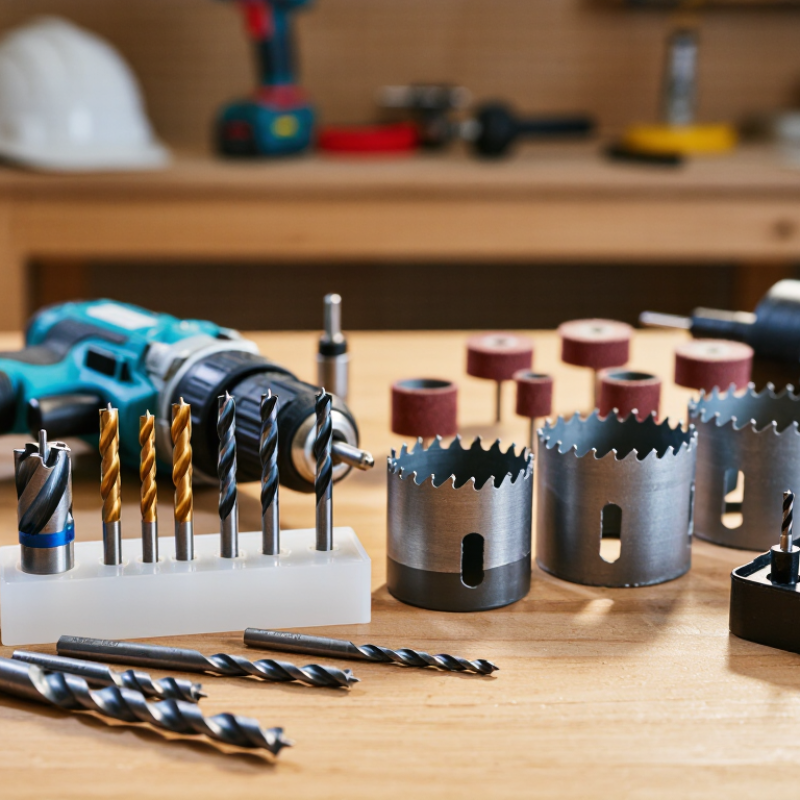
Table of Contents [Hide]
Identify Your Drilling Needs and Project Requirements
Choosing drill accessories starts with the material, not the tool drawer. A pilot hole in pine needs different geometry than a hole in brick, tile, or stainless steel. Identify the substrate, hole diameter, depth, and expected quantity before buying anything. For concrete, masonry bits with carbide tips handle mineral surfaces better. For metal, use bits designed for heat control and cutting pressure. For tile, a spear-shaped tip can reduce surface chipping.
Project scale matters too. The U.S. Geological Survey reported approximately 4.1 billion metric tons of cement produced worldwide in 2023. That figure reflects the huge volume of masonry and concrete work requiring suitable drilling accessories. However, construction volume does not justify choosing the most aggressive bit. A small repair may need only one precise hole. A renovation may require dust control, extension shafts, and several diameter options. Measure twice.
Match the accessory to the drilling conditions. Check the chuck type, maximum speed, torque, cooling method, and access angle. Long bits can reach awkward cavities, but they may flex and wander. Shorter bits often provide better control. In metal, excessive pressure can create heat, dulling the cutting edge quickly. In tile, rushing is a common mistake. Slow speed and steady alignment usually matter more than force. The U.S. Department of Energy’s Industrial Decarbonization Roadmap notes that industry consumes about 30% of U.S. energy, so efficient drilling also deserves attention. I would still test one hole first; material density can defeat even a carefully chosen accessory.