
- High-Performance Doors
-
- Applications
-
-
-
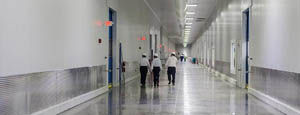
- Clean Room
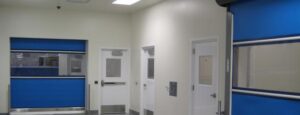
Stainless steel or composite materials help maintain clean rooms.
-
-
- Coolers
Quick opening speeds & tight seals for temperature control.
-
-
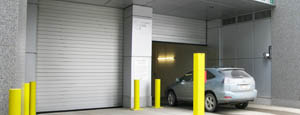
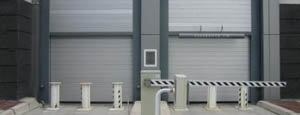
- Parking
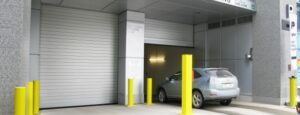
Improve security & traffic flow and enhance architectural style.
-
-
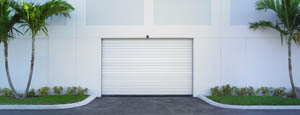
- Hurricane Zone
Withstand winds up to 175 mph and comply with the Florida Building Code.
-
-
-
-
- USDA / FDA / cGMP
Increase productivity & address stringent USDA, FDA & cGMP requirements.
-
-
- Freezers
High-speed & perimeter seals minimize the air exchange between areas.
-
-
- Security
High speed & durability ensure secure access.
-
-
- Ventilation
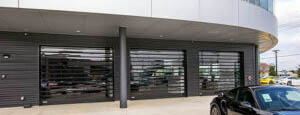
Perforated or screen door panels allow improved air circulation.
-
-
-
-
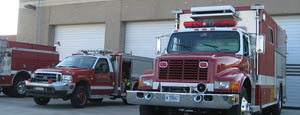
- Fire Station Emergency Response
When time is of the essence, high speed and reliability are crucial.
-
-
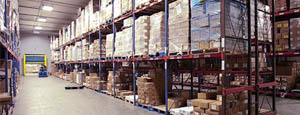
- Warehousing
Fast cycle times and secure seals keep environments separated.
-
-
- Loading Dock
Rugged design & secure seal for oversized openings.
-
-
- Large Openings
Break-away functionality with rugged design seals oversized openings.
-
-
-
-
- Heavy Equipment
Withstands challenges of heavy equipment and fleet truck/car wash environments.
-
-
- Self-Storage
Fast opening speeds and reliable, durable construction keep facilities secure and protected.
-
-
- Industries
-
-
-
- Automotive Dealerships
Reduce energy costs, increase productivity and comfort and enhance customer perception.
-
-
- Cold Storage & Processing
Increase productivity and operational efficiency while reducing energy and maintenance costs.
-
-
- Parking
We offer solutions for Apartment / Condo & Loft, Standalone Parking Facilities and Office Buildings
-
-
-
-
- Food & Beverage
Doors specifically engineered for USDA/FDA and cGMP environments, and assured compliance for uncompromising performance.
-
-
- Mfg/Dist/Warehousing
A complete product line allows facilities to increase efficiency and safety and reduce maintenance and energy costs.
-
-
- Government
Ensure effective security and environmental controls are maintained for critical government operations.
-
-
-
-
- Transit
Keep operations running smoothly and efficient while reducing energy and maintenance costs.
-
-
- Pharma, Nutraceutical & Biotech
Doors that offer quick, secure access, environmental control and reliability for life science facilities.
-
-
- Support Resources
- Parts
- Contact Us
- Blog/News
- Why Rytec
- Sales Rep Locator
- Careers
- Dealers
- Architectural Resources










How to Choose the Best Steel Security Door in 2026?
Choosing the right Steel Security Door in 2026 requires more than comparing prices and surface finishes. A dependable door should protect your home, support daily comfort, and remain practical for years. The strongest choice balances steel quality, frame construction, locking performance, insulation, and installation accuracy.
Think about the entrance itself. Is it exposed to heavy rain, coastal air, strong sunlight, or frequent family use? A thick steel panel may look impressive, but weak hinges or an unsuitable frame can reduce real protection. Check the door’s core, welds, hinge design, threshold, and weather seals. Small details matter.
Security should never mean unnecessary inconvenience. A door that closes smoothly is easier to use every morning. A clear viewing panel, controlled access system, and reliable emergency operation can improve confidence. However, technology is not automatically better. Electronic locks need power, maintenance, and sensible backup planning.
This guide examines the features that deserve careful attention in 2026. It considers performance, appearance, maintenance, installation, and long-term value. Product claims should be checked against test evidence and professional recommendations. Marketing language can sound convincing.
A practical test helps. Open and close the sample door several times. Listen for rattling. Inspect the corners. Feel the seal compress against the frame. These observations reveal more than photographs.
No door is perfect. Your building, budget, climate, and habits will shape the final decision. The goal is not to buy the heaviest model. It is to choose a balanced entrance that performs reliably in real life.
Table of Contents [Hide]
Define Security Needs Using EN 1627 RC2–RC6 Resistance Classes
How to Choose the Best Steel Security Door in 2026?
Choosing a steel security door should begin with the threat, not the advertised steel thickness. EN 1627 classifies complete door sets from RC2 to RC6. Each class reflects resistance against defined attack methods, tools, and test time. RC2 suits homes facing opportunistic attempts. RC3 offers stronger protection against crowbars and screwdrivers. RC4 addresses determined attackers using heavier hand tools. RC5 and RC6 involve increasingly powerful tools and demanding test conditions.
The rating belongs to the complete assembly. That includes the leaf, frame, hinges, locks, glazing, and fixings. A strong panel cannot compensate for a weak frame. Installation quality matters just as much. Check the test report, certificate scope, approved hardware, and wall connection details. Ask whether the tested configuration matches your planned door, not merely a similar model. Small differences can matter.
Consider location, valuables, occupancy, emergency access, and daily use. An RC6 door may be excessive for a private apartment and difficult to operate regularly. An RC2 door may be unsuitable for an isolated warehouse. I have seen specifications focus too heavily on thickness and ignore installation. That approach needs reconsideration. Security is also practical: inspect hinges, verify lock operation, and maintain moving parts. No resistance class guarantees absolute protection. It describes tested performance under controlled conditions, not every real-world situation.