
- High-Performance Doors
-
- Applications
-
-
-
- Clean Room
Stainless steel or composite materials help maintain clean rooms.
-
-
- Coolers
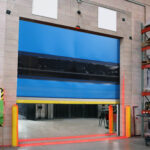
Quick opening speeds & tight seals for temperature control.
-
-
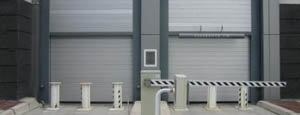
- Parking
Improve security & traffic flow and enhance architectural style.
-
-
- Hurricane Zone
Withstand winds up to 175 mph and comply with the Florida Building Code.
-
-
-
-
- USDA / FDA / cGMP
Increase productivity & address stringent USDA, FDA & cGMP requirements.
-
-
- Freezers
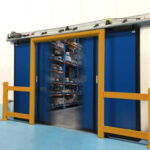
High-speed & perimeter seals minimize the air exchange between areas.
-
-
- Security
High speed & durability ensure secure access.
-
-
- Ventilation
Perforated or screen door panels allow improved air circulation.
-
-
-
-
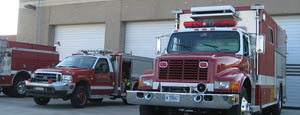
- Fire Station Emergency Response
When time is of the essence, high speed and reliability are crucial.
-
-
- Warehousing
Fast cycle times and secure seals keep environments separated.
-
-
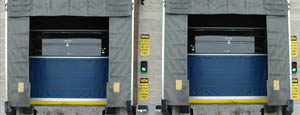
- Loading Dock
Rugged design & secure seal for oversized openings.
-
-
- Large Openings
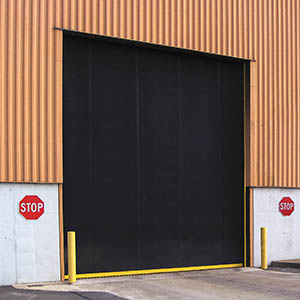
Break-away functionality with rugged design seals oversized openings.
-
-
-
-
- Heavy Equipment
Withstands challenges of heavy equipment and fleet truck/car wash environments.
-
-
- Self-Storage
Fast opening speeds and reliable, durable construction keep facilities secure and protected.
-
-
- Industries
-
-
-
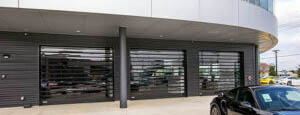
- Automotive Dealerships
Reduce energy costs, increase productivity and comfort and enhance customer perception.
-
-
- Cold Storage & Processing
Increase productivity and operational efficiency while reducing energy and maintenance costs.
-
-
- Parking
We offer solutions for Apartment / Condo & Loft, Standalone Parking Facilities and Office Buildings
-
-
-
-
- Food & Beverage
Doors specifically engineered for USDA/FDA and cGMP environments, and assured compliance for uncompromising performance.
-
-
- Mfg/Dist/Warehousing
A complete product line allows facilities to increase efficiency and safety and reduce maintenance and energy costs.
-
-
- Government
Ensure effective security and environmental controls are maintained for critical government operations.
-
-
-
-
- Transit
Keep operations running smoothly and efficient while reducing energy and maintenance costs.
-
-
- Pharma, Nutraceutical & Biotech
Doors that offer quick, secure access, environmental control and reliability for life science facilities.
-
-
- Support Resources
- Parts
- Contact Us
- Blog/News
- Why Rytec
- Sales Rep Locator
- Careers
- Dealers
- Architectural Resources

















How to Choose the Right Dry Type Transformer?
Choosing the right Dry-Type Transformer is not simply a matter of matching voltage and power. The decision affects safety, efficiency, maintenance, noise, and the usable life of an electrical system. A unit that looks suitable on a specification sheet may perform poorly in a hot plant room, a dusty workshop, or a high-rise electrical closet.
John J. Winders Jr., author of Power Transformers: Principles and Applications, stated, “The transformer is one of the most reliable pieces of electrical equipment in the power system.” Reliability, however, depends on correct selection and installation. Buyers should examine load capacity, insulation class, temperature rise, cooling method, enclosure rating, short-circuit strength, and available space. A 1,000 kVA transformer may fit the load calculation, yet its ventilation requirements can make the installation impractical.
Look beyond the nameplate.
Real operating conditions matter. Measure the room temperature, humidity, altitude, harmonic content, and daily load pattern. Consider whether the transformer will serve a hospital, data center, factory, commercial building, or renewable-energy system. Each environment creates different risks. Cast-resin designs often suit demanding indoor locations, while other applications may favor ventilated units with easier inspection access.
Cost deserves careful judgment. The cheapest purchase price can hide higher losses, louder operation, or frequent cleaning. I have seen selection discussions focus too heavily on initial cost. That approach feels efficient, but it can age badly. A sound choice balances purchase price, energy consumption, service access, fire considerations, and future expansion. This guide explains those factors clearly, while acknowledging one uncomfortable truth: no transformer is ideal for every project.
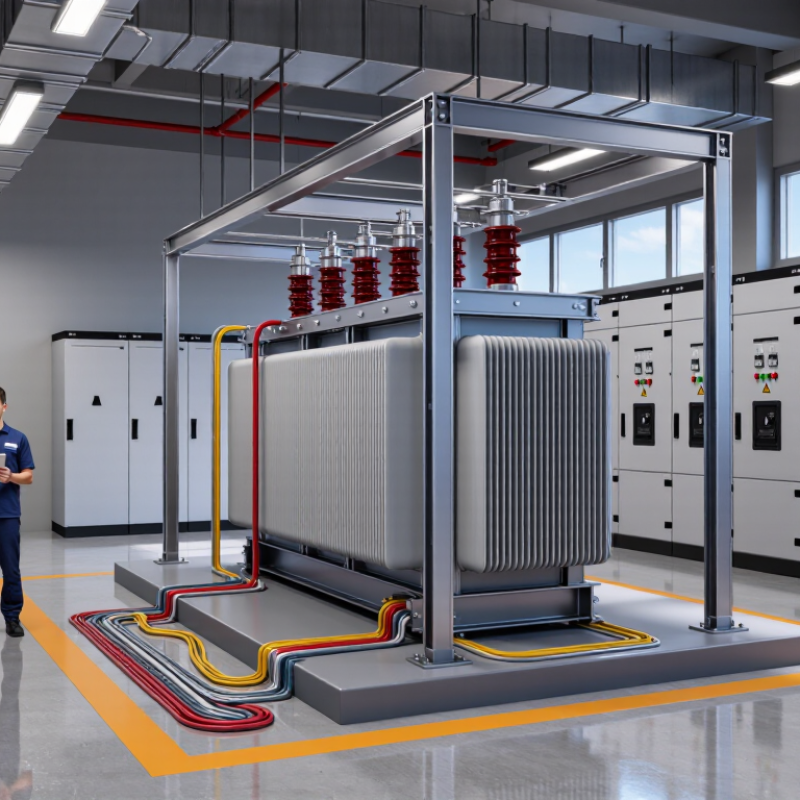
Table of Contents [Hide]
Define kVA Demand, Diversity, and Future Growth with a 25% Reserve
How to Choose the Right Dry Type Transformer?
Choosing a dry type transformer starts with measured demand, not connected load alone. Measure actual loads. List motors, lighting, heating equipment, controls, and nonlinear devices. Record each load in watts or amperes, then convert the expected operating demand to kVA. A spreadsheet can look precise and still be wrong. Startup current, seasonal operation, and unexpected equipment use often change the result.
Apply diversity carefully. Not every load operates at full capacity simultaneously, so combining nameplate ratings may oversize the transformer. However, diversity should reflect real operating patterns, not optimistic assumptions. A production area may run several motors together during one shift. An office may reach peak demand when cooling, lighting, and computers operate together. Field measurements and facility schedules provide stronger evidence than guesswork.
After estimating diversified demand, add a 25% reserve for future growth. For example, a calculated demand of 400 kVA suggests a transformer near 500 kVA, subject to standard ratings and engineering review. This reserve can support new circuits and moderate expansion without immediate replacement. It should not compensate for poor load data. Check ambient temperature, ventilation, altitude, harmonics, motor starting, and enclosure conditions before final selection. I have seen projects reserve capacity yet overlook harmonic heating from electronic loads. That mistake deserves a second review.