
- High-Performance Doors
-
- Applications
-
-
-
- Clean Room
Stainless steel or composite materials help maintain clean rooms.
-
-
- Coolers
Quick opening speeds & tight seals for temperature control.
-
-
- Parking
Improve security & traffic flow and enhance architectural style.
-
-
- Hurricane Zone
Withstand winds up to 175 mph and comply with the Florida Building Code.
-
-
-
-
- USDA / FDA / cGMP
Increase productivity & address stringent USDA, FDA & cGMP requirements.
-
-
- Freezers
High-speed & perimeter seals minimize the air exchange between areas.
-
-
- Security
High speed & durability ensure secure access.
-
-
- Ventilation
Perforated or screen door panels allow improved air circulation.
-
-
-
-
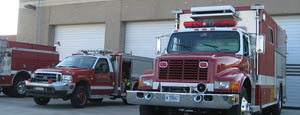
- Fire Station Emergency Response
When time is of the essence, high speed and reliability are crucial.
-
-
- Warehousing
Fast cycle times and secure seals keep environments separated.
-
-
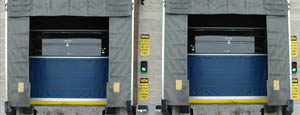
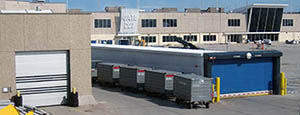
- Loading Dock
Rugged design & secure seal for oversized openings.
-
-
- Large Openings
Break-away functionality with rugged design seals oversized openings.
-
-
-
-
- Heavy Equipment
Withstands challenges of heavy equipment and fleet truck/car wash environments.
-
-
- Self-Storage
Fast opening speeds and reliable, durable construction keep facilities secure and protected.
-
-
- Industries
-
-
-
- Automotive Dealerships
Reduce energy costs, increase productivity and comfort and enhance customer perception.
-
-
- Cold Storage & Processing
Increase productivity and operational efficiency while reducing energy and maintenance costs.
-
-
- Parking
We offer solutions for Apartment / Condo & Loft, Standalone Parking Facilities and Office Buildings
-
-
-
-
- Food & Beverage
Doors specifically engineered for USDA/FDA and cGMP environments, and assured compliance for uncompromising performance.
-
-
- Mfg/Dist/Warehousing
A complete product line allows facilities to increase efficiency and safety and reduce maintenance and energy costs.
-
-
- Government
Ensure effective security and environmental controls are maintained for critical government operations.
-
-
-
-
- Transit
Keep operations running smoothly and efficient while reducing energy and maintenance costs.
-
-
- Pharma, Nutraceutical & Biotech
Doors that offer quick, secure access, environmental control and reliability for life science facilities.
-
-
- Support Resources
- Parts
- Contact Us
- Blog/News
- Why Rytec
- Sales Rep Locator
- Careers
- Dealers
- Architectural Resources



















How to Choose the Right Grab Hook for Global Sourcing?
Choosing the right Grab Hook for global sourcing requires more than comparing prices or browsing polished product photos. The decision begins with the load, chain grade, working load limit, and intended lifting environment. A hook that looks robust may still have a narrow throat, weak latch, or unclear markings. Small details matter.
Rigging specialist Chris Sorensen often reminds purchasing teams, “The right hook begins with the load, not the supplier.” This principle keeps buyers focused on performance rather than attractive catalogs. A professional evaluation should check forged construction, heat treatment, safety latch design, surface finish, dimensional accuracy, and traceable inspection records. Certificates should match the actual batch, not merely describe a standard product.
Global sourcing adds practical pressure. Samples may travel thousands of miles before anyone tests them. Packaging can hide corrosion, while inconsistent thread sizes or chain compatibility may appear only during assembly. Ask suppliers for drawings, material information, proof-test evidence, and clear working load limits. Compare the same specifications across several factories.
Do not trust claims blindly.
An experienced buyer can still miss a critical detail. I have seen sourcing decisions focus heavily on unit cost while overlooking replacement availability and inspection support. That weakness deserves attention. The cheapest Grab Hook may create higher costs through delays, rejected shipments, or unsafe handling. A reliable choice balances engineering evidence, supplier communication, repeatable quality, and realistic field use. This guide explains how to examine those factors before placing a global order.
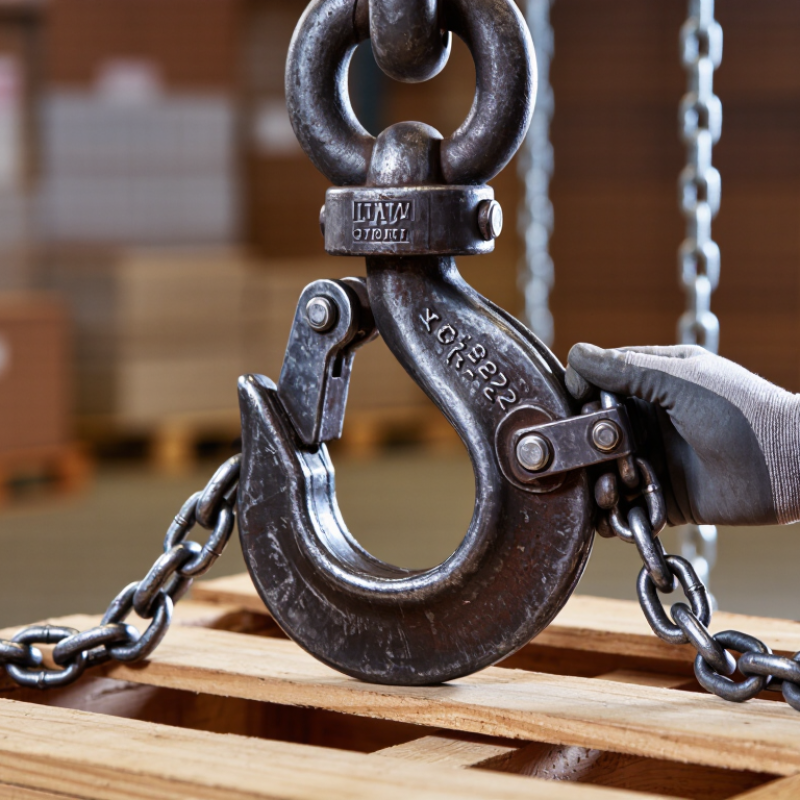
Table of Contents [Hide]
Define the Load Requirements for Your Grab Hook
Choosing a grab hook for global sourcing starts with a clear load profile, not a catalog picture. Record the maximum working load, lifting angle, load shape, attachment size, and expected lift frequency. Separate the working load limit from breaking strength. The hook must match the complete lifting system, including chain grade, connection hardware, and the supporting point. Never treat a larger hook as automatically safer. Fit matters.
Angle changes the force placed on the hook and connected equipment. At a 60-degree sling angle, each leg carries more tension than the vertical load alone. Account for shock loading, swinging, sudden stops, and repeated handling. Temperature, moisture, dust, and corrosive exposure can also affect material performance. During site reviews, I have seen teams measure only the load weight and overlook the lifting angle. That shortcut creates an incomplete specification.
One detail is often missed: the hook must seat correctly on the load. Measure contact thickness, edge radius, opening access, and the direction of pull. Uneven loading can twist the hook. If the load shifts, side loading may occur, even when the original estimate looked acceptable. That assumption deserves review.
Before requesting quotations, provide verified dimensions and realistic operating conditions. Ask for material details, rated capacity, inspection guidance, and traceable test documentation. Compare equivalent specifications, not attractive prices alone. Keep photographs and measurement records with the sourcing file. If a dimension is uncertain, mark it for verification before ordering.