
- High-Performance Doors
-
- Applications
-
-
-
- Clean Room
Stainless steel or composite materials help maintain clean rooms.
-
-
- Coolers
Quick opening speeds & tight seals for temperature control.
-
-
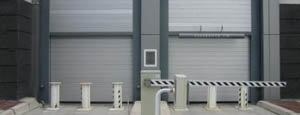
- Parking
Improve security & traffic flow and enhance architectural style.
-
-
- Hurricane Zone
Withstand winds up to 175 mph and comply with the Florida Building Code.
-
-
-
-
- USDA / FDA / cGMP
Increase productivity & address stringent USDA, FDA & cGMP requirements.
-
-
- Freezers
High-speed & perimeter seals minimize the air exchange between areas.
-
-
- Security
High speed & durability ensure secure access.
-
-
- Ventilation
Perforated or screen door panels allow improved air circulation.
-
-
-
-
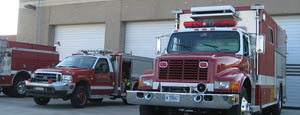
- Fire Station Emergency Response
When time is of the essence, high speed and reliability are crucial.
-
-
- Warehousing
Fast cycle times and secure seals keep environments separated.
-
-
- Loading Dock
Rugged design & secure seal for oversized openings.
-
-
- Large Openings
Break-away functionality with rugged design seals oversized openings.
-
-
-
-
- Heavy Equipment
Withstands challenges of heavy equipment and fleet truck/car wash environments.
-
-
- Self-Storage
Fast opening speeds and reliable, durable construction keep facilities secure and protected.
-
-
- Industries
-
-
-
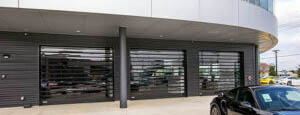
- Automotive Dealerships
Reduce energy costs, increase productivity and comfort and enhance customer perception.
-
-
- Cold Storage & Processing
Increase productivity and operational efficiency while reducing energy and maintenance costs.
-
-
- Parking
We offer solutions for Apartment / Condo & Loft, Standalone Parking Facilities and Office Buildings
-
-
-
-
- Food & Beverage
Doors specifically engineered for USDA/FDA and cGMP environments, and assured compliance for uncompromising performance.
-
-
- Mfg/Dist/Warehousing
A complete product line allows facilities to increase efficiency and safety and reduce maintenance and energy costs.
-
-
- Government
Ensure effective security and environmental controls are maintained for critical government operations.
-
-
-
-
- Transit
Keep operations running smoothly and efficient while reducing energy and maintenance costs.
-
-
- Pharma, Nutraceutical & Biotech
Doors that offer quick, secure access, environmental control and reliability for life science facilities.
-
-
- Support Resources
- Parts
- Contact Us
- Blog/News
- Why Rytec
- Sales Rep Locator
- Careers
- Dealers
- Architectural Resources

















How to Choose an EV Charger Type 2 in 2026?
Choosing an Ev Charger Type 2 in 2026 is no longer a simple plug-and-play decision. European drivers face more electric models, variable tariffs, and increasingly busy home circuits. The International Energy Agency’s Global EV Outlook 2024 reported more than 14 million electric car sales worldwide in 2023. It also recorded public charging points exceeding four million globally. Demand is moving quickly.
Type 2 charging remains central across Europe. The IEC 62196-2 standard supports single-phase and three-phase AC charging. Many home units deliver 7.4 kW, 11 kW, or 22 kW. Your vehicle may accept less. Your building may supply less. That detail matters. A 22 kW charger cannot create extra grid capacity.
CharIN expert Claas Bracklo has stressed, “Interoperability is essential for successful electric mobility.” That principle belongs beside every specification sheet. Check connector compatibility, residual-current protection, cable length, load balancing, app reliability, and outdoor safety ratings. The European Alternative Fuels Observatory also shows charging infrastructure expanding rapidly, yet coverage remains uneven between regions. A charger that works perfectly in a detached garage may disappoint in an apartment car park.
There is no universal winner. A smaller 7.4 kW unit may suit overnight charging and limited electrical capacity. An 11 kW model often offers a practical balance. A 22 kW system may be unnecessary without three-phase power. That part is easy to overlook.
Real ownership reveals the gaps. Rain reaches the driveway. Firmware updates fail. Cable weight becomes annoying after a long day. This guide compares Ev Charger Type 2 options through those everyday details, not specifications alone. Expect useful answers, but verify local installation requirements before purchasing.
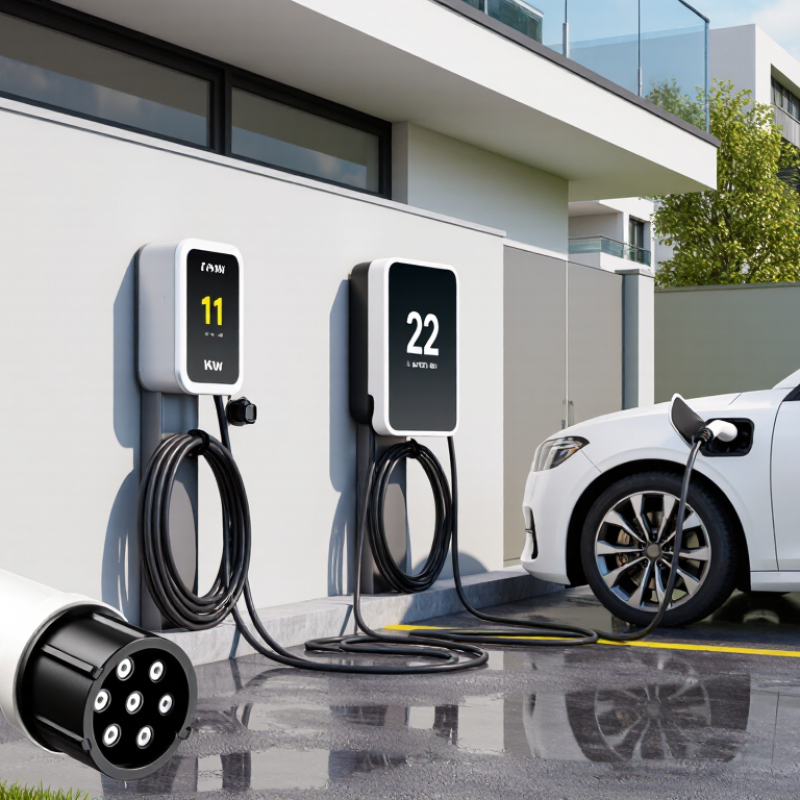
Table of Contents [Hide]
Understand Type 2 EV Charging and Its Role in 2026
Type 2 EV charging remains central to everyday electric mobility in 2026. It is an AC connection standard covered by IEC 62196-2. Many European vehicles and public charging points use it. However, Type 2 does not automatically mean fast charging. The vehicle’s onboard charger sets the actual AC limit.
A careful choice begins with your daily driving pattern. A 7.4 kW unit may suit overnight home charging. A three-phase 11 kW unit can refill many batteries during a working day. A 22 kW charger sounds attractive, but the car and property supply must support it. Otherwise, its extra capacity stays unused. Check the vehicle manual, household phases, cable rating, and available electrical capacity before buying.
Smart functions matter more in 2026. Load balancing can reduce the risk of overloading a home circuit. Scheduled charging may use cheaper or cleaner electricity. Look for adjustable current settings, weather protection, clear fault indicators, and residual-current protection. A tethered cable is convenient, while a socketed model offers more cable flexibility. Neither choice is perfect. In cold weather, cable handling becomes less pleasant. In shared parking areas, access control and impact resistance deserve attention. Professional installation is not a decorative extra; poor wiring can cause heat, nuisance trips, or long-term damage. I would also question claims about future vehicle compatibility, because charging standards evolve unevenly across regions.