
- High-Performance Doors
-
- Applications
-
-
-
- Clean Room
Stainless steel or composite materials help maintain clean rooms.
-
-
- Coolers
Quick opening speeds & tight seals for temperature control.
-
-
- Parking
Improve security & traffic flow and enhance architectural style.
-
-
- Hurricane Zone
Withstand winds up to 175 mph and comply with the Florida Building Code.
-
-
-
-
- USDA / FDA / cGMP
Increase productivity & address stringent USDA, FDA & cGMP requirements.
-
-
- Freezers
High-speed & perimeter seals minimize the air exchange between areas.
-
-
- Security
High speed & durability ensure secure access.
-
-
- Ventilation
Perforated or screen door panels allow improved air circulation.
-
-
-
-
- Fire Station Emergency Response
When time is of the essence, high speed and reliability are crucial.
-
-
- Warehousing
Fast cycle times and secure seals keep environments separated.
-
-
- Loading Dock
Rugged design & secure seal for oversized openings.
-
-
- Large Openings
Break-away functionality with rugged design seals oversized openings.
-
-
-
-
- Heavy Equipment
Withstands challenges of heavy equipment and fleet truck/car wash environments.
-
-
- Self-Storage
Fast opening speeds and reliable, durable construction keep facilities secure and protected.
-
-
- Industries
-
-
-
- Automotive Dealerships
Reduce energy costs, increase productivity and comfort and enhance customer perception.
-
-
- Cold Storage & Processing
Increase productivity and operational efficiency while reducing energy and maintenance costs.
-
-
- Parking
We offer solutions for Apartment / Condo & Loft, Standalone Parking Facilities and Office Buildings
-
-
-
-
- Food & Beverage
Doors specifically engineered for USDA/FDA and cGMP environments, and assured compliance for uncompromising performance.
-
-
- Mfg/Dist/Warehousing
A complete product line allows facilities to increase efficiency and safety and reduce maintenance and energy costs.
-
-
- Government
Ensure effective security and environmental controls are maintained for critical government operations.
-
-
-
-
- Transit
Keep operations running smoothly and efficient while reducing energy and maintenance costs.
-
-
- Pharma, Nutraceutical & Biotech
Doors that offer quick, secure access, environmental control and reliability for life science facilities.
-
-
- Support Resources
- Parts
- Contact Us
- Blog/News
- Why Rytec
- Sales Rep Locator
- Careers
- Dealers
- Architectural Resources























How to Effectively Slide and Fold Clothes for Maximum Space Saving?
Maximizing space in closets and drawers can feel daunting. With efficient techniques, you can slide and fold your clothes neatly. This method not only saves space but also keeps your wardrobe organized.
Imagine opening a drawer to find everything visible and accessible. The sliding technique allows clothes to move easily, preventing wrinkles. When you fold them properly, each piece fits snugly. This creates a visual appeal that encourages you to keep your space tidy.
However, it requires practice. Not every fold may turn out perfect initially. You might feel frustrated with uneven edges. Reflection on these little imperfections can lead to improvement. Keep trying; the goal is to find what works best for you. Happy organizing!
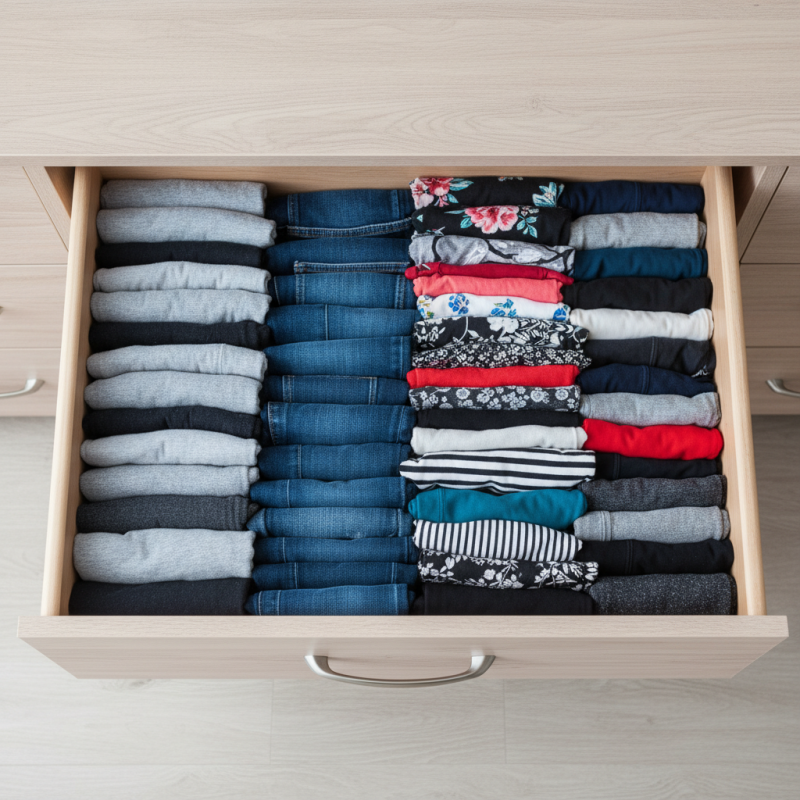
Table of Contents
[Hide]
Understanding the Basics of Clothing Folding Techniques
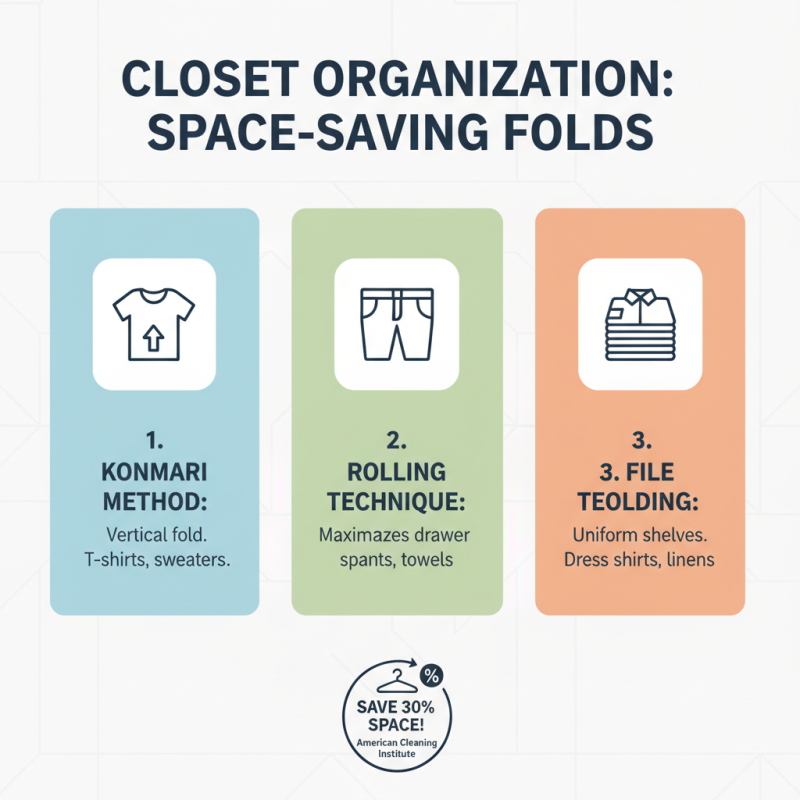
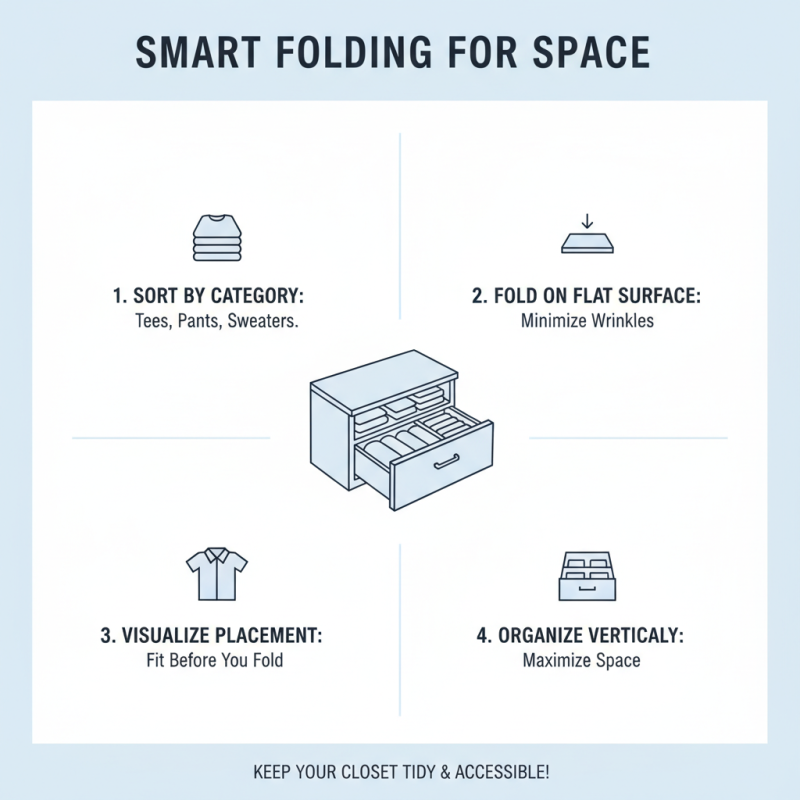
Understanding the basics of clothing folding techniques can transform your storage solutions. A tidy closet not only looks better; it also saves space. According to the American Cleaning Institute, efficient organization can save up to 30% of space in drawers and closets.
To maximize your storage, consider the "file folding" method. This technique allows you to stand clothes upright. By folding garments into small rectangles, they fit neatly side by side. This method not only saves space but also makes it easier to see all your options at once.
**Tip:** Aim for uniform size when folding, as this increases efficiency.
Another great technique is the "spring roll" method for t-shirts. Start by folding the sides in, then roll tightly from the bottom to the top. This compact system is easy to store and access.
**Tip:** Compare your folded versus rolled clothes. You may find one method frees more space than the other.
Experimenting with these techniques promotes better organization. Assessing your method periodically can help refine your approach. Adjust as needed, even if everything doesn't fit perfectly at first. Small improvements can yield significant results over time.
Related Posts
-

Ultimate Guide to Slide and Fold Techniques for Stunning Presentations
-
What is a Rytec Door and Why Are They Essential for Your Business
-

Why Overhead Coiling Doors are the Best Choice for Your Business Security and Efficiency
-

Top 10 Tips for Choosing a Hurricane Rated Garage Door for Your Home
-

Innovative Folding Doors Transforming Spaces with Style and Functionality
-

Top 5 High Speed Doors for Efficient Industrial Operations