
- High-Performance Doors
-
- Applications
-
-
-
- Clean Room
Stainless steel or composite materials help maintain clean rooms.
-
-
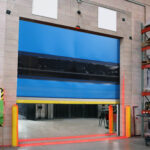
- Coolers
Quick opening speeds & tight seals for temperature control.
-
-
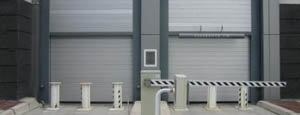
- Parking
Improve security & traffic flow and enhance architectural style.
-
-
- Hurricane Zone
Withstand winds up to 175 mph and comply with the Florida Building Code.
-
-
-
-
- USDA / FDA / cGMP
Increase productivity & address stringent USDA, FDA & cGMP requirements.
-
-
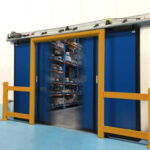
- Freezers
High-speed & perimeter seals minimize the air exchange between areas.
-
-
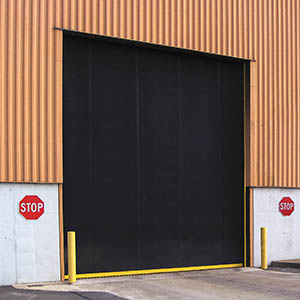
- Security
High speed & durability ensure secure access.
-
-
- Ventilation
Perforated or screen door panels allow improved air circulation.
-
-
-
-
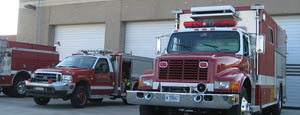
- Fire Station Emergency Response
When time is of the essence, high speed and reliability are crucial.
-
-
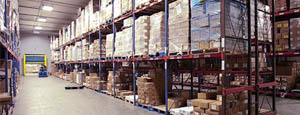
- Warehousing
Fast cycle times and secure seals keep environments separated.
-
-
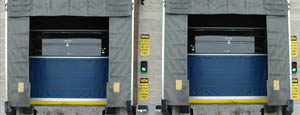
- Loading Dock
Rugged design & secure seal for oversized openings.
-
-
- Large Openings
Break-away functionality with rugged design seals oversized openings.
-
-
-
-
- Heavy Equipment
Withstands challenges of heavy equipment and fleet truck/car wash environments.
-
-
- Self-Storage
Fast opening speeds and reliable, durable construction keep facilities secure and protected.
-
-
- Industries
-
-
-
- Automotive Dealerships
Reduce energy costs, increase productivity and comfort and enhance customer perception.
-
-
- Cold Storage & Processing
Increase productivity and operational efficiency while reducing energy and maintenance costs.
-
-
- Parking
We offer solutions for Apartment / Condo & Loft, Standalone Parking Facilities and Office Buildings
-
-
-
-
- Food & Beverage
Doors specifically engineered for USDA/FDA and cGMP environments, and assured compliance for uncompromising performance.
-
-
- Mfg/Dist/Warehousing
A complete product line allows facilities to increase efficiency and safety and reduce maintenance and energy costs.
-
-
- Government
Ensure effective security and environmental controls are maintained for critical government operations.
-
-
-
-
- Transit
Keep operations running smoothly and efficient while reducing energy and maintenance costs.
-
-
- Pharma, Nutraceutical & Biotech
Doors that offer quick, secure access, environmental control and reliability for life science facilities.
-
-
- Support Resources
- Parts
- Contact Us
- Blog/News
- Why Rytec
- Sales Rep Locator
- Careers
- Dealers
- Architectural Resources

















How to Find Reliable Heavy Machinery Spare Parts Suppliers
Finding reliable Heavy Machinery Spare Parts suppliers is not simply a pricing exercise. It is a reliability decision that affects safety, productivity, and operating costs. A genuine supplier should understand excavators, loaders, bulldozers, and the pressure of demanding work sites.
Caterpillar Chairman and CEO Jim Umpleby has stated, “Our customers are at the center of everything we do.” This principle applies directly to spare parts purchasing. A dependable supplier should ask for the machine model, serial number, operating conditions, and required delivery date. Vague answers are warning signs.
Look beyond a polished website. Examine manufacturer authorizations, technical certificates, warranty terms, stock accuracy, and customer feedback. Ask whether the supplier can provide traceable part numbers and clear compatibility records. A correct-looking seal, filter, or hydraulic pump may still fail if its material or dimensions are wrong.
Price matters.
However, the cheapest component may create expensive downtime. One damaged hydraulic fitting can stop a machine beside a muddy excavation, while an unverified filter may contaminate an entire system. These details are easy to underestimate. They should not be.
A practical evaluation also requires honest reflection. Even experienced buyers can trust attractive claims too quickly. Supplier performance should be checked through small orders, response times, documentation, and after-sales support. Reliable partnerships develop through evidence, not promises. This guide explains how to assess Heavy Machinery Spare Parts suppliers with greater confidence, fewer assumptions, and a stronger focus on long-term machine performance.
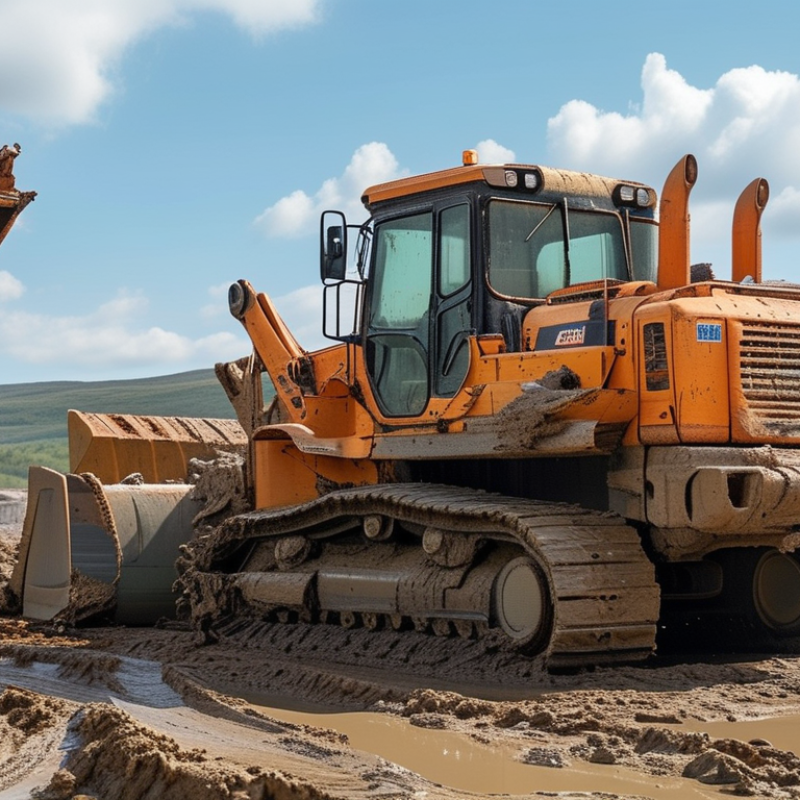
Table of Contents [Hide]
Understanding the Role of Reliable Heavy Machinery Parts Suppliers
How to Find Reliable Heavy Machinery Spare Parts Suppliers
Reliable heavy machinery parts suppliers do more than ship replacement components. They protect equipment uptime, operating safety, and maintenance budgets. In my experience, a dependable supplier asks for the machine model, serial number, operating conditions, and installation details. This prevents costly compatibility mistakes. A serious supplier can provide material specifications, dimensional drawings, inspection records, and clear warranty terms. Traceable documentation matters when a part fails after weeks of demanding work.
Tips: Check whether the supplier explains its quality process. Ask how incoming materials are inspected and stored. Request realistic lead times, not attractive promises. Confirm packaging standards, return procedures, and technical support. A useful supplier communicates delays early and offers practical alternatives. Short answers can be a warning sign. So can incomplete certificates.
Price still matters, but it should not control every decision. A cheaper seal, filter, or hydraulic component may wear quickly under dust, heat, or heavy loads. I once focused too much on delivery speed and overlooked a small specification difference. The part fitted, but performance was inconsistent. That mistake changed my supplier evaluation process. I now compare technical evidence, field experience, and after-sales response together. Reliable suppliers also listen to maintenance teams, because real operating feedback can reveal problems that factory documents miss.