
- High-Performance Doors
-
- Applications
-
-
-
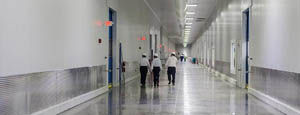
- Clean Room
Stainless steel or composite materials help maintain clean rooms.
-
-
- Coolers
Quick opening speeds & tight seals for temperature control.
-
-
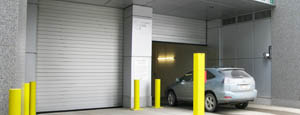
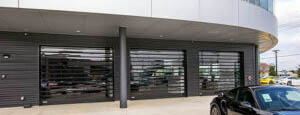
- Parking
Improve security & traffic flow and enhance architectural style.
-
-
- Hurricane Zone
Withstand winds up to 175 mph and comply with the Florida Building Code.
-
-
-
-
- USDA / FDA / cGMP
Increase productivity & address stringent USDA, FDA & cGMP requirements.
-
-
- Freezers
High-speed & perimeter seals minimize the air exchange between areas.
-
-
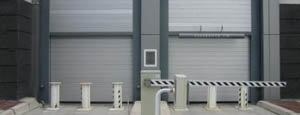
- Security
High speed & durability ensure secure access.
-
-
- Ventilation
Perforated or screen door panels allow improved air circulation.
-
-
-
-
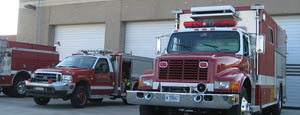
- Fire Station Emergency Response
When time is of the essence, high speed and reliability are crucial.
-
-
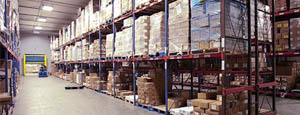
- Warehousing
Fast cycle times and secure seals keep environments separated.
-
-
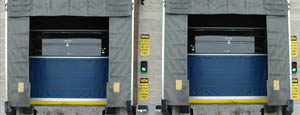
- Loading Dock
Rugged design & secure seal for oversized openings.
-
-
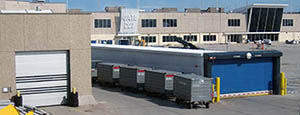
- Large Openings
Break-away functionality with rugged design seals oversized openings.
-
-
-
-
- Heavy Equipment
Withstands challenges of heavy equipment and fleet truck/car wash environments.
-
-
- Self-Storage
Fast opening speeds and reliable, durable construction keep facilities secure and protected.
-
-
- Industries
-
-
-
- Automotive Dealerships
Reduce energy costs, increase productivity and comfort and enhance customer perception.
-
-
- Cold Storage & Processing
Increase productivity and operational efficiency while reducing energy and maintenance costs.
-
-
- Parking
We offer solutions for Apartment / Condo & Loft, Standalone Parking Facilities and Office Buildings
-
-
-
-
- Food & Beverage
Doors specifically engineered for USDA/FDA and cGMP environments, and assured compliance for uncompromising performance.
-
-
- Mfg/Dist/Warehousing
A complete product line allows facilities to increase efficiency and safety and reduce maintenance and energy costs.
-
-
- Government
Ensure effective security and environmental controls are maintained for critical government operations.
-
-
-
-
- Transit
Keep operations running smoothly and efficient while reducing energy and maintenance costs.
-
-
- Pharma, Nutraceutical & Biotech
Doors that offer quick, secure access, environmental control and reliability for life science facilities.
-
-
- Support Resources
- Parts
- Contact Us
- Blog/News
- Why Rytec
- Sales Rep Locator
- Careers
- Dealers
- Architectural Resources














Top RTLS Tags for Global Buyers How to Choose?
Choosing the right Rtls Tags is rarely a simple comparison of range, price, and battery life. Global buyers need a clearer method. A tag that performs well in a warehouse may struggle in a hospital, airport, or outdoor yard. Concrete walls, metal racks, radio interference, and temperature changes can alter tracking results. Real conditions matter more than impressive specifications.
Experienced teams usually begin with the asset, not the product brochure. A pallet may need long battery life and wide coverage. A medical device may require compact design, easy cleaning, and reliable location updates. Workers may need panic buttons, motion sensors, or clear visual indicators. Buyers should also examine installation effort, software compatibility, data security, maintenance access, and regional certification requirements. These details often decide the true cost of ownership.
Performance must be tested on-site.
No single Rtls Tags solution fits every market. Bluetooth Low Energy tags can suit many indoor deployments, while UWB tags may support more precise positioning. RFID options can be practical for fast identification at controlled checkpoints. However, each technology brings trade-offs involving infrastructure, accuracy, power use, and integration complexity. Some vendor claims may sound stronger than field evidence. That deserves careful review.
A reliable selection process includes pilot testing, reference checks, and documented results. Measure location accuracy, battery behavior, alert speed, and network stability during normal operations. Also ask how the supplier handles firmware updates and technical support across regions. Even careful buyers can overlook small issues, such as replacement batteries or inconsistent mounting surfaces. That is worth admitting early. This guide explores leading Rtls Tags and explains how global buyers can compare them with practical, evidence-based judgment.

Table of Contents [Hide]
Understanding RTLS Tags and Their Role in Real-Time Location Systems
RTLS tags are the visible, moving part of a real-time location system. They transmit an identity, location, or sensor reading to connected receivers. The system then displays assets on a digital map. In a warehouse, one tag may sit on a pallet, tool, cart, or worker badge. Technology choices include Bluetooth Low Energy, UWB, RFID, Wi-Fi, and cellular signals. Each supports different accuracy, range, battery life, and installation costs.
The 2023 Global Warehousing Study reported that 73% of warehouse decision-makers planned RFID adoption by 2028. That figure signals stronger demand for trackable inventory. However, a tag alone does not create visibility. Receivers, software, calibration, and reliable data processes matter equally. The 2024 MHI Annual Industry Report also identified connected technologies as a major supply-chain investment area. Buyers should test tags near metal racks, cold rooms, loading doors, and moving machinery. Real sites behave differently.
Choose the tag around the location problem, not the product sheet. UWB suits precise indoor positioning. BLE often offers flexible deployment and longer battery options. Passive RFID can support low-cost item identification, but it may not provide continuous location updates. Check enclosure strength, replacement time, signal performance, and data security. Ask for a live pilot. No tag is perfect. A missed scan can still happen, especially in crowded spaces. I would also question impressive accuracy claims without a measured site trial.