
- High-Performance Doors
-
- Applications
-
-
-
- Clean Room
Stainless steel or composite materials help maintain clean rooms.
-
-
- Coolers
Quick opening speeds & tight seals for temperature control.
-
-
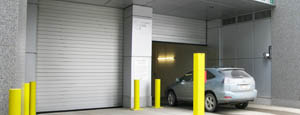
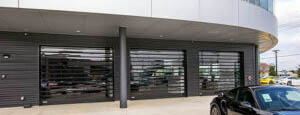
- Parking
Improve security & traffic flow and enhance architectural style.
-
-
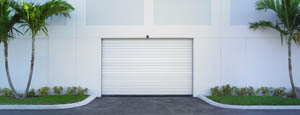
- Hurricane Zone
Withstand winds up to 175 mph and comply with the Florida Building Code.
-
-
-
-
- USDA / FDA / cGMP
Increase productivity & address stringent USDA, FDA & cGMP requirements.
-
-
- Freezers
High-speed & perimeter seals minimize the air exchange between areas.
-
-
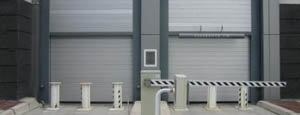
- Security
High speed & durability ensure secure access.
-
-
- Ventilation
Perforated or screen door panels allow improved air circulation.
-
-
-
-
- Fire Station Emergency Response
When time is of the essence, high speed and reliability are crucial.
-
-
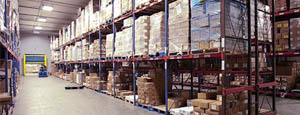
- Warehousing
Fast cycle times and secure seals keep environments separated.
-
-
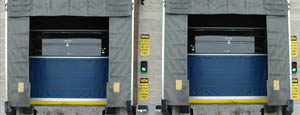
- Loading Dock
Rugged design & secure seal for oversized openings.
-
-
- Large Openings
Break-away functionality with rugged design seals oversized openings.
-
-
-
-
- Heavy Equipment
Withstands challenges of heavy equipment and fleet truck/car wash environments.
-
-
- Self-Storage
Fast opening speeds and reliable, durable construction keep facilities secure and protected.
-
-
- Industries
-
-
-
- Automotive Dealerships
Reduce energy costs, increase productivity and comfort and enhance customer perception.
-
-
- Cold Storage & Processing
Increase productivity and operational efficiency while reducing energy and maintenance costs.
-
-
- Parking
We offer solutions for Apartment / Condo & Loft, Standalone Parking Facilities and Office Buildings
-
-
-
-
- Food & Beverage
Doors specifically engineered for USDA/FDA and cGMP environments, and assured compliance for uncompromising performance.
-
-
- Mfg/Dist/Warehousing
A complete product line allows facilities to increase efficiency and safety and reduce maintenance and energy costs.
-
-
- Government
Ensure effective security and environmental controls are maintained for critical government operations.
-
-
-
-
- Transit
Keep operations running smoothly and efficient while reducing energy and maintenance costs.
-
-
- Pharma, Nutraceutical & Biotech
Doors that offer quick, secure access, environmental control and reliability for life science facilities.
-
-
- Support Resources
- Parts
- Contact Us
- Blog/News
- Why Rytec
- Sales Rep Locator
- Careers
- Dealers
- Architectural Resources














How to Choose a Power Pressing Machine for Your Business?
Choosing a Power Pressing Machine can shape your production speed, product quality, and daily operating costs. It is not simply a matter of selecting the largest model. A workshop making small electrical brackets needs different pressure, tooling, and stroke control than a factory forming thick steel panels. The right decision begins with your materials, required output, available floor space, and workers’ practical experience.
This guide explains the main factors buyers should examine before placing an order. These include pressing capacity, machine structure, operating speed, automation options, energy use, maintenance access, and supplier support. A reliable Power Pressing Machine should match the material thickness and forming process without excessive strain. Check rated capacity, shut height, slide adjustment, and die compatibility carefully. Small details matter. A poorly matched die can create uneven edges, wasted sheets, and unnecessary downtime.
Safety and long-term reliability also deserve close attention. Confirm that the machine includes suitable guarding, emergency stops, clear controls, and documented operating procedures. Ask the supplier for inspection records, installation guidance, training, and spare-parts availability. These details often reveal a supplier’s professionalism more clearly than glossy specifications. Price still matters, but the cheapest machine may cost more through repairs, rejected parts, or lost production.
Real purchasing decisions are rarely perfect. A machine can meet its stated capacity yet perform poorly in a demanding workshop. Buyers should test representative materials whenever possible. Review sample results, noise levels, vibration, and adjustment time. Careful evaluation creates a more dependable investment and supports consistent production as the business grows.
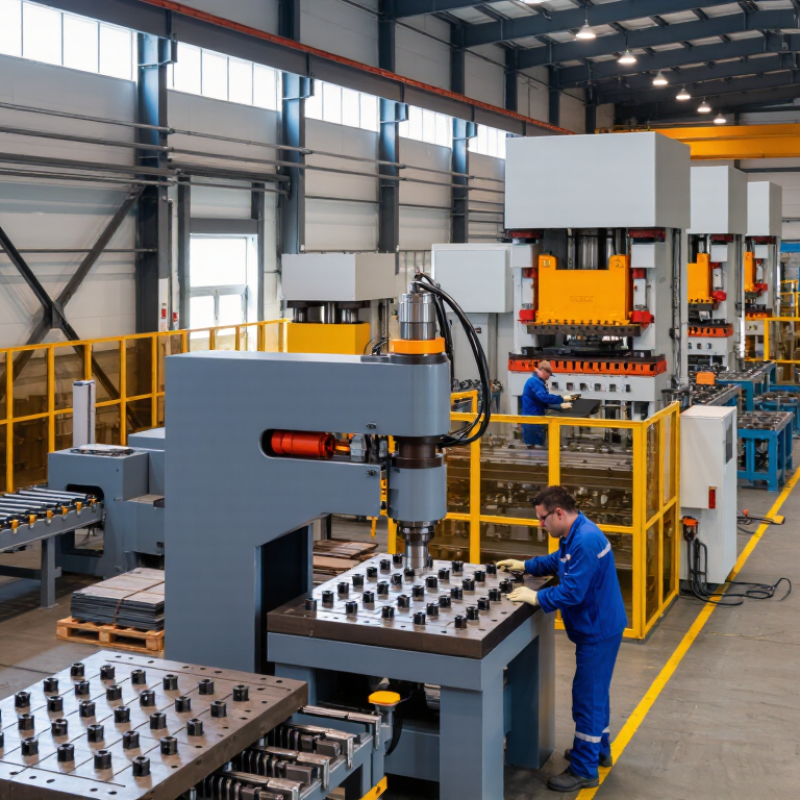
Table of Contents [Hide]
Define Your Production Needs and Pressing Requirements
How to Choose a Power Pressing Machine for Your Business?
Define Your Production Needs and Pressing Requirements
Choosing a power pressing machine starts with your actual production work, not the machine’s advertised capacity. List the materials, thicknesses, shapes, and daily quantities you handle. A machine pressing thin sheet metal needs different settings than one forming dense components. Measure your largest workpiece carefully. Bed size matters.
Calculate the required pressing force for each operation. Allow extra capacity for material variation, tooling weight, and future orders. However, buying the largest machine is not always wise. It may increase energy use, floor space, and maintenance costs. A smaller machine can be more efficient for light, repetitive work. That assumption can be wrong when production suddenly grows.
Review stroke length, pressing speed, adjustment range, and cycle time. Match these features with your operators’ workflow. For example, a short stroke may suit shallow forming, while deeper work requires more travel. Check whether the machine supports your existing dies and fixtures. Replacing compatible tooling can become an unexpected expense. Record your measurements.
Safety and consistency also define your requirements. Look for suitable guarding, emergency controls, stable operation, and clear adjustment procedures. Ask how accuracy changes during long production runs. Test samples using your actual material when possible. A single demonstration is not enough. Keep written records of force, speed, defects, and setup time. These details provide stronger evidence than general specifications.