
- High-Performance Doors
-
- Applications
-
-
-
- Clean Room
Stainless steel or composite materials help maintain clean rooms.
-
-
- Coolers
Quick opening speeds & tight seals for temperature control.
-
-
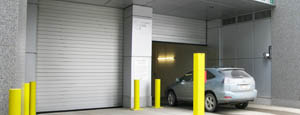
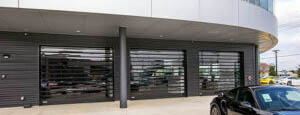
- Parking
Improve security & traffic flow and enhance architectural style.
-
-
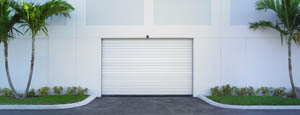
- Hurricane Zone
Withstand winds up to 175 mph and comply with the Florida Building Code.
-
-
-
-
- USDA / FDA / cGMP
Increase productivity & address stringent USDA, FDA & cGMP requirements.
-
-
- Freezers
High-speed & perimeter seals minimize the air exchange between areas.
-
-
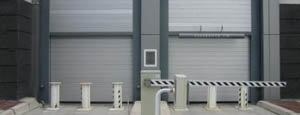
- Security
High speed & durability ensure secure access.
-
-
- Ventilation
Perforated or screen door panels allow improved air circulation.
-
-
-
-
- Fire Station Emergency Response
When time is of the essence, high speed and reliability are crucial.
-
-
- Warehousing
Fast cycle times and secure seals keep environments separated.
-
-
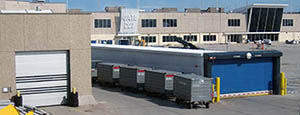
- Loading Dock
Rugged design & secure seal for oversized openings.
-
-
- Large Openings
Break-away functionality with rugged design seals oversized openings.
-
-
-
-
- Heavy Equipment
Withstands challenges of heavy equipment and fleet truck/car wash environments.
-
-
- Self-Storage
Fast opening speeds and reliable, durable construction keep facilities secure and protected.
-
-
- Industries
-
-
-
- Automotive Dealerships
Reduce energy costs, increase productivity and comfort and enhance customer perception.
-
-
- Cold Storage & Processing
Increase productivity and operational efficiency while reducing energy and maintenance costs.
-
-
- Parking
We offer solutions for Apartment / Condo & Loft, Standalone Parking Facilities and Office Buildings
-
-
-
-
- Food & Beverage
Doors specifically engineered for USDA/FDA and cGMP environments, and assured compliance for uncompromising performance.
-
-
- Mfg/Dist/Warehousing
A complete product line allows facilities to increase efficiency and safety and reduce maintenance and energy costs.
-
-
- Government
Ensure effective security and environmental controls are maintained for critical government operations.
-
-
-
-
- Transit
Keep operations running smoothly and efficient while reducing energy and maintenance costs.
-
-
- Pharma, Nutraceutical & Biotech
Doors that offer quick, secure access, environmental control and reliability for life science facilities.
-
-
- Support Resources
- Parts
- Contact Us
- Blog/News
- Why Rytec
- Sales Rep Locator
- Careers
- Dealers
- Architectural Resources
















How to Choose a CNC Laser Cutting Machine?
Choosing a Cnc Laser Cutting Machine is not just a matter of buying the highest-wattage model. The right machine depends on what you cut, how often you run it, and the finish your customers expect. A small workshop producing acrylic signs has different needs from a factory processing thick steel sheets every shift. Start with the actual work.
Material type and thickness help narrow the options. Fiber lasers are commonly used for metals, while CO2 systems may suit wood, acrylic, and other non-metal materials. These are broad guidelines, not guarantees. Confirm compatibility with the machine manufacturer and test representative samples when possible. A clean edge on a thin sheet tells you little about performance on a thicker one.
Look beyond the laser source. Bed size, positioning accuracy, cutting speed, software, extraction, and operator training all affect daily results. So does service. Ask how quickly replacement parts are available and whether technicians can help with setup. A machine that looks impressive in a showroom may feel less convincing after a week of production delays. That is worth considering.
This guide explains the key questions to ask before comparing models, from power and work area to safety features and total operating cost. It also highlights common trade-offs, because there is rarely one perfect configuration. Be cautious of claims that promise both maximum speed and flawless cuts on every material. Real performance depends on settings, maintenance, and the material itself. A practical choice begins with measured needs, not a specification sheet alone.
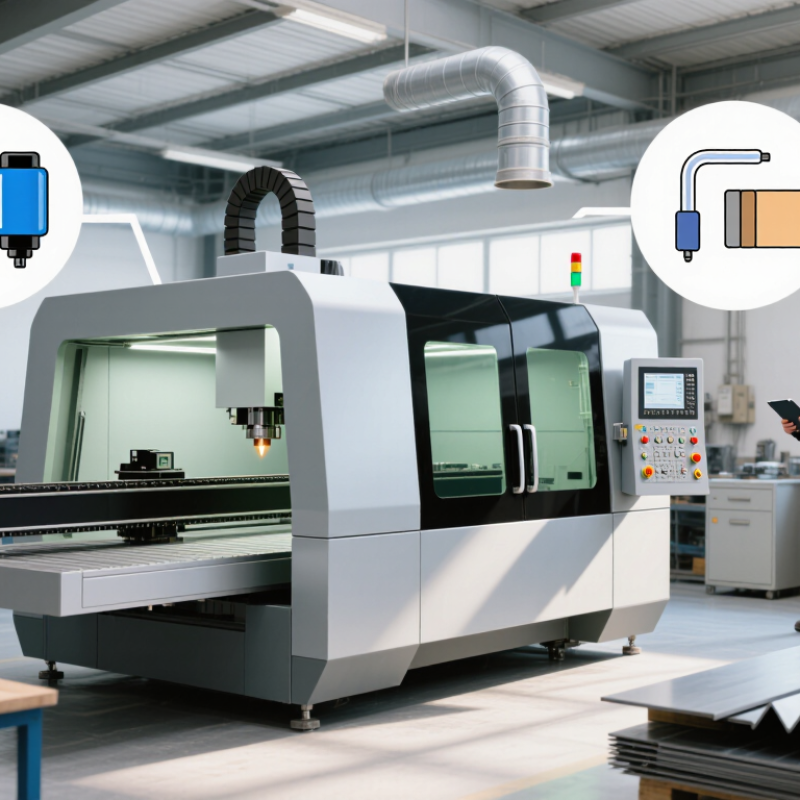
Table of Contents [Hide]
Define Your Cutting Requirements and Production Goals
Before comparing CNC laser cutting machines, define the jobs they must handle. List material types, maximum and typical sheet thicknesses, sheet sizes, and required edge quality. A shop cutting 1 mm stainless steel all day has different needs from one switching between 6 mm mild steel and aluminum. Be specific. Record parts per shift, weekly mix, and acceptable changeover time. Then estimate the share of work that truly needs laser cutting; buying for a rare, thick-material job can distort the whole decision.
Set measurable production goals: parts per hour, first-pass quality, uptime, and labor per job. Include loading, unloading, nesting, and maintenance in cycle-time estimates. A fast cutting head cannot compensate for slow material handling. ISO 9013 provides a framework for specifying thermal-cut edge quality, helping buyers turn “clean edges” into requirements they can compare.
Deloitte’s 2024 smart manufacturing survey found that 86% of executives expect smart manufacturing to be a primary driver of competitiveness within five years. That supports evaluating data connectivity, but software features matter only when they address a real bottleneck. Check them against your operators’ workflow. They may miss something. Leave room to revisit your assumptions after timed trials with representative parts.