
- High-Performance Doors
-
- Applications
-
-
-
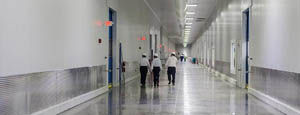
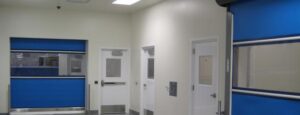
- Clean Room
Stainless steel or composite materials help maintain clean rooms.
-
-
- Coolers
Quick opening speeds & tight seals for temperature control.
-
-
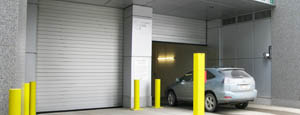
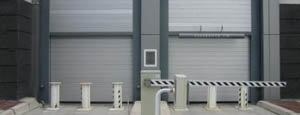
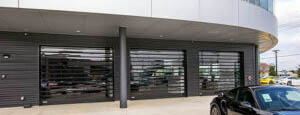
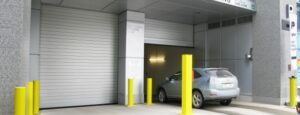
- Parking
Improve security & traffic flow and enhance architectural style.
-
-
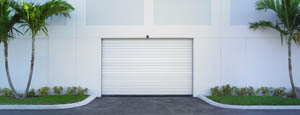
- Hurricane Zone
Withstand winds up to 175 mph and comply with the Florida Building Code.
-
-
-
-
- USDA / FDA / cGMP
Increase productivity & address stringent USDA, FDA & cGMP requirements.
-
-
- Freezers
High-speed & perimeter seals minimize the air exchange between areas.
-
-
- Security
High speed & durability ensure secure access.
-
-
- Ventilation
Perforated or screen door panels allow improved air circulation.
-
-
-
-
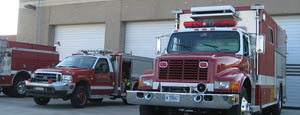
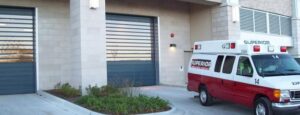
- Fire Station Emergency Response
When time is of the essence, high speed and reliability are crucial.
-
-
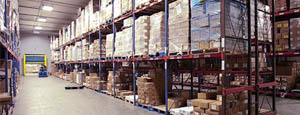
- Warehousing
Fast cycle times and secure seals keep environments separated.
-
-
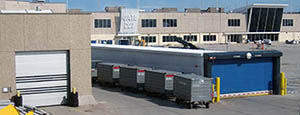
- Loading Dock
Rugged design & secure seal for oversized openings.
-
-
- Large Openings
Break-away functionality with rugged design seals oversized openings.
-
-
-
-
- Heavy Equipment
Withstands challenges of heavy equipment and fleet truck/car wash environments.
-
-
- Self-Storage
Fast opening speeds and reliable, durable construction keep facilities secure and protected.
-
-
- Industries
-
-
-
- Automotive Dealerships
Reduce energy costs, increase productivity and comfort and enhance customer perception.
-
-
- Cold Storage & Processing
Increase productivity and operational efficiency while reducing energy and maintenance costs.
-
-
- Parking
We offer solutions for Apartment / Condo & Loft, Standalone Parking Facilities and Office Buildings
-
-
-
-
- Food & Beverage
Doors specifically engineered for USDA/FDA and cGMP environments, and assured compliance for uncompromising performance.
-
-
- Mfg/Dist/Warehousing
A complete product line allows facilities to increase efficiency and safety and reduce maintenance and energy costs.
-
-
- Government
Ensure effective security and environmental controls are maintained for critical government operations.
-
-
-
-
- Transit
Keep operations running smoothly and efficient while reducing energy and maintenance costs.
-
-
- Pharma, Nutraceutical & Biotech
Doors that offer quick, secure access, environmental control and reliability for life science facilities.
-
-
- Support Resources
- Parts
- Contact Us
- Blog/News
- Why Rytec
- Sales Rep Locator
- Careers
- Dealers
- Architectural Resources









How to Choose a Membrane Structure Tent?
Choosing a Membrane Structure Tent is not simply a matter of selecting an attractive shape. The right decision connects site conditions, engineering performance, user comfort, and long-term maintenance. A tent beside a windy coastline faces different demands from one used for a quiet garden wedding. Wind pressure, snow load, ultraviolet exposure, drainage, fire performance, and local permits all deserve careful review.
Frei Otto, a pioneer of lightweight and tensile architecture, described architecture as “the art of reconciliation between ourselves and the world.” His idea remains practical here. A successful membrane structure should respond to its environment, not fight it. PVC-coated polyester may suit many temporary applications, while PTFE-coated fiberglass can provide longer service and stronger resistance to heat and weather. ETFE offers a different balance of transparency, weight, and cost. None is automatically the best choice.
Look closely at the details. Check the fabric specification, connector quality, anchoring method, ventilation plan, and snow or wind calculations. Ask whether the supplier has completed similar projects in comparable climates. Request engineering documents, maintenance guidance, warranty terms, and fire-test evidence. Independent review is valuable, especially for large public installations.
There is no perfect checklist.
Even experienced buyers can focus too heavily on appearance. I have seen elegant concepts become uncomfortable because of glare, trapped heat, or poor rainwater control. This guide will examine the decisions that matter, while admitting one uncomfortable truth: budget pressure can quietly weaken an otherwise sound selection.
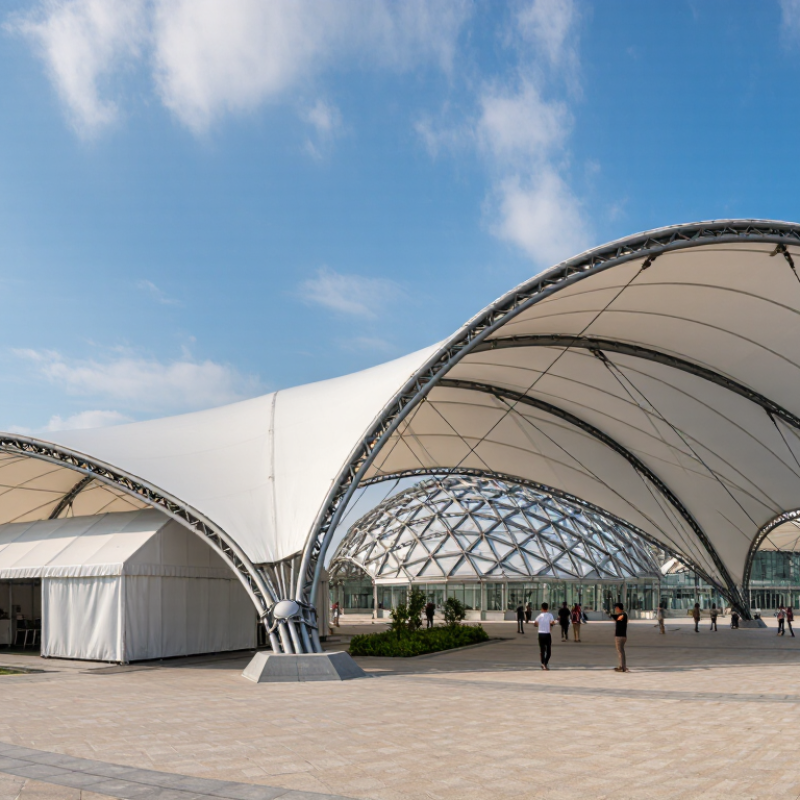
Table of Contents [Hide]
Classify Membrane Tents by PVC, PTFE, and ETFE Performance
How to Choose a Membrane Structure Tent?
Classify membrane tents by PVC, PTFE, and ETFE performance, not appearance alone. PVC-coated polyester is usually the practical starting point. Industry guidance from the International Association for Shell and Spatial Structures reports typical service lives of about 15–25 years, depending on coating quality, climate, and maintenance. Its visible-light transmission often falls near 5–15%, creating comfortable shade beneath a canopy. However, dirt can collect on the surface, and plasticizer migration may reduce flexibility over time. That detail is easy to miss.
PTFE-coated glass fiber fabric generally serves for more than 30 years in demanding outdoor applications, according to membrane engineering references used by professional structural designers. It offers strong ultraviolet resistance and low surface adhesion. Light transmission commonly ranges from 10–20%, producing a bright but controlled interior. The material costs more and requires tighter fabrication control. I would not choose it only because it lasts longer. Installation errors can still weaken the system.
ETFE film provides a different performance profile. Technical data reviewed in the European building-envelope sector commonly records visible-light transmission around 90–95%. It is lightweight and useful when daylight is a design priority. Multi-layer cushions can also improve insulation, though their thermal performance depends on pressure, geometry, and climate. ETFE may need cleaning after dust storms or heavy pollen seasons. No material wins every site. A 2023 ASHRAE Handbook approach also supports evaluating solar gain, ventilation, and local weather together, rather than selecting a membrane from headline figures alone.