
- High-Performance Doors
-
- Applications
-
-
-
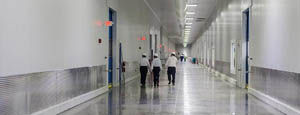
- Clean Room
Stainless steel or composite materials help maintain clean rooms.
-
-
- Coolers
Quick opening speeds & tight seals for temperature control.
-
-
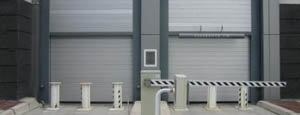
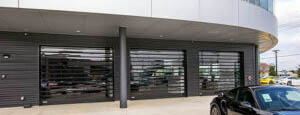
- Parking
Improve security & traffic flow and enhance architectural style.
-
-
- Hurricane Zone
Withstand winds up to 175 mph and comply with the Florida Building Code.
-
-
-
-
- USDA / FDA / cGMP
Increase productivity & address stringent USDA, FDA & cGMP requirements.
-
-
- Freezers
High-speed & perimeter seals minimize the air exchange between areas.
-
-
- Security
High speed & durability ensure secure access.
-
-
- Ventilation
Perforated or screen door panels allow improved air circulation.
-
-
-
-
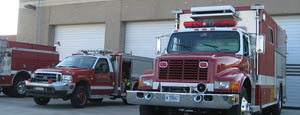
- Fire Station Emergency Response
When time is of the essence, high speed and reliability are crucial.
-
-
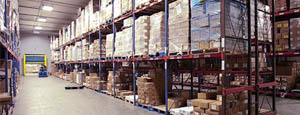
- Warehousing
Fast cycle times and secure seals keep environments separated.
-
-
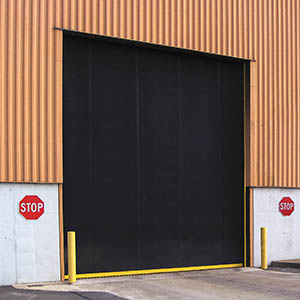
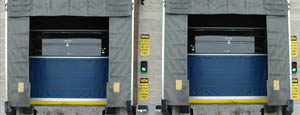
- Loading Dock
Rugged design & secure seal for oversized openings.
-
-
- Large Openings
Break-away functionality with rugged design seals oversized openings.
-
-
-
-
- Heavy Equipment
Withstands challenges of heavy equipment and fleet truck/car wash environments.
-
-
- Self-Storage
Fast opening speeds and reliable, durable construction keep facilities secure and protected.
-
-
- Industries
-
-
-
- Automotive Dealerships
Reduce energy costs, increase productivity and comfort and enhance customer perception.
-
-
- Cold Storage & Processing
Increase productivity and operational efficiency while reducing energy and maintenance costs.
-
-
- Parking
We offer solutions for Apartment / Condo & Loft, Standalone Parking Facilities and Office Buildings
-
-
-
-
- Food & Beverage
Doors specifically engineered for USDA/FDA and cGMP environments, and assured compliance for uncompromising performance.
-
-
- Mfg/Dist/Warehousing
A complete product line allows facilities to increase efficiency and safety and reduce maintenance and energy costs.
-
-
- Government
Ensure effective security and environmental controls are maintained for critical government operations.
-
-
-
-
- Transit
Keep operations running smoothly and efficient while reducing energy and maintenance costs.
-
-
- Pharma, Nutraceutical & Biotech
Doors that offer quick, secure access, environmental control and reliability for life science facilities.
-
-
- Support Resources
- Parts
- Contact Us
- Blog/News
- Why Rytec
- Sales Rep Locator
- Careers
- Dealers
- Architectural Resources














What Is an Industrial Gas Alarm and How Does It Work?
An Industrial Gas Alarm is a safety device that detects hazardous gas concentrations before workers recognize danger. It may monitor toxic, flammable, or oxygen-deficient atmospheres. Common targets include hydrogen sulfide, carbon monoxide, methane, ammonia, and volatile organic compounds. A sensor samples nearby air continuously. When readings reach a configured threshold, the system activates audible, visual, or remote alerts.
The danger can develop quietly. NIOSH’s Pocket Guide to Chemical Hazards lists 100 parts per million as the IDLH concentration for hydrogen sulfide. IDLH means immediately dangerous to life or health. OSHA also warns that hydrogen sulfide can rapidly overwhelm the senses, making smell an unreliable warning. For flammable gases, IEC 60079-29-1 defines performance requirements for gas detection equipment used in explosive atmospheres. These references show why alarm selection requires more than buying the loudest siren.
A reliable system combines the correct sensor, careful placement, regular calibration, and documented maintenance. It should connect with ventilation, emergency shutdowns, or evacuation procedures when appropriate. A fixed detector near a tank valve may see a leak earlier than a ceiling-mounted unit. Yet no alarm is infallible. Sensors can drift, become contaminated, or miss a gas outside their detection range. This is the uncomfortable part. An Industrial Gas Alarm supports risk control; it does not replace hazard assessment, worker training, or engineering protection. This article explains its components, detection methods, alarm stages, and practical limitations.
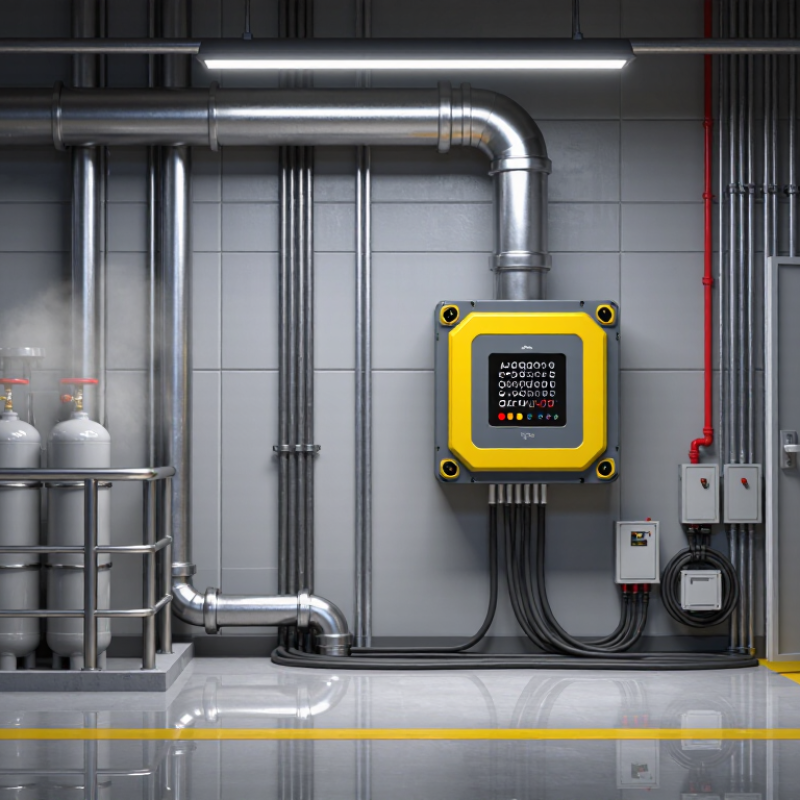
Table of Contents [Hide]
Definition and Purpose of an Industrial Gas Alarm
An industrial gas alarm is a safety device that detects dangerous changes in workplace air. It monitors oxygen levels, toxic gases, and combustible vapors. When readings reach a programmed limit, it gives an audible, visual, or vibrating warning. Fixed systems protect production areas, while portable units support inspections, maintenance, and confined-space entry.
The purpose is simple: provide time to act before exposure, fire, or an explosion occurs. OSHA defines an oxygen-deficient atmosphere as containing less than 19.5% oxygen. The ILO reported 2.93 million work-related deaths worldwide in 2023, showing why early hazard detection matters. A gas alarm usually uses electrochemical, infrared, or catalytic sensors. Its controller compares measurements with alarm thresholds and may activate ventilation or shutdown equipment. However, no detector is perfect. Dust, humidity, sensor aging, and poor placement can distort readings. Workers may also ignore repeated alarms, which is a serious human-factor problem.
Tips: Place sensors near likely leak points, not only at breathing height. Test alarms before each shift when procedures require it. Calibrate them according to the manufacturer’s instructions and site risk assessment. Keep records of bump tests, calibration, faults, and battery changes. NIOSH guidance also supports checking oxygen levels before entering hazardous spaces. A silent screen is not proof of safe air.