
- High-Performance Doors
-
- Applications
-
-
-
- Clean Room
Stainless steel or composite materials help maintain clean rooms.
-
-
- Coolers
Quick opening speeds & tight seals for temperature control.
-
-
- Parking
Improve security & traffic flow and enhance architectural style.
-
-
- Hurricane Zone
Withstand winds up to 175 mph and comply with the Florida Building Code.
-
-
-
-
- USDA / FDA / cGMP
Increase productivity & address stringent USDA, FDA & cGMP requirements.
-
-
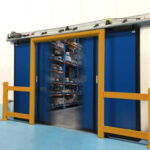
- Freezers
High-speed & perimeter seals minimize the air exchange between areas.
-
-
- Security
High speed & durability ensure secure access.
-
-
- Ventilation
Perforated or screen door panels allow improved air circulation.
-
-
-
-
- Fire Station Emergency Response
When time is of the essence, high speed and reliability are crucial.
-
-
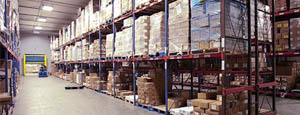
- Warehousing
Fast cycle times and secure seals keep environments separated.
-
-
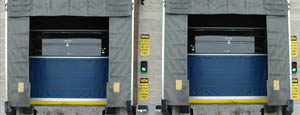
- Loading Dock
Rugged design & secure seal for oversized openings.
-
-
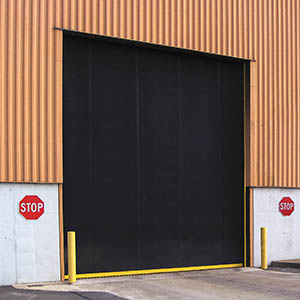
- Large Openings
Break-away functionality with rugged design seals oversized openings.
-
-
-
-
- Heavy Equipment
Withstands challenges of heavy equipment and fleet truck/car wash environments.
-
-
- Self-Storage
Fast opening speeds and reliable, durable construction keep facilities secure and protected.
-
-
- Industries
-
-
-
- Automotive Dealerships
Reduce energy costs, increase productivity and comfort and enhance customer perception.
-
-
- Cold Storage & Processing
Increase productivity and operational efficiency while reducing energy and maintenance costs.
-
-
- Parking
We offer solutions for Apartment / Condo & Loft, Standalone Parking Facilities and Office Buildings
-
-
-
-
- Food & Beverage
Doors specifically engineered for USDA/FDA and cGMP environments, and assured compliance for uncompromising performance.
-
-
- Mfg/Dist/Warehousing
A complete product line allows facilities to increase efficiency and safety and reduce maintenance and energy costs.
-
-
- Government
Ensure effective security and environmental controls are maintained for critical government operations.
-
-
-
-
- Transit
Keep operations running smoothly and efficient while reducing energy and maintenance costs.
-
-
- Pharma, Nutraceutical & Biotech
Doors that offer quick, secure access, environmental control and reliability for life science facilities.
-
-
- Support Resources
- Parts
- Contact Us
- Blog/News
- Why Rytec
- Sales Rep Locator
- Careers
- Dealers
- Architectural Resources




















What Is Process Water Treatment and Why Is It Important?
Process Water Treatment is the controlled management of water used in manufacturing, energy production, food processing, and other industrial operations. It removes unwanted substances before water enters a process, supports production, or leaves a facility. These substances may include suspended solids, oils, metals, salts, microorganisms, and chemical residues. The treatment method depends on the water source, production requirements, discharge limits, and reuse goals.
Professor Asit K. Biswas, a globally recognized water-policy expert, has said, “The biggest crisis facing humanity is the crisis of water governance, not water scarcity.” His observation applies directly to industrial water management. A factory may consume thousands of litres daily, yet poor monitoring can waste water and increase operating costs. A clear treatment plan connects filtration, clarification, membrane systems, disinfection, and regular testing. It also protects equipment. Scale inside a boiler, for example, can reduce heat transfer and create costly maintenance problems.
Small details matter. A cloudy sample can reveal a larger process failure. A rising conductivity reading may signal salt buildup or membrane damage. Experienced operators therefore review trends, not only single test results. Reliable treatment also requires calibrated instruments, documented procedures, trained staff, and independent verification when risks are high. Still, no system is perfect. Treatment chemicals can create secondary waste, and advanced equipment can demand significant energy. These limitations deserve honest attention. Understanding Process Water Treatment means balancing product quality, worker safety, environmental responsibility, water reuse, and practical operating costs. That balance is difficult. It is also essential.
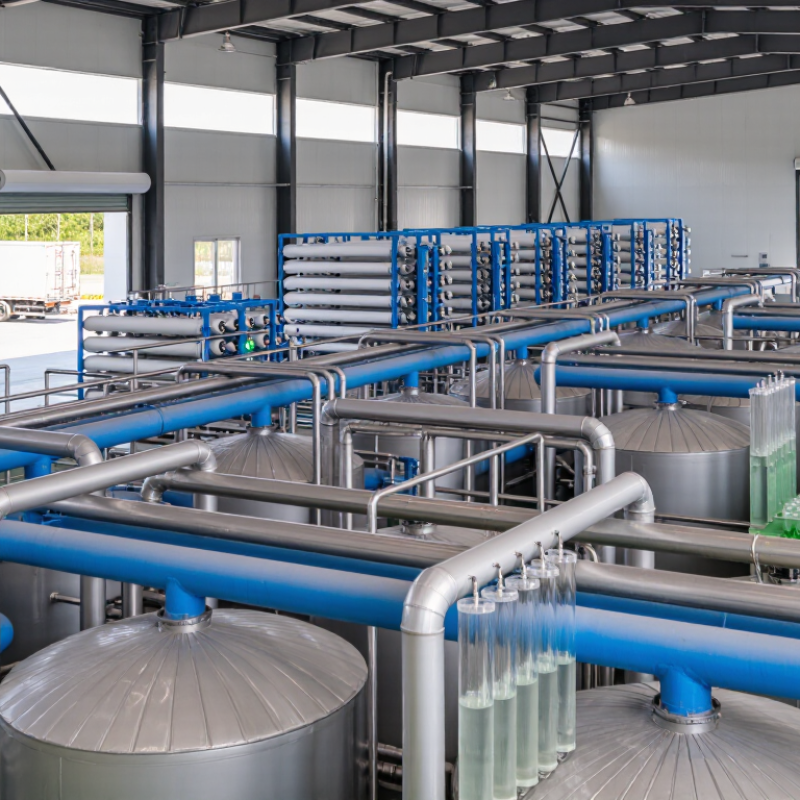
Table of Contents [Hide]
What Is Process Water Treatment?
What Is Process Water Treatment?
Process water treatment is the controlled preparation of water used inside industrial operations. It supports cooling, heating, rinsing, production, and equipment protection. Unlike drinking water treatment, it begins with the process requirements. A semiconductor line may need ultra-low mineral content. A food facility may require strict microbial control. A boiler may need softened water to reduce scale.
Treatment commonly includes screening, clarification, filtration, softening, membrane separation, and disinfection. Operators select each step after testing the source water and identifying process risks. They also monitor pH, conductivity, turbidity, hardness, and microbial indicators. The 2024 UN World Water Development Report states that 2.2 billion people lacked safely managed drinking water in 2022. This pressure makes industrial water efficiency more important. The World Resources Institute’s Aqueduct Water Risk Atlas reports that 25 countries face extremely high annual water stress. Reuse can help, but it is not automatically safe or economical.
Tips: Start with a water balance. Measure intake, use, losses, discharge, and reuse points. Set limits for critical parameters, then verify them regularly. Keep sampling records near the equipment. Small errors matter. A treatment train that works today may fail after seasonal changes, production shifts, or membrane fouling. Operators should review results, question unusual readings, and adjust carefully rather than trust a fixed recipe. Industry guidance and local discharge requirements should shape the final design.