
- High-Performance Doors
-
- Applications
-
-
-
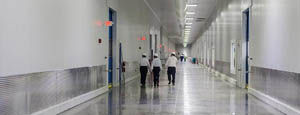
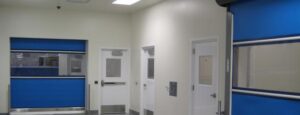
- Clean Room
Stainless steel or composite materials help maintain clean rooms.
-
-
- Coolers
Quick opening speeds & tight seals for temperature control.
-
-
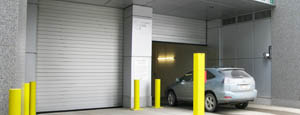
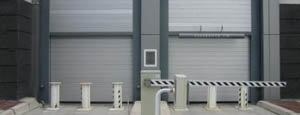
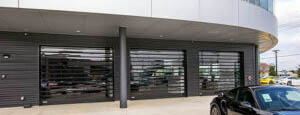
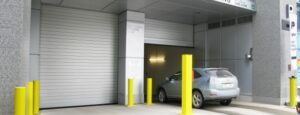
- Parking
Improve security & traffic flow and enhance architectural style.
-
-
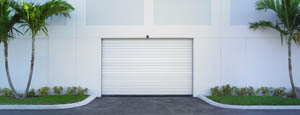
- Hurricane Zone
Withstand winds up to 175 mph and comply with the Florida Building Code.
-
-
-
-
- USDA / FDA / cGMP
Increase productivity & address stringent USDA, FDA & cGMP requirements.
-
-
- Freezers
High-speed & perimeter seals minimize the air exchange between areas.
-
-
- Security
High speed & durability ensure secure access.
-
-
- Ventilation
Perforated or screen door panels allow improved air circulation.
-
-
-
-
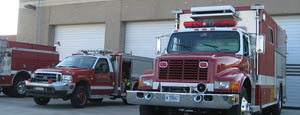
- Fire Station Emergency Response
When time is of the essence, high speed and reliability are crucial.
-
-
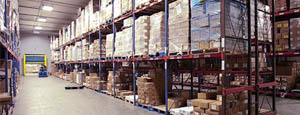
- Warehousing
Fast cycle times and secure seals keep environments separated.
-
-
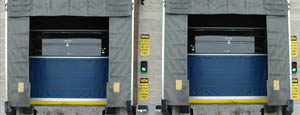
- Loading Dock
Rugged design & secure seal for oversized openings.
-
-
- Large Openings
Break-away functionality with rugged design seals oversized openings.
-
-
-
-
- Heavy Equipment
Withstands challenges of heavy equipment and fleet truck/car wash environments.
-
-
- Self-Storage
Fast opening speeds and reliable, durable construction keep facilities secure and protected.
-
-
- Industries
-
-
-
- Automotive Dealerships
Reduce energy costs, increase productivity and comfort and enhance customer perception.
-
-
- Cold Storage & Processing
Increase productivity and operational efficiency while reducing energy and maintenance costs.
-
-
- Parking
We offer solutions for Apartment / Condo & Loft, Standalone Parking Facilities and Office Buildings
-
-
-
-
- Food & Beverage
Doors specifically engineered for USDA/FDA and cGMP environments, and assured compliance for uncompromising performance.
-
-
- Mfg/Dist/Warehousing
A complete product line allows facilities to increase efficiency and safety and reduce maintenance and energy costs.
-
-
- Government
Ensure effective security and environmental controls are maintained for critical government operations.
-
-
-
-
- Transit
Keep operations running smoothly and efficient while reducing energy and maintenance costs.
-
-
- Pharma, Nutraceutical & Biotech
Doors that offer quick, secure access, environmental control and reliability for life science facilities.
-
-
- Support Resources
- Parts
- Contact Us
- Blog/News
- Why Rytec
- Sales Rep Locator
- Careers
- Dealers
- Architectural Resources










What Is Protective Flooring and Which Type Is Best?
Protective Flooring helps shield surfaces from impact, moisture, stains, and daily wear. In a busy workshop, it may soften a dropped tool’s impact. In a nursery, it can reduce slipping near a play area. In a commercial kitchen, it must withstand spills, cleaning chemicals, and constant foot traffic. The right material depends on the environment, not attractive appearance alone.
From practical installation experience, rubber tiles, vinyl sheets, interlocking mats, and epoxy coatings each solve different problems. Rubber offers resilience and comfort underfoot. Vinyl provides easy cleaning and broad design flexibility. Interlocking tiles simplify replacement when one section becomes damaged. Epoxy creates a hard, seamless surface, but preparation and curing conditions matter greatly. Poor installation can cause lifting, bubbles, or premature cracking.
There is no universal best option. That answer is inconvenient. A flooring specialist should examine traffic levels, subfloor condition, moisture exposure, maintenance routines, and safety needs before recommending a system. Product data sheets and independent performance ratings provide useful evidence, but real site conditions can still change the result. A thick mat may protect concrete effectively, yet become difficult to move or clean. A durable coating may look professional, yet feel uncomfortable during long working hours. This guide compares common Protective Flooring types through practical performance, installation demands, safety considerations, and long-term value. It also acknowledges a common mistake: choosing the cheapest material first, then paying more for repairs later.
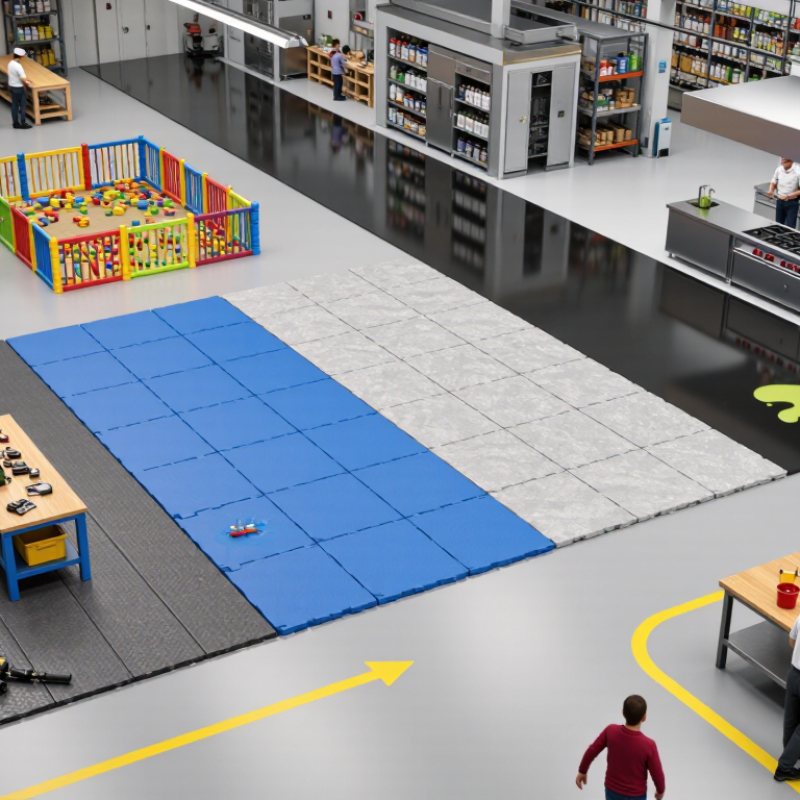
Table of Contents [Hide]
What Is Protective Flooring and How Does It Work?
Protective flooring is a working surface designed to reduce damage, slipping, moisture entry, and impact. It works through several layers, not one magical material. A resilient top layer absorbs pressure from carts, tools, and dropped equipment. A textured finish can improve traction under normal wet conditions. Beneath it, a dense backing helps spread loads across the subfloor. Some systems also include waterproof membranes or shock-absorbing underlays.
The risk is practical. The U.S. Bureau of Labor Statistics reported 888 fatal workplace injuries involving falls, slips, and trips in 2023. Flooring cannot remove every hazard, but it can reduce surface-related exposure. Laboratory testing also matters. ASTM slip-resistance methods measure how surfaces behave with controlled contaminants, although laboratory results may not match a busy worksite. That difference deserves attention.
The best type depends on the room. Rubber flooring suits gyms and workshops because it cushions impact and handles heavy traffic. Vinyl works well where cleaning and moisture control are priorities. Interlocking tiles allow fast replacement, but their seams may collect dirt. Epoxy systems create a hard, seamless surface, yet poor installation can cause peeling or unexpected slipperiness. A 2024 industry analysis by Grand View Research identified durability, maintenance, and safety as major drivers in resilient flooring demand. Still, selecting by market popularity alone is weak practice. Check load ratings, chemical exposure, cleaning routines, drainage, and subfloor condition before choosing. A small sample test is often wiser than trusting a brochure.
| Flooring Type | How It Protects the Subfloor | Typical Thickness | Best Applications | Water and Chemical Resistance | Impact and Load Performance | Installation and Maintenance | Key Advantages | Main Limitations | Overall Best Use |
|---|---|---|---|---|---|---|---|---|---|
| Rubber Flooring | Absorbs impact, reduces vibration, and creates a resilient barrier between equipment and the subfloor. | 6–15 mm 0.24–0.59 in | Gyms, weight rooms, workshops, play areas, and utility spaces. | Good resistance to water; resistance to oils and strong chemicals varies by formulation. | Excellent shock absorption and resistance to heavy equipment. | Available as rolls, tiles, or mats. Usually loose-laid or glued; sweep and damp-mop regularly. | Durable, slip-resistant, sound-dampening, and comfortable underfoot. | Can have a noticeable odor when new; heavy rubber may be difficult to cut and move. | Best for impact protection and heavy-use fitness areas. |
| Vinyl Sheet or Vinyl Tile | Forms a continuous or modular wear layer that protects against abrasion, spills, and everyday traffic. | 2–5 mm 0.08–0.20 in | Healthcare areas, classrooms, offices, retail spaces, and general utility rooms. | Very good water resistance; chemical resistance depends on the product and surface finish. | Good for normal traffic but less suitable for concentrated heavy impacts. | Sheet flooring requires careful seam installation; tiles are easier to replace individually. Routine sweeping and damp mopping are typical. | Easy to clean, available in many designs, and suitable for hygienic environments. | Can be punctured by sharp objects and may be damaged by excessive heat or subfloor moisture. | Best for cleanability, appearance, and everyday commercial protection. |
| Epoxy Resin Coating | Creates a bonded, hard surface that seals concrete and protects it from abrasion, moisture, and many chemicals. | 1–3 mm 0.04–0.12 in | Garages, warehouses, laboratories, workshops, and industrial floors. | Excellent resistance to many oils, solvents, and chemicals when correctly specified. | Very good abrasion and load resistance; rigid and less forgiving of substrate movement. | Requires thorough surface preparation, mixing, curing, and moisture testing. Easy to sweep and wash after curing. | Seamless, hard-wearing, hygienic, and highly resistant to stains and chemical spills. | Can become slippery when wet without an aggregate additive; may crack or delaminate if concrete preparation is inadequate. | Best for sealed concrete in industrial and chemical-exposure areas. |
| Interlocking PVC or Rubber Tiles | Provides a replaceable protective layer that spreads loads and shields the subfloor from wear and minor impacts. | 5–12 mm 0.20–0.47 in | Garages, workshops, temporary work areas, exercise rooms, and exhibition spaces. | Good water resistance; seams may allow moisture to reach the subfloor if flooding occurs. | Good resistance to rolling loads and moderate impacts. | Fast, low-mess installation with minimal adhesive. Damaged tiles can usually be removed and replaced. | DIY-friendly, reusable, replaceable, and suitable for temporary or phased installations. | Tile movement can occur if the layout is not properly fitted; seams are less hygienic than a seamless floor. | Best for flexible installation and areas requiring easy replacement. |
| Polypropylene Garage Tiles | Raises the walking surface slightly above the subfloor and distributes point loads across a rigid modular system. | 10–20 mm 0.39–0.79 in | Residential garages, display areas, light workshops, and storage spaces. | Good resistance to water and many household chemicals; liquids can pass through perforated designs. | Good resistance to vehicle traffic and moderate loads; less cushioning than rubber. | Usually installed by snapping tiles together. Sweeping, vacuuming, and occasional washing are common. | Quick installation, high rigidity, good ventilation options, and easy access to the original floor. | Can create hollow sounds, may require edge ramps, and can be uncomfortable for prolonged standing. | Best for garages needing a durable, modular, easy-to-install surface. |
| Carpet Tiles | Protects the subfloor from light abrasion while improving comfort, acoustics, and surface warmth. | 5–10 mm 0.20–0.39 in | Offices, libraries, meeting rooms, hospitality areas, and low-moisture interiors. | Limited water resistance; moisture can remain in the backing and promote staining or odor. | Suitable for foot traffic but not heavy equipment, vehicles, or frequent impact. | Individual tiles can be replaced. Requires regular vacuuming and prompt treatment of spills. | Quiet, comfortable, modular, and effective at reducing footfall noise. | Absorbs liquids, can stain, and is unsuitable for persistently damp or heavily contaminated areas. | Best for acoustic comfort and light-duty interior protection. |
| Protective Floor Mats | Creates a localized barrier beneath equipment, chairs, tools, or entrances to prevent scratches and concentrated wear. | 2–12 mm 0.08–0.47 in | Desk areas, entrances, kitchens, workshops, exercise equipment, and temporary protection zones. | Varies by material; rubber and PVC mats generally provide good water resistance. | Good localized protection but limited coverage and edge protection. | Loose-laid and easy to remove. Clean according to the material; keep edges flat to reduce trip hazards. | Low cost, quick deployment, reusable, and ideal for protecting only high-risk areas. | Does not protect the entire floor; edges may curl or move if the mat is poorly fitted. | Best for targeted, temporary, or budget-conscious protection. |
Selection guide: The best protective flooring depends on the main hazard. Choose rubber for impact and vibration, epoxy for chemical and abrasion resistance, vinyl for hygiene and easy cleaning, interlocking tiles for modular installation, carpet tiles for acoustic comfort, and protective mats for localized or temporary coverage. Always verify load ratings, slip resistance, chemical compatibility, fire performance, and subfloor moisture requirements before installation.