
- High-Performance Doors
-
- Applications
-
-
-
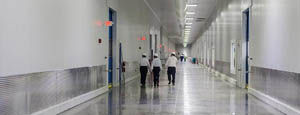
- Clean Room
Stainless steel or composite materials help maintain clean rooms.
-
-
- Coolers
Quick opening speeds & tight seals for temperature control.
-
-
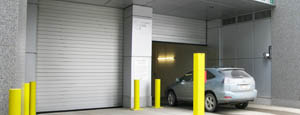
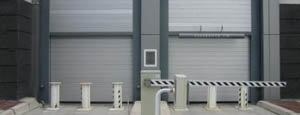
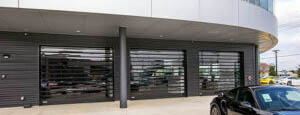
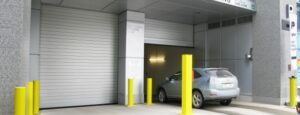
- Parking
Improve security & traffic flow and enhance architectural style.
-
-
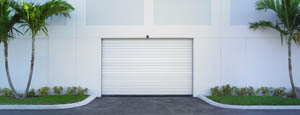
- Hurricane Zone
Withstand winds up to 175 mph and comply with the Florida Building Code.
-
-
-
-
- USDA / FDA / cGMP
Increase productivity & address stringent USDA, FDA & cGMP requirements.
-
-
- Freezers
High-speed & perimeter seals minimize the air exchange between areas.
-
-
- Security
High speed & durability ensure secure access.
-
-
- Ventilation
Perforated or screen door panels allow improved air circulation.
-
-
-
-
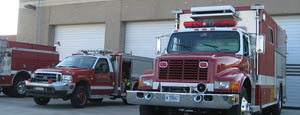
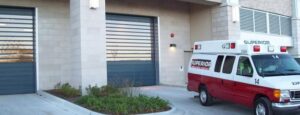
- Fire Station Emergency Response
When time is of the essence, high speed and reliability are crucial.
-
-
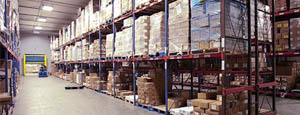
- Warehousing
Fast cycle times and secure seals keep environments separated.
-
-
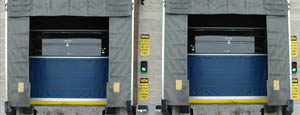
- Loading Dock
Rugged design & secure seal for oversized openings.
-
-
- Large Openings
Break-away functionality with rugged design seals oversized openings.
-
-
-
-
- Heavy Equipment
Withstands challenges of heavy equipment and fleet truck/car wash environments.
-
-
- Self-Storage
Fast opening speeds and reliable, durable construction keep facilities secure and protected.
-
-
- Industries
-
-
-
- Automotive Dealerships
Reduce energy costs, increase productivity and comfort and enhance customer perception.
-
-
- Cold Storage & Processing
Increase productivity and operational efficiency while reducing energy and maintenance costs.
-
-
- Parking
We offer solutions for Apartment / Condo & Loft, Standalone Parking Facilities and Office Buildings
-
-
-
-
- Food & Beverage
Doors specifically engineered for USDA/FDA and cGMP environments, and assured compliance for uncompromising performance.
-
-
- Mfg/Dist/Warehousing
A complete product line allows facilities to increase efficiency and safety and reduce maintenance and energy costs.
-
-
- Government
Ensure effective security and environmental controls are maintained for critical government operations.
-
-
-
-
- Transit
Keep operations running smoothly and efficient while reducing energy and maintenance costs.
-
-
- Pharma, Nutraceutical & Biotech
Doors that offer quick, secure access, environmental control and reliability for life science facilities.
-
-
- Support Resources
- Parts
- Contact Us
- Blog/News
- Why Rytec
- Sales Rep Locator
- Careers
- Dealers
- Architectural Resources








What is a remote garage door opener and how does it work?
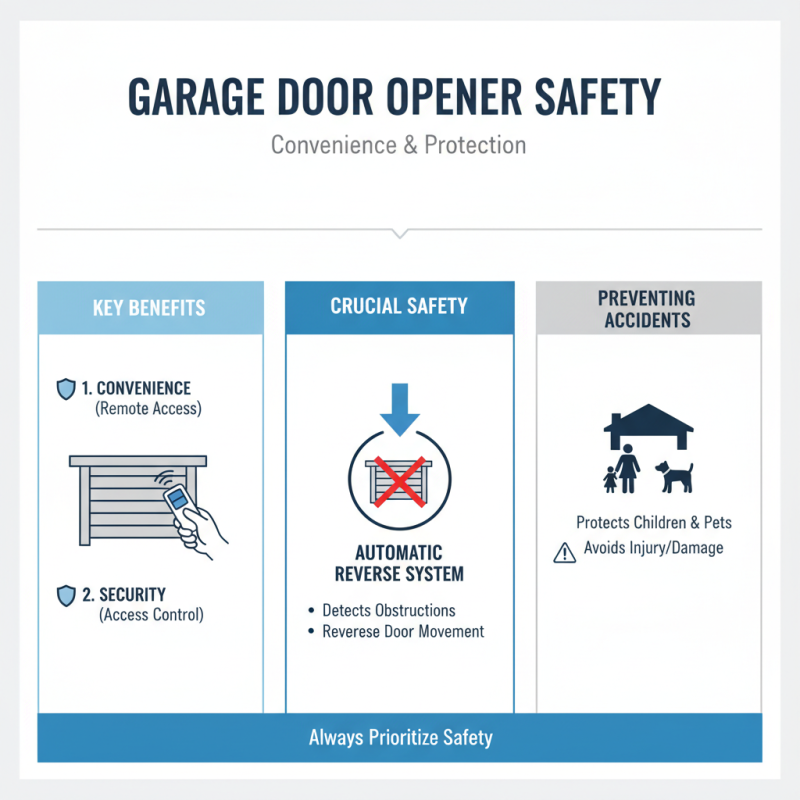
In today's fast-paced world, convenience is king. A remote garage door opener epitomizes this ideal. Expert engineer John Smith states, “A remote garage door opener transforms how we approach home security and accessibility.” This device allows homeowners to control their garage doors with a simple press of a button, enhancing both security and convenience.
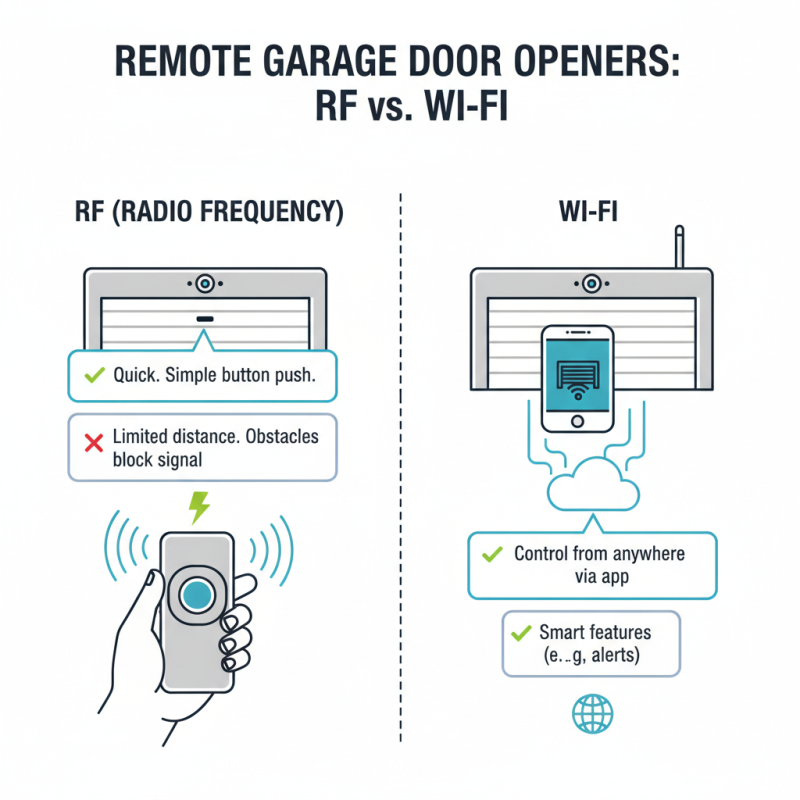
Typically, a remote garage door opener uses radio signals to communicate with the garage door motor. When you press the remote, it sends a signal, activating the door to open or close. This process seems straightforward, yet there are complexities involved, like signal interference and battery maintenance.
However, relying on technology can have its drawbacks. Some users encounter issues with connectivity or malfunction. The sense of security can be misleading if the device isn’t properly maintained. Understanding the nuances of a remote garage door opener is essential for maximizing its benefits while minimizing potential risks.
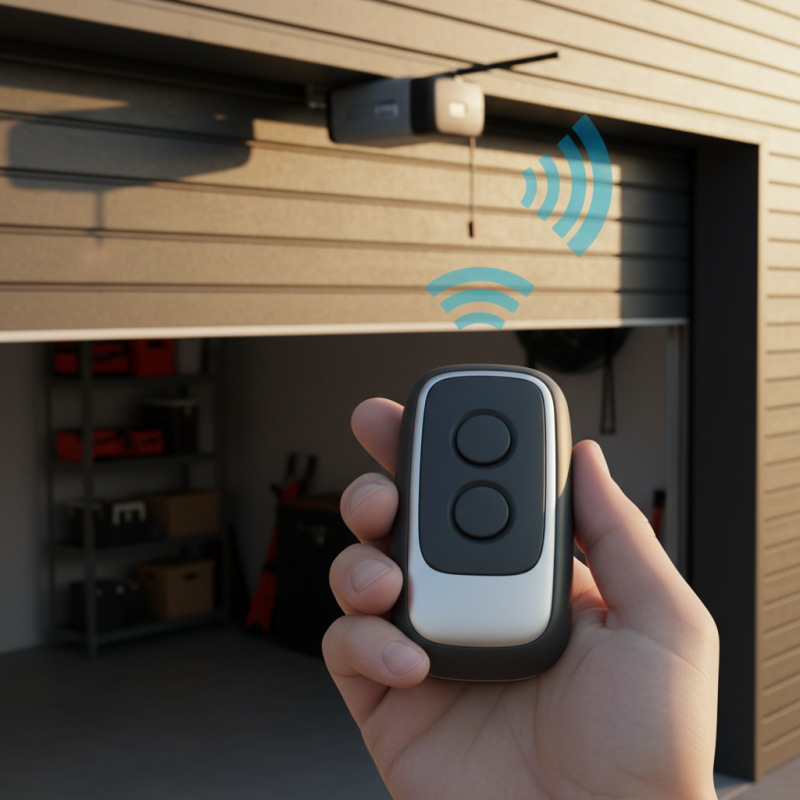
Table of Contents
[Hide]
What is a Remote Garage Door Opener?
A remote garage door opener is a device that allows users to open and close their garage doors from a distance. It typically operates through radio frequency signals. When a button is pressed, the remote sends a signal to a receiver mounted on the garage door opener. This interaction makes entering or exiting a garage convenient and efficient. The global market for these devices is expected to grow significantly, with a projected increase of around 15% over the next five years, according to industry analysis.
One key aspect of remote garage door openers is security. Many models include rolling code technology, which generates a new code each time the remote is used. This makes it difficult for unauthorized users to gain access. However, some systems still face vulnerabilities. In a 2022 study, it was revealed that nearly 10% of garage door systems could be hacked easily due to outdated technology. This highlights the importance of regularly updating one’s garage door opener to ensure optimal functionality and safety.
Users should also consider their environment. Weather factors can impact the performance of these devices. For instance, extreme cold or heat may interfere with the remote signal. Some users face battery issues too—a common point of frustration. The convenience of remote operation can diminish if the remote battery dies unexpectedly. Proper maintenance of the system can help mitigate these challenges.
Related Posts
-
How to Choose the Best Remote Garage Door Opener for Your Home
-
How to Choose the Best Remote Garage Door Opener for Your Home
-
Unlocking Convenience: How the Garage Door Remote Transformed Home Security Systems in 2023
-
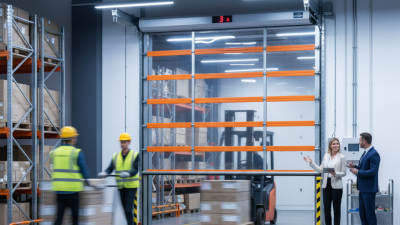
Top 10 Benefits of Speed Doors for Your Business Efficiency and Safety
-
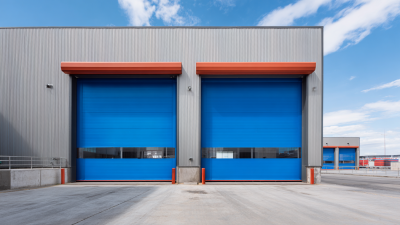
Top 5 High Speed Doors for Efficient Industrial Operations
-
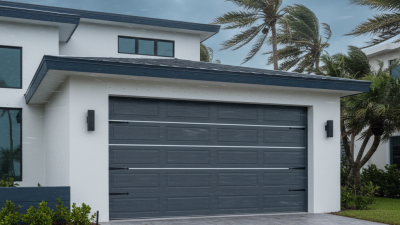
Top 10 Tips for Choosing a Hurricane Rated Garage Door for Your Home