
- High-Performance Doors
-
- Applications
-
-
-
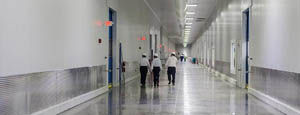
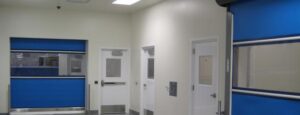
- Clean Room
Stainless steel or composite materials help maintain clean rooms.
-
-
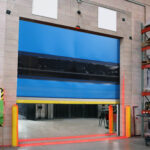
- Coolers
Quick opening speeds & tight seals for temperature control.
-
-
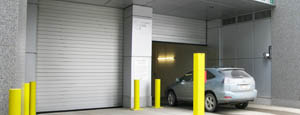
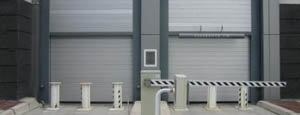
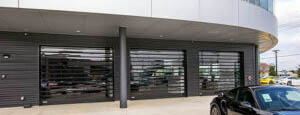
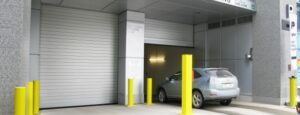
- Parking
Improve security & traffic flow and enhance architectural style.
-
-
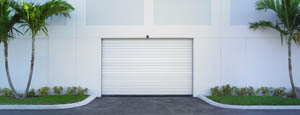
- Hurricane Zone
Withstand winds up to 175 mph and comply with the Florida Building Code.
-
-
-
-
- USDA / FDA / cGMP
Increase productivity & address stringent USDA, FDA & cGMP requirements.
-
-
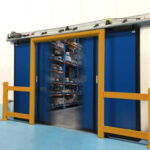
- Freezers
High-speed & perimeter seals minimize the air exchange between areas.
-
-
- Security
High speed & durability ensure secure access.
-
-
- Ventilation
Perforated or screen door panels allow improved air circulation.
-
-
-
-
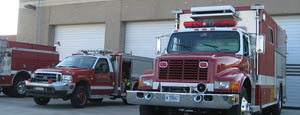
- Fire Station Emergency Response
When time is of the essence, high speed and reliability are crucial.
-
-
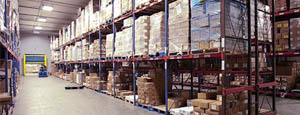
- Warehousing
Fast cycle times and secure seals keep environments separated.
-
-
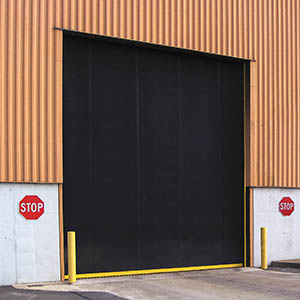
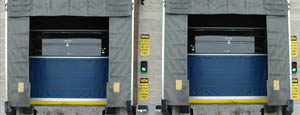
- Loading Dock
Rugged design & secure seal for oversized openings.
-
-
- Large Openings
Break-away functionality with rugged design seals oversized openings.
-
-
-
-
- Heavy Equipment
Withstands challenges of heavy equipment and fleet truck/car wash environments.
-
-
- Self-Storage
Fast opening speeds and reliable, durable construction keep facilities secure and protected.
-
-
- Industries
-
-
-
- Automotive Dealerships
Reduce energy costs, increase productivity and comfort and enhance customer perception.
-
-
- Cold Storage & Processing
Increase productivity and operational efficiency while reducing energy and maintenance costs.
-
-
- Parking
We offer solutions for Apartment / Condo & Loft, Standalone Parking Facilities and Office Buildings
-
-
-
-
- Food & Beverage
Doors specifically engineered for USDA/FDA and cGMP environments, and assured compliance for uncompromising performance.
-
-
- Mfg/Dist/Warehousing
A complete product line allows facilities to increase efficiency and safety and reduce maintenance and energy costs.
-
-
- Government
Ensure effective security and environmental controls are maintained for critical government operations.
-
-
-
-
- Transit
Keep operations running smoothly and efficient while reducing energy and maintenance costs.
-
-
- Pharma, Nutraceutical & Biotech
Doors that offer quick, secure access, environmental control and reliability for life science facilities.
-
-
- Support Resources
- Parts
- Contact Us
- Blog/News
- Why Rytec
- Sales Rep Locator
- Careers
- Dealers
- Architectural Resources










10 Smart Ceiling Light Buying Tips for Global Buyers
Choosing a Smart Ceiling Light is no longer a simple matter of selecting brightness and style. Global buyers must compare electrical compatibility, wireless standards, color quality, privacy controls, and long-term support. A fixture that works perfectly in London may fail in a home using different voltage, frequency, or smart-home platforms.
Dr. Mariana Figueiro, a recognized lighting and circadian-health researcher, has stated, “Light is a powerful biological stimulus.” That reminder changes the buying process. A bedroom may need warm, dimmable light at night, while a kitchen benefits from higher brightness and accurate color rendering. Check lumens, color temperature, CRI, dimming range, and the actual room size. Numbers matter.
Compatibility matters too. Look for verified support for Wi-Fi, Bluetooth, Matter, Alexa, Google Home, or Apple Home, depending on your setup. Confirm whether the product requires a hub. Read the privacy policy. Review firmware support and warranty coverage in your country. Safety certifications should match the destination market, not merely the seller’s claims.
Real installation details deserve attention. Measure the ceiling box, photograph the wiring, and confirm whether a neutral wire is required. Some lights feel intelligent but offer weak apps or unreliable schedules. That can become frustrating quickly.
A perfect choice is rare. Even experts must reconsider budget, aesthetics, maintenance, and data security. These ten buying tips provide a practical framework for comparing products honestly, avoiding attractive specifications that do not fit your room, electrical system, or daily habits.
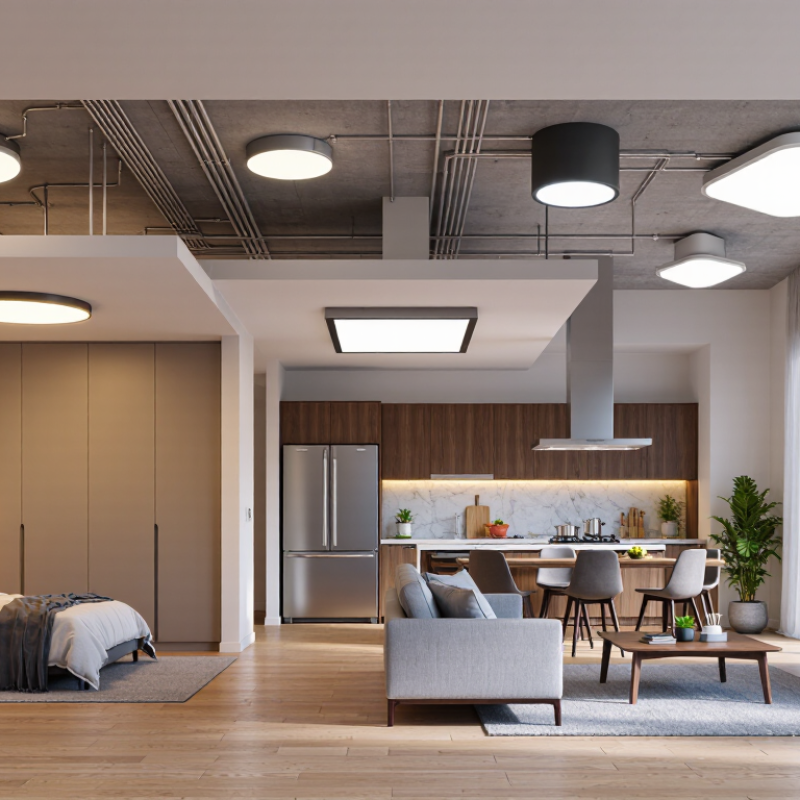
Table of Contents [Hide]
Define Room Needs, Lighting Goals, and Smart Home Compatibility
10 Smart Ceiling Light Buying Tips for Global Buyers
Define the room before comparing smart ceiling lights. In a narrow bedroom, soft, dimmable light can reduce glare and support restful evenings. A kitchen needs brighter, even illumination over counters and sinks. Measure the room and ceiling height carefully. A large fixture may overwhelm a low ceiling. Bathrooms require suitable moisture protection and secure installation.
Lighting goals matter as much as appearance. Warm light can create a relaxed atmosphere, while neutral light helps with cooking, reading, and cleaning. Check lumen output, color rendering, dimming range, and beam spread. A high lumen rating does not guarantee comfortable light.
I once selected a bright fixture for a small study, then found the reflections tiring after an hour. That mistake changed how I judge performance.
Smart home compatibility deserves equal attention. Confirm wireless standards, app requirements, voice control support, and hub dependency before purchase. Check whether the light still works manually when the network fails. Global buyers should also verify voltage, frequency, plug or wiring requirements, and local installation practices. Some products appear universal but lack complete regional support. Firmware updates can improve reliability, yet they may interrupt routines temporarily. I prefer clear manuals, transparent data policies, and responsive technical support. These details often matter more than decorative features.