
- High-Performance Doors
-
- Applications
-
-
-
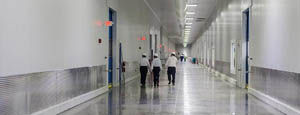
- Clean Room
Stainless steel or composite materials help maintain clean rooms.
-
-
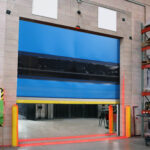
- Coolers
Quick opening speeds & tight seals for temperature control.
-
-
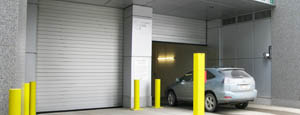
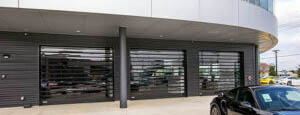
- Parking
Improve security & traffic flow and enhance architectural style.
-
-
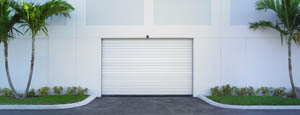
- Hurricane Zone
Withstand winds up to 175 mph and comply with the Florida Building Code.
-
-
-
-
- USDA / FDA / cGMP
Increase productivity & address stringent USDA, FDA & cGMP requirements.
-
-
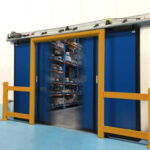
- Freezers
High-speed & perimeter seals minimize the air exchange between areas.
-
-
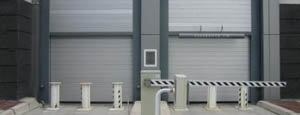
- Security
High speed & durability ensure secure access.
-
-
- Ventilation
Perforated or screen door panels allow improved air circulation.
-
-
-
-
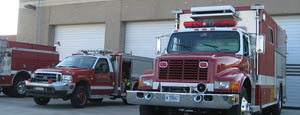
- Fire Station Emergency Response
When time is of the essence, high speed and reliability are crucial.
-
-
- Warehousing
Fast cycle times and secure seals keep environments separated.
-
-
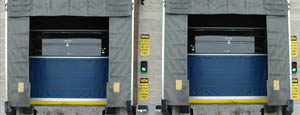
- Loading Dock
Rugged design & secure seal for oversized openings.
-
-
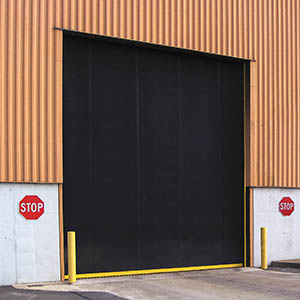
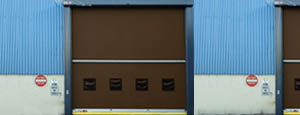
- Large Openings
Break-away functionality with rugged design seals oversized openings.
-
-
-
-
- Heavy Equipment
Withstands challenges of heavy equipment and fleet truck/car wash environments.
-
-
- Self-Storage
Fast opening speeds and reliable, durable construction keep facilities secure and protected.
-
-
- Industries
-
-
-
- Automotive Dealerships
Reduce energy costs, increase productivity and comfort and enhance customer perception.
-
-
- Cold Storage & Processing
Increase productivity and operational efficiency while reducing energy and maintenance costs.
-
-
- Parking
We offer solutions for Apartment / Condo & Loft, Standalone Parking Facilities and Office Buildings
-
-
-
-
- Food & Beverage
Doors specifically engineered for USDA/FDA and cGMP environments, and assured compliance for uncompromising performance.
-
-
- Mfg/Dist/Warehousing
A complete product line allows facilities to increase efficiency and safety and reduce maintenance and energy costs.
-
-
- Government
Ensure effective security and environmental controls are maintained for critical government operations.
-
-
-
-
- Transit
Keep operations running smoothly and efficient while reducing energy and maintenance costs.
-
-
- Pharma, Nutraceutical & Biotech
Doors that offer quick, secure access, environmental control and reliability for life science facilities.
-
-
- Support Resources
- Parts
- Contact Us
- Blog/News
- Why Rytec
- Sales Rep Locator
- Careers
- Dealers
- Architectural Resources












What Is Sport Floor and Which Type Is Best?
Choosing a Sport Floor is not a cosmetic decision. It affects impact, traction, ball response, noise, and long-term maintenance. A basketball player feels the surface during every jump and landing. A school gym also needs simple cleaning and dependable durability.
Industry data shows why this choice deserves closer attention. Grand View Research estimates that the global sports flooring market will continue expanding through 2030, supported by school facilities, fitness centers, and professional venues. The 2024 SFIA Topline Participation Report recorded more than 240 million Americans taking part in at least one sport or fitness activity in 2023. More users mean more demanding surfaces. Yet market forecasts differ, so no single figure should be treated as absolute.
Sports-flooring consultant John T. Frawley states, “The floor is the athlete’s first piece of equipment.” His point is practical. A sprung wood floor may suit basketball and volleyball, while rubber or PVC can better serve multipurpose rooms and strength areas. EN 14904 testing also considers shock absorption, vertical deformation, friction, and ball rebound. These details matter under real shoes, not just in a showroom.
There is no universal winner. Harder is not always better. Softer is not automatically safer. A beautiful floor can still produce glare, slippery dust, or expensive repairs. The best Sport Floor balances athlete protection, sport-specific performance, installation conditions, and lifecycle cost. That balance requires experience, verified test data, and honest review after installation. Mistakes happen. The important question is whether the decision process can learn from them.
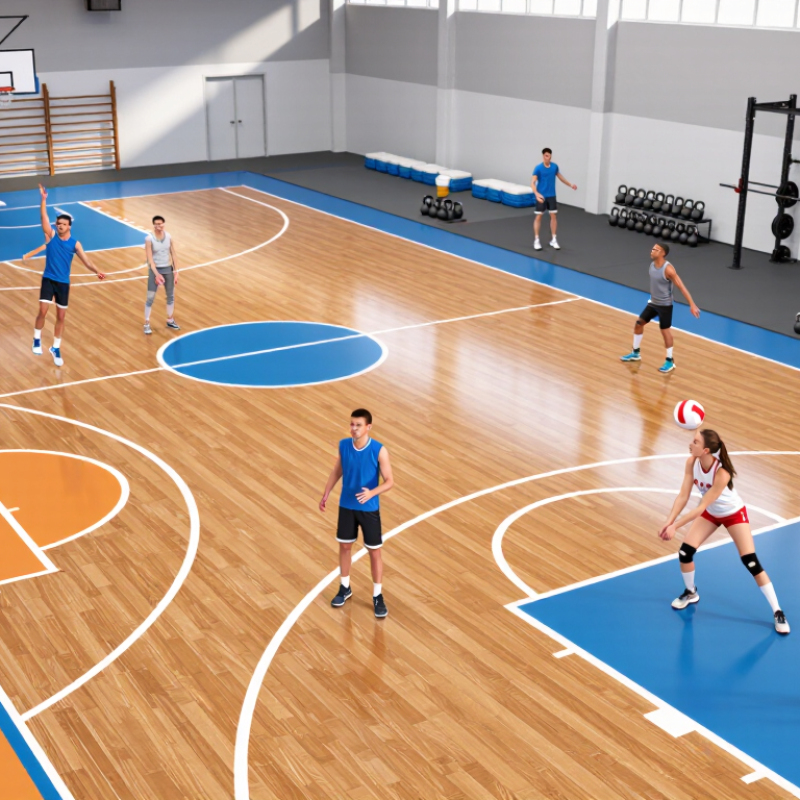
Table of Contents [Hide]
Definition and Core Features of Sports Flooring
Sports flooring is an engineered surface designed for movement, impact, and repeated athletic use. It is more than a smooth floor underfoot. Its structure manages shock, grip, ball response, noise, and athlete comfort. Common systems include wood, rubber, vinyl, polyurethane, and modular tiles. Each type behaves differently during a sprint, jump, or sudden stop.
Safety comes first.
EN 14904:2006 specifies a force-reduction range of 25% to 75% for many indoor sports floors. It also limits vertical deformation to 3.5 millimeters and requires consistent ball rebound performance. These figures show why appearance alone cannot identify a quality floor. A glossy surface may still feel hard, slippery, or uneven after installation. I have seen projects focus on color while overlooking subfloor moisture and joint movement. That mistake can become expensive.
The best type depends on the sport, facility, and maintenance plan. Wood often provides a responsive feel for basketball and volleyball. Rubber supports high traffic and reduces impact in fitness areas. Vinyl offers clean lines and predictable ball behavior. Polyurethane can create a seamless, resilient surface. The National Federation of State High School Associations reported 8,062,302 student-athletes in its 2023–24 participation survey. That scale makes durability and consistent maintenance essential. Yet no material solves every problem. Climate, cleaning chemicals, footwear, and installation quality can change performance over time. A professional assessment should test moisture, shock absorption, friction, and drainage before selecting the final system.