
- High-Performance Doors
-
- Applications
-
-
-
- Clean Room
Stainless steel or composite materials help maintain clean rooms.
-
-
- Coolers
Quick opening speeds & tight seals for temperature control.
-
-
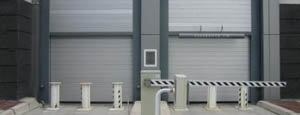
- Parking
Improve security & traffic flow and enhance architectural style.
-
-
- Hurricane Zone
Withstand winds up to 175 mph and comply with the Florida Building Code.
-
-
-
-
- USDA / FDA / cGMP
Increase productivity & address stringent USDA, FDA & cGMP requirements.
-
-
- Freezers
High-speed & perimeter seals minimize the air exchange between areas.
-
-
- Security
High speed & durability ensure secure access.
-
-
- Ventilation
Perforated or screen door panels allow improved air circulation.
-
-
-
-
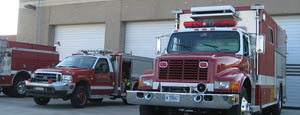
- Fire Station Emergency Response
When time is of the essence, high speed and reliability are crucial.
-
-
- Warehousing
Fast cycle times and secure seals keep environments separated.
-
-
- Loading Dock
Rugged design & secure seal for oversized openings.
-
-
- Large Openings
Break-away functionality with rugged design seals oversized openings.
-
-
-
-
- Heavy Equipment
Withstands challenges of heavy equipment and fleet truck/car wash environments.
-
-
- Self-Storage
Fast opening speeds and reliable, durable construction keep facilities secure and protected.
-
-
- Industries
-
-
-
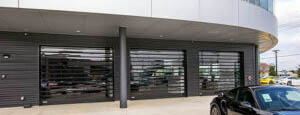
- Automotive Dealerships
Reduce energy costs, increase productivity and comfort and enhance customer perception.
-
-
- Cold Storage & Processing
Increase productivity and operational efficiency while reducing energy and maintenance costs.
-
-
- Parking
We offer solutions for Apartment / Condo & Loft, Standalone Parking Facilities and Office Buildings
-
-
-
-
- Food & Beverage
Doors specifically engineered for USDA/FDA and cGMP environments, and assured compliance for uncompromising performance.
-
-
- Mfg/Dist/Warehousing
A complete product line allows facilities to increase efficiency and safety and reduce maintenance and energy costs.
-
-
- Government
Ensure effective security and environmental controls are maintained for critical government operations.
-
-
-
-
- Transit
Keep operations running smoothly and efficient while reducing energy and maintenance costs.
-
-
- Pharma, Nutraceutical & Biotech
Doors that offer quick, secure access, environmental control and reliability for life science facilities.
-
-
- Support Resources
- Parts
- Contact Us
- Blog/News
- Why Rytec
- Sales Rep Locator
- Careers
- Dealers
- Architectural Resources

















7 Tips for Choosing the Right Foot Pedal Valve
Choosing the right Foot Pedal Valve can determine whether a pneumatic system feels controlled or frustrating. A pedal may look simple, yet its internal spool, port size, return mechanism, and operating pressure affect every cycle. A valve that works smoothly on a clean test bench may respond slowly beside dust, oil, vibration, or wet flooring. Small details matter.
Eric Lanke, President and CEO of the National Fluid Power Association, offers a useful reminder: “A fluid power system is only as reliable as the decisions made around it.” This principle fits Foot Pedal Valve selection well. The cheapest model may not deliver the lowest operating cost. A metal body can survive heavy use, but it may feel excessive for a light-duty workstation. A guarded pedal improves safety, although it can slow intentional access. There is no perfect choice.
This guide explores seven practical tips for comparing valve function, pressure ratings, port connections, materials, pedal feel, installation space, and maintenance needs. It also considers operator comfort, because a stiff pedal can turn a routine task into repeated strain. Check the manufacturer’s specifications. Then question them against the real workplace.
Many buyers focus on airflow first. That is understandable, but incomplete. Control response, contamination resistance, and replacement access deserve equal attention. Even experienced technicians miss one of these points sometimes. I have seen suitable valves fail because the mounting position invited debris buildup. The lesson is uncomfortable but valuable: selection should begin with actual conditions, not attractive catalog pictures.
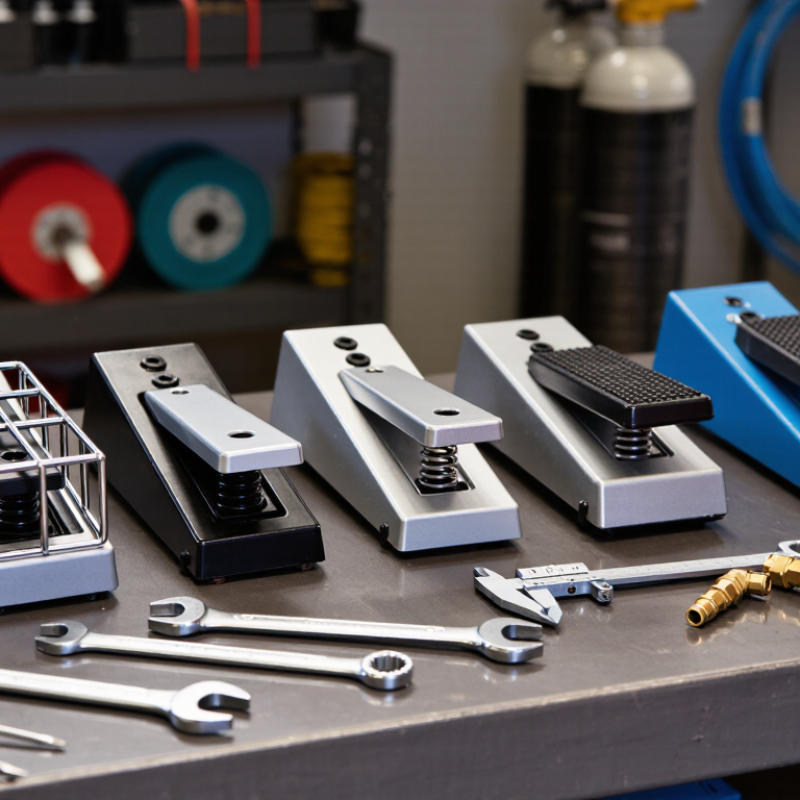
Table of Contents [Hide]
Identify the Application and Required Valve Functions
Choosing a foot pedal valve starts with the task, not the catalog page. Identify what the operator must control: a clamp, cylinder, air motor, or another actuator. Note the working medium, pressure range, cycle speed, and available mounting space. A dusty stamping area may need a guarded pedal and robust construction. A washdown zone may demand corrosion-resistant materials and protected exhaust paths. Do not overlook the operator’s footwear. Heavy boots change pedal feel.
Then define the required valve functions. A three-position valve can provide extend, neutral, and retract control. A two-position valve may suit simple on/off actuation. Decide whether the pedal should spring back, latch, or hold its state. Consider center conditions carefully. Closed-center, exhaust-center, and pressure-center behavior can produce very different actuator responses. Safety-related stopping needs separate engineering review. A valve alone is not a complete safeguarding system.
Before selecting a port size, measure the actuator’s flow demand and response time. Oversizing can make control touchy, while undersizing may slow the cycle. Check pressure ratings, temperature limits, seal compatibility, and duty cycle. Confirm that the connection standard matches existing tubing and fittings. A small mismatch can cause a large installation delay. Test the choice with gloves, normal footwear, and the actual air supply. Listen for leakage. Feel for unintended movement. I once treated pedal travel as a minor detail; it was not. Long travel reduced operator confidence and encouraged awkward foot placement. That lesson still matters.