
- High-Performance Doors
-
- Applications
-
-
-
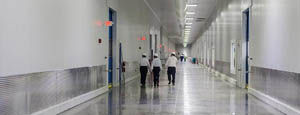
- Clean Room
Stainless steel or composite materials help maintain clean rooms.
-
-
- Coolers
Quick opening speeds & tight seals for temperature control.
-
-
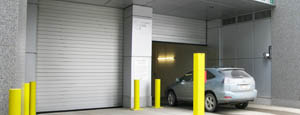
- Parking
Improve security & traffic flow and enhance architectural style.
-
-
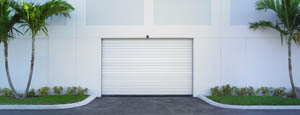
- Hurricane Zone
Withstand winds up to 175 mph and comply with the Florida Building Code.
-
-
-
-
- USDA / FDA / cGMP
Increase productivity & address stringent USDA, FDA & cGMP requirements.
-
-
- Freezers
High-speed & perimeter seals minimize the air exchange between areas.
-
-
- Security
High speed & durability ensure secure access.
-
-
- Ventilation
Perforated or screen door panels allow improved air circulation.
-
-
-
-
- Fire Station Emergency Response
When time is of the essence, high speed and reliability are crucial.
-
-
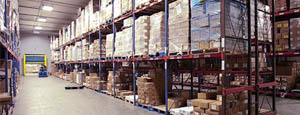
- Warehousing
Fast cycle times and secure seals keep environments separated.
-
-
- Loading Dock
Rugged design & secure seal for oversized openings.
-
-
- Large Openings
Break-away functionality with rugged design seals oversized openings.
-
-
-
-
- Heavy Equipment
Withstands challenges of heavy equipment and fleet truck/car wash environments.
-
-
- Self-Storage
Fast opening speeds and reliable, durable construction keep facilities secure and protected.
-
-
- Industries
-
-
-
- Automotive Dealerships
Reduce energy costs, increase productivity and comfort and enhance customer perception.
-
-
- Cold Storage & Processing
Increase productivity and operational efficiency while reducing energy and maintenance costs.
-
-
- Parking
We offer solutions for Apartment / Condo & Loft, Standalone Parking Facilities and Office Buildings
-
-
-
-
- Food & Beverage
Doors specifically engineered for USDA/FDA and cGMP environments, and assured compliance for uncompromising performance.
-
-
- Mfg/Dist/Warehousing
A complete product line allows facilities to increase efficiency and safety and reduce maintenance and energy costs.
-
-
- Government
Ensure effective security and environmental controls are maintained for critical government operations.
-
-
-
-
- Transit
Keep operations running smoothly and efficient while reducing energy and maintenance costs.
-
-
- Pharma, Nutraceutical & Biotech
Doors that offer quick, secure access, environmental control and reliability for life science facilities.
-
-
- Support Resources
- Parts
- Contact Us
- Blog/News
- Why Rytec
- Sales Rep Locator
- Careers
- Dealers
- Architectural Resources











2026 Top Aluminum Composite Panel Factory for Global Buyers
A reliable Aluminum Composite Panel Factory can shape more than a building’s appearance. It influences panel consistency, installation time, and long-term maintenance. For global buyers, the best supplier is not automatically the one with the lowest quote or the largest product catalogue. What matters is whether its production controls match the project’s needs.
Look beyond polished samples. Ask how the factory controls aluminum skin thickness, coating application, core composition, and finished-panel flatness. Request current technical data and test reports that identify the tested product and relevant performance criteria. Check how batches are traced and how defects are handled. These details matter when panels arrive in different colors, sizes, or production lots. Small differences show.
A good factory should explain its available finishes, dimensions, lead times, packing methods, and export experience clearly. Buyers should also confirm that proposed panels meet the project’s specifications and applicable requirements in the destination market; requirements vary, so assumptions can be costly. Review a physical sample in natural light, and compare it with the agreed color reference. A perfect sample proves little unless production can repeat it. That deserves scrutiny.
This guide explores how to assess manufacturers for quality, documentation, communication, and dependable delivery in 2026. No checklist replaces due diligence, and even experienced buyers can miss a detail. Ask specific questions, verify the answers, and choose a partner whose process is as convincing as its brochure.
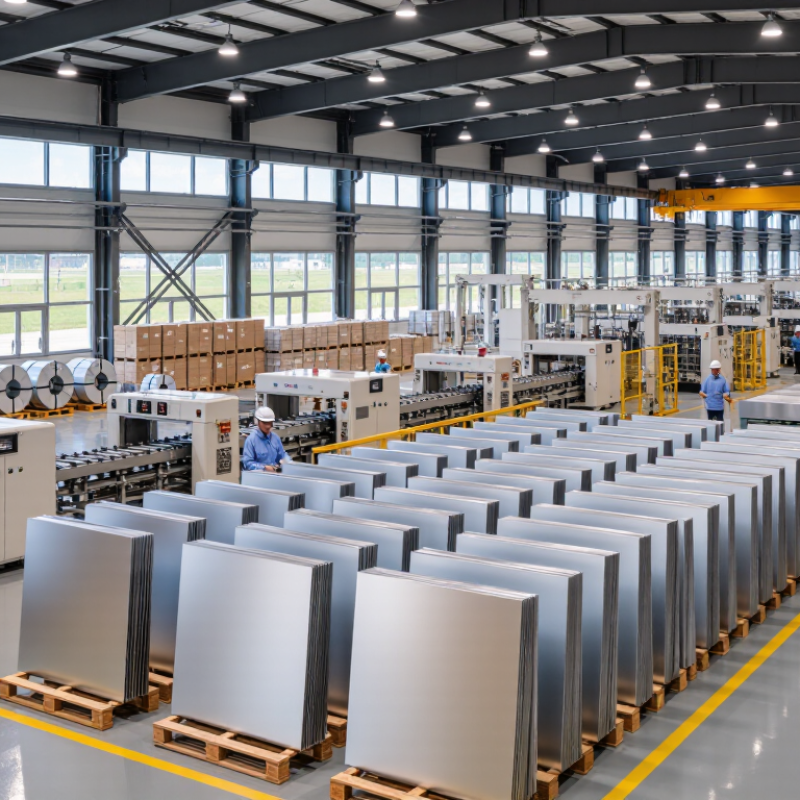
Table of Contents [Hide]
What Defines a Leading Aluminum Composite Panel Factory in 2026?
In 2026, a leading aluminum composite panel factory is defined by controlled performance, not polished photographs. Buyers need panels that remain flat, bonded, and visually consistent after installation. Experienced production teams inspect aluminum coils, coating layers, core materials, and finished edges. They record coating thickness, core density, and panel dimensions at each stage. Small deviations matter. A reliable factory can show batch records, calibration dates, and corrective actions. That evidence builds trust before a container leaves the site.
Professional factories test bond strength, peel resistance, impact performance, and weathering. They use documented methods and independent laboratories where appropriate. Coating samples should face accelerated ultraviolet exposure, humidity, and temperature changes. The results must match the project’s climate and building requirements. A coastal facade needs different protection from an indoor retail wall. Technical staff should explain core options, tolerances, and installation limits in plain language. Confusing advice is a warning sign.
Modern factories also measure energy use, production waste, and material recovery. They segregate recyclable scrap and maintain clear environmental records. Digital tracking helps buyers follow orders, inspections, and packing details. Yet technology alone does not prove quality. A factory may still miss a delivery or overlook a surface defect. Honest suppliers disclose these risks and describe prevention plans. Site visits, retained samples, and responsive after-sales engineers reveal more than brochures. Buyers should ask difficult questions before approving mass production.