
- High-Performance Doors
-
- Applications
-
-
-
- Clean Room
Stainless steel or composite materials help maintain clean rooms.
-
-
- Coolers
Quick opening speeds & tight seals for temperature control.
-
-
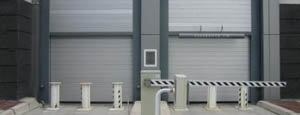
- Parking
Improve security & traffic flow and enhance architectural style.
-
-
- Hurricane Zone
Withstand winds up to 175 mph and comply with the Florida Building Code.
-
-
-
-
- USDA / FDA / cGMP
Increase productivity & address stringent USDA, FDA & cGMP requirements.
-
-
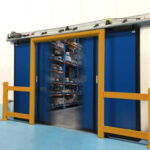
- Freezers
High-speed & perimeter seals minimize the air exchange between areas.
-
-
- Security
High speed & durability ensure secure access.
-
-
- Ventilation
Perforated or screen door panels allow improved air circulation.
-
-
-
-
- Fire Station Emergency Response
When time is of the essence, high speed and reliability are crucial.
-
-
- Warehousing
Fast cycle times and secure seals keep environments separated.
-
-
- Loading Dock
Rugged design & secure seal for oversized openings.
-
-
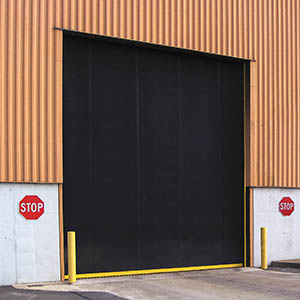
- Large Openings
Break-away functionality with rugged design seals oversized openings.
-
-
-
-
- Heavy Equipment
Withstands challenges of heavy equipment and fleet truck/car wash environments.
-
-
- Self-Storage
Fast opening speeds and reliable, durable construction keep facilities secure and protected.
-
-
- Industries
-
-
-
- Automotive Dealerships
Reduce energy costs, increase productivity and comfort and enhance customer perception.
-
-
- Cold Storage & Processing
Increase productivity and operational efficiency while reducing energy and maintenance costs.
-
-
- Parking
We offer solutions for Apartment / Condo & Loft, Standalone Parking Facilities and Office Buildings
-
-
-
-
- Food & Beverage
Doors specifically engineered for USDA/FDA and cGMP environments, and assured compliance for uncompromising performance.
-
-
- Mfg/Dist/Warehousing
A complete product line allows facilities to increase efficiency and safety and reduce maintenance and energy costs.
-
-
- Government
Ensure effective security and environmental controls are maintained for critical government operations.
-
-
-
-
- Transit
Keep operations running smoothly and efficient while reducing energy and maintenance costs.
-
-
- Pharma, Nutraceutical & Biotech
Doors that offer quick, secure access, environmental control and reliability for life science facilities.
-
-
- Support Resources
- Parts
- Contact Us
- Blog/News
- Why Rytec
- Sales Rep Locator
- Careers
- Dealers
- Architectural Resources





















7 Best Anodized Aluminum Suppliers for Global Buyers
For global buyers, choosing an Anodized Aluminum supplier involves more than comparing prices. Surface appearance matters, but performance matters more. A bright architectural panel, a precision-machined enclosure, and a marine component may require different alloys, finishes, and sealing methods. Supplier capability must match the application.
Alfred W. Brace, a respected authority on aluminum anodizing, described the process as “the controlled conversion of aluminum’s surface into a protective oxide coating.” That principle still guides responsible sourcing. An experienced supplier should explain alloy compatibility, coating thickness, color tolerance, sealing quality, and testing procedures clearly. Certificates help. Physical samples help more.
This guide reviews seven Anodized Aluminum suppliers serving international buyers. It considers production capacity, finishing consistency, export experience, documentation, lead times, and communication. It also examines details that can be overlooked, such as edge coverage, batch variation, protective film, and packaging around corners. Small defects become expensive after installation.
No supplier is perfect.
A strong evaluation should include a written specification and a sample approval process. Buyers should request test reports, factory photographs, references, and realistic delivery schedules. Claims about “premium quality” deserve verification. That is where many sourcing decisions become weak.
The selected companies may suit different needs, from standard anodized sheets to custom profiles and fabricated components. Regional advantages also matter. Freight distance, port access, technical support, and after-sales response can affect the final cost. This comparison aims to provide a practical starting point, not a substitute for due diligence. Reliable sourcing requires evidence, careful questions, and occasional skepticism.

Table of Contents [Hide]
What Makes an Anodized Aluminum Supplier Suitable for Global Buyers
A suitable anodized aluminum supplier understands that global buyers need more than attractive surface finishes. They should explain alloy selection, anodizing type, coating thickness, color tolerance, and sealing methods clearly. Experience shows in practical advice, not polished sales language. Ask for sample panels before approving production. Small differences become visible under warehouse lighting.
Reliable suppliers control each stage with documented inspections. They check dimensions, surface scratches, coating thickness, color variation, and packaging strength. Independent test reports can support claims about corrosion resistance and finish durability. Quality systems are useful, but consistent records matter more. A supplier should also explain what happens when results fall outside specifications.
International orders require careful coordination. The supplier must provide accurate commercial documents, packing lists, export details, and realistic production schedules. Clear communication reduces confusion across time zones. Fast replies help. However, speed alone does not prove competence. Request drawings, inspection photos, material certificates, and a traceable batch reference. These details help buyers investigate problems after delivery.
A capable partner also adapts to regional requirements without making unsupported promises. They should discuss pallet protection, moisture control, labeling, and replacement procedures before shipment. No supplier gets every detail right. That is worth acknowledging. A thoughtful buyer can test one small order, compare the delivered finish with the approved sample, and record lessons before scaling.