
- High-Performance Doors
-
- Applications
-
-
-
- Clean Room
Stainless steel or composite materials help maintain clean rooms.
-
-
- Coolers
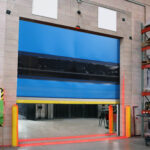
Quick opening speeds & tight seals for temperature control.
-
-
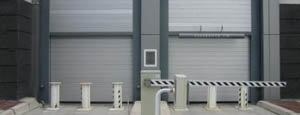
- Parking
Improve security & traffic flow and enhance architectural style.
-
-
- Hurricane Zone
Withstand winds up to 175 mph and comply with the Florida Building Code.
-
-
-
-
- USDA / FDA / cGMP
Increase productivity & address stringent USDA, FDA & cGMP requirements.
-
-
- Freezers
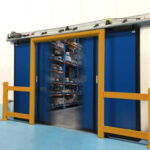
High-speed & perimeter seals minimize the air exchange between areas.
-
-
- Security
High speed & durability ensure secure access.
-
-
- Ventilation
Perforated or screen door panels allow improved air circulation.
-
-
-
-
- Fire Station Emergency Response
When time is of the essence, high speed and reliability are crucial.
-
-
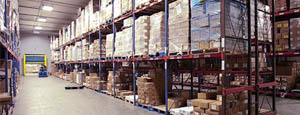
- Warehousing
Fast cycle times and secure seals keep environments separated.
-
-
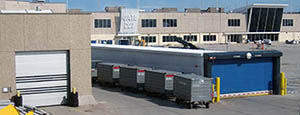
- Loading Dock
Rugged design & secure seal for oversized openings.
-
-
- Large Openings
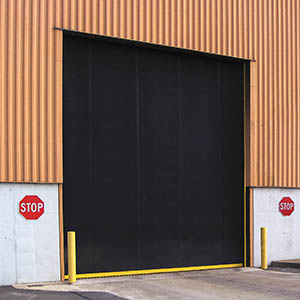
Break-away functionality with rugged design seals oversized openings.
-
-
-
-
- Heavy Equipment
Withstands challenges of heavy equipment and fleet truck/car wash environments.
-
-
- Self-Storage
Fast opening speeds and reliable, durable construction keep facilities secure and protected.
-
-
- Industries
-
-
-
- Automotive Dealerships
Reduce energy costs, increase productivity and comfort and enhance customer perception.
-
-
- Cold Storage & Processing
Increase productivity and operational efficiency while reducing energy and maintenance costs.
-
-
- Parking
We offer solutions for Apartment / Condo & Loft, Standalone Parking Facilities and Office Buildings
-
-
-
-
- Food & Beverage
Doors specifically engineered for USDA/FDA and cGMP environments, and assured compliance for uncompromising performance.
-
-
- Mfg/Dist/Warehousing
A complete product line allows facilities to increase efficiency and safety and reduce maintenance and energy costs.
-
-
- Government
Ensure effective security and environmental controls are maintained for critical government operations.
-
-
-
-
- Transit
Keep operations running smoothly and efficient while reducing energy and maintenance costs.
-
-
- Pharma, Nutraceutical & Biotech
Doors that offer quick, secure access, environmental control and reliability for life science facilities.
-
-
- Support Resources
- Parts
- Contact Us
- Blog/News
- Why Rytec
- Sales Rep Locator
- Careers
- Dealers
- Architectural Resources


















China Top Automobile Parts Manufacturers and Suppliers
China’s automobile manufacturing network supports a broad range of global vehicle programs. It supplies brake components, lighting systems, engine sensors, body panels, filters, and electronic assemblies. This guide introduces China’s top Automobile Parts manufacturers and suppliers through practical, evidence-based criteria.
The review considers production capacity, engineering experience, quality systems, export performance, and customer support. It also examines factory audits, material traceability, testing equipment, and delivery consistency. A reliable supplier should explain its inspection process clearly. For example, buyers may request dimensional reports, coating results, sample records, and batch identification before placing larger orders. Certifications such as IATF 16949 or ISO 9001 can support confidence, but certificates alone do not prove daily performance.
Real experience matters. A supplier producing stamped brackets may perform well, while another may excel in sensors or interior trim. Product fit, tooling control, packaging, and communication often decide whether cooperation succeeds. Cost remains important, but unstable quality can create expensive delays. That lesson is easy to overlook.
No supplier ranking stays complete forever. Market conditions, ownership changes, equipment upgrades, and customer feedback can alter performance. Public information may also be limited or inconsistent. Therefore, this introduction encourages careful verification through factory visits, independent inspections, technical samples, and clear contracts. The strongest partnerships develop through measurable standards, honest communication, and continuous review. In some cases, a smaller manufacturer may offer better attention than a famous name. That possibility deserves consideration.
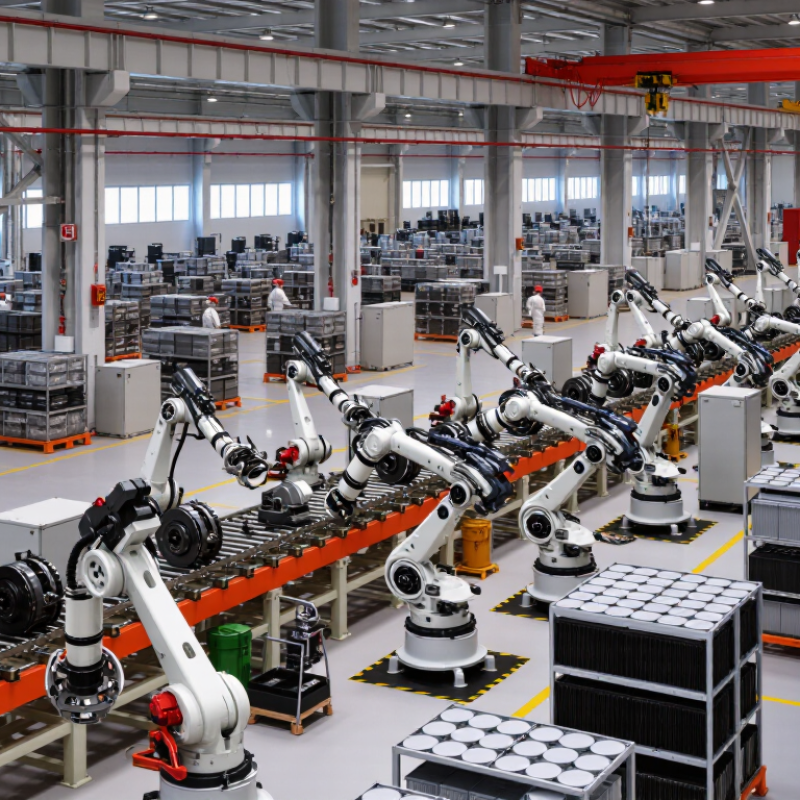
Table of Contents [Hide]
China’s Auto Parts Industry: 30.16 Million Vehicles Built in 2023 (CAAM)
China’s auto parts industry is supported by a massive manufacturing base. According to the China Association of Automobile Manufacturers (CAAM), China built 30.16 million vehicles in 2023. Vehicle sales reached about 30.09 million units. New energy vehicle production also reached 9.59 million units, showing strong demand for batteries, electric motors, sensors, and control systems.
The scale creates opportunities for overseas buyers. However, volume alone can mislead. A capable supplier should provide traceable materials, stable process controls, and clear inspection records. ISO 9001 certification is useful, but it does not replace factory audits. I have seen specifications accepted too quickly, especially when samples look perfect. Production batches can still vary. The IEA Global EV Outlook 2024 also reported that China accounted for more than half of global electric car sales in 2023. This growth raises expectations for thermal management, lightweight components, and electronic reliability.
Tips: Ask for a recent production sample, not only a catalog image. Confirm tolerance data, testing methods, annual capacity, and defect rates. Request a small trial order before committing to large volumes. Check whether the supplier can explain corrective actions clearly. Good communication matters. So does documentation. CAAM data proves market scale, but buyers still need evidence at factory level. Industry figures are impressive; practical verification remains essential.