
- High-Performance Doors
-
- Applications
-
-
-
- Clean Room
Stainless steel or composite materials help maintain clean rooms.
-
-
- Coolers
Quick opening speeds & tight seals for temperature control.
-
-
- Parking
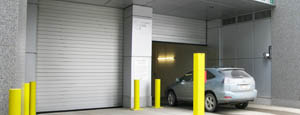
Improve security & traffic flow and enhance architectural style.
-
-
- Hurricane Zone
Withstand winds up to 175 mph and comply with the Florida Building Code.
-
-
-
-
- USDA / FDA / cGMP
Increase productivity & address stringent USDA, FDA & cGMP requirements.
-
-
- Freezers
High-speed & perimeter seals minimize the air exchange between areas.
-
-
- Security
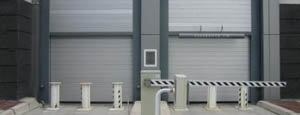
High speed & durability ensure secure access.
-
-
- Ventilation
Perforated or screen door panels allow improved air circulation.
-
-
-
-
- Fire Station Emergency Response
When time is of the essence, high speed and reliability are crucial.
-
-
- Warehousing
Fast cycle times and secure seals keep environments separated.
-
-
- Loading Dock
Rugged design & secure seal for oversized openings.
-
-
- Large Openings
Break-away functionality with rugged design seals oversized openings.
-
-
-
-
- Heavy Equipment
Withstands challenges of heavy equipment and fleet truck/car wash environments.
-
-
- Self-Storage
Fast opening speeds and reliable, durable construction keep facilities secure and protected.
-
-
- Industries
-
-
-
- Automotive Dealerships
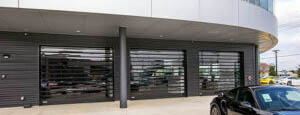
Reduce energy costs, increase productivity and comfort and enhance customer perception.
-
-
- Cold Storage & Processing
Increase productivity and operational efficiency while reducing energy and maintenance costs.
-
-
- Parking
We offer solutions for Apartment / Condo & Loft, Standalone Parking Facilities and Office Buildings
-
-
-
-
- Food & Beverage
Doors specifically engineered for USDA/FDA and cGMP environments, and assured compliance for uncompromising performance.
-
-
- Mfg/Dist/Warehousing
A complete product line allows facilities to increase efficiency and safety and reduce maintenance and energy costs.
-
-
- Government
Ensure effective security and environmental controls are maintained for critical government operations.
-
-
-
-
- Transit
Keep operations running smoothly and efficient while reducing energy and maintenance costs.
-
-
- Pharma, Nutraceutical & Biotech
Doors that offer quick, secure access, environmental control and reliability for life science facilities.
-
-
- Support Resources
- Parts
- Contact Us
- Blog/News
- Why Rytec
- Sales Rep Locator
- Careers
- Dealers
- Architectural Resources
















What Are the Top China Rolling Garage Door Suppliers?
Choosing the right China rolling garage door supplier requires more than comparing catalog prices. Buyers need evidence of manufacturing experience, consistent quality, and dependable communication. A reputable supplier should explain material grades, curtain thickness, motor performance, surface treatments, and available safety features. Clear answers often reveal more than polished product photographs.
This guide examines leading Chinese suppliers through practical purchasing criteria. These include factory capability, quality-control procedures, export experience, customization support, and after-sales service. Site visits, production videos, sample inspections, and independent testing can help verify supplier claims. Certifications should be checked against the destination market, not accepted without review. That detail matters.
A reliable rolling garage door supplier should provide accurate drawings, realistic lead times, protective packaging, and installation guidance. Buyers may also compare galvanized steel, aluminum, insulation options, wind resistance, noise levels, and control systems. A responsive technical team can prevent costly mistakes during installation. Still, no supplier is perfect. Even experienced factories may overlook a small dimension, finish requirement, or delivery detail. Honest evaluation remains essential.
The suppliers discussed here are assessed as potential partners, not simply as low-cost manufacturers. Their strengths may differ. One may offer advanced automation, while another provides flexible customization for commercial projects. Reviews, reference projects, production audits, and warranty terms deserve careful attention. With a structured comparison, buyers can identify a China rolling garage door supplier that matches performance expectations, project conditions, and long-term service needs.
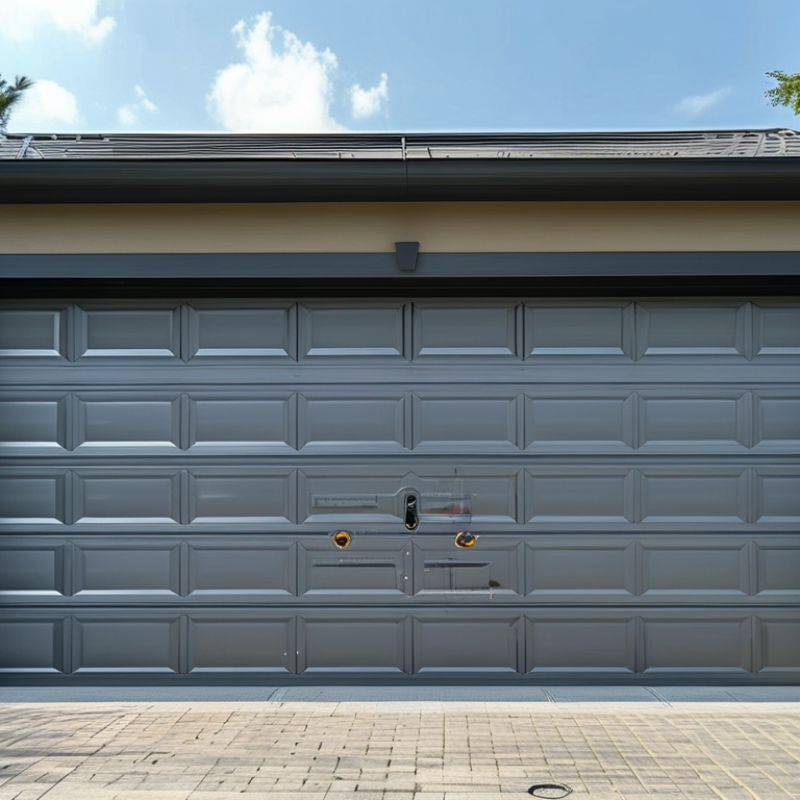
Table of Contents
[Hide]
What Are Rolling Garage Doors and Why Are They Popular in China?
Rolling garage doors are flexible barriers made from horizontal slats that coil above an opening. They create a compact storage system for homes, shops, warehouses, and parking areas. In China, many buildings have limited frontage, so saving ceiling and side space matters. A closed door can also reduce dust, wind, noise, and unwanted visibility. These practical benefits explain their popularity better than appearance alone.
From a supplier’s perspective, common choices include galvanized steel, aluminum, and insulated slats. Steel usually offers strong impact resistance, while aluminum keeps the door lighter and easier to operate. Insulated profiles can help stabilize indoor temperatures in workshops or attached garages. During factory inspections, buyers should check slat thickness, guide-rail alignment, motor performance, emergency release systems, and coating quality. Small details matter. A smooth test cycle reveals more than a polished brochure.
Chinese suppliers often provide custom sizes, control options, and installation guidance for different climates. Reliable manufacturers should explain wind-load limits, maintenance intervals, spare-part access, and warranty conditions in clear language. Still, buyers should not assume every low-priced door delivers equal value. Thin slats may dent easily, and poor seals can allow water around the bottom edge. I have seen specifications look impressive until the door met real dust and repeated daily use. A careful supplier welcomes technical questions and provides measurable test data, not vague promises.
What Are the Top China Rolling Garage Door Suppliers? - What Are Rolling Garage Doors and Why Are They Popular in China?
The table below compares the main product categories, technical specifications, applications, and supplier-selection criteria commonly used when sourcing rolling garage doors from China. Company names and brand information are intentionally excluded.
| Product or Evaluation Dimension | Typical Industry Data | Why It Matters | Common Applications |
|---|---|---|---|
| Single-Skin Steel Rolling Door | Galvanized steel slats commonly range from approximately 0.6–1.2 mm in thickness; manual or motorized operation is available. | Provides a practical balance of cost, durability, and compact storage. | Residential garages, storage rooms, workshops, and small commercial openings. |
| Double-Skin Insulated Rolling Door | Usually manufactured with two metal skins and a foam-insulated core, often using polyurethane insulation. | Improves thermal performance, reduces noise, and offers a more rigid curtain than a single-skin design. | Attached garages, commercial buildings, temperature-sensitive storage, and higher-end residential projects. |
| Aluminum Rolling Garage Door | Uses lightweight aluminum slats; corrosion resistance is generally higher than untreated carbon steel in humid environments. | Reduces curtain weight and can support modern architectural finishes. | Coastal locations, retail façades, residential garages, and projects requiring lower operating loads. |
| Fire-Rated Rolling Door | Designed to limit the spread of fire for a tested period, such as 60, 90, or 120 minutes, depending on the certified assembly. | Supports compartmentation and life-safety requirements where fire separation is required. | Industrial facilities, parking structures, warehouses, service areas, and buildings with fire-rated openings. |
| Manual Operation | Common mechanisms include spring-assisted lifting, chain hoists, and direct manual control. | Suitable for smaller or infrequently used openings and generally has lower purchase and maintenance costs. | Private garages, utility rooms, workshops, and low-traffic storage spaces. |
| Motorized Operation | Typically uses a tubular motor, side motor, or chain-driven operator with wall controls, remote controls, or access-control integration. | Improves convenience and is better suited to frequent opening cycles or heavier curtains. | Residential entrances, commercial garages, parking areas, logistics facilities, and industrial buildings. |
| Space-Saving Design | The curtain rolls around a barrel above the opening instead of swinging outward or sliding along ceiling tracks. | Preserves driveway, ceiling, and interior wall space, which is valuable in dense urban construction. | Urban homes, narrow driveways, underground parking, retail units, and compact workshops. |
| Typical Residential Opening | Many residential projects use openings approximately 2.4–3.0 m wide and 2.1–2.4 m high, although custom sizes are common. | The correct dimensions affect barrel size, curtain weight, motor selection, and installation clearance. | Single-car and double-car garages, villas, townhouses, and residential developments. |
| Common Surface Protection | Galvanizing, powder coating, or pre-painted metal finishes are commonly specified for corrosion and appearance protection. | Finish quality influences service life, color stability, cleaning requirements, and suitability for outdoor exposure. | Exterior residential doors, commercial façades, coastal properties, and industrial sites. |
| Safety Features | Common features include obstruction detection, emergency release, manual override, bottom-edge sensing, and anti-drop protection where applicable. | Reduces the risk of injury, equipment damage, and entrapment during operation. | Homes, public-access facilities, workplaces, parking garages, and high-cycle commercial entrances. |
China Supplier Evaluation Checklist
| Supplier Capability | Recommended Verification Evidence | Practical Purchasing Benefit |
|---|---|---|
| Product Customization | Approved drawings showing opening dimensions, slat profiles, colors, control systems, guide rails, and mounting details. | Helps ensure that the delivered door matches the building opening and local installation conditions. |
| Material Traceability | Material certificates, coating specifications, thickness records, and batch or lot identification. | Makes it easier to verify consistency and investigate quality issues. |
| Performance Testing | Test reports for wind resistance, operating cycles, insulation performance, or fire resistance when these claims apply. | Provides objective evidence instead of relying only on product descriptions. |
| Quality-Control Process | Inspection records covering dimensions, surface finish, motor operation, accessories, packaging, and final assembly. | Reduces defects, installation delays, and replacement costs. |
| Export Packaging | Moisture protection, reinforced cartons or crates, component labeling, packing lists, and loading photographs. | Protects long metal components and electrical parts during international transport. |
| Installation and After-Sales Support | Installation manuals, wiring diagrams, spare-parts lists, troubleshooting instructions, and response procedures. | Improves commissioning efficiency and supports local maintenance teams. |
| Compliance Documentation | Applicable conformity declarations, electrical documentation, fire-test reports, and destination-market certificates. | Helps confirm that the product can be legally specified and installed in the target market. |
Note: Dimensions, material thicknesses, performance ratings, and certification requirements vary by model, opening size, installation method, and destination-market regulations. Final specifications should be confirmed in approved technical drawings and test documentation.
Related Posts
-
Top 10 Benefits of Overhead Coiling Doors for Your Business Needs?
-
Top Tips for Choosing Roll Up Security Doors for Your Business?
-

What Are the Benefits of Slide and Fold Technology for Businesses?
-
Why Overhead Coiling Doors are the Best Choice for Your Business Security and Efficiency
-

Top 5 Benefits of Installing Hurricane Impact Garage Doors for Your Home
-
What is a remote garage door opener and how does it work?