
- High-Performance Doors
-
- Applications
-
-
-
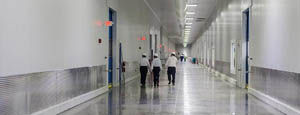
- Clean Room
Stainless steel or composite materials help maintain clean rooms.
-
-
- Coolers
Quick opening speeds & tight seals for temperature control.
-
-
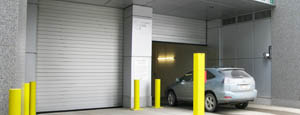
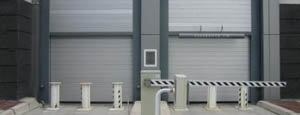
- Parking
Improve security & traffic flow and enhance architectural style.
-
-
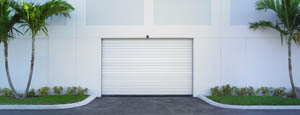
- Hurricane Zone
Withstand winds up to 175 mph and comply with the Florida Building Code.
-
-
-
-
- USDA / FDA / cGMP
Increase productivity & address stringent USDA, FDA & cGMP requirements.
-
-
- Freezers
High-speed & perimeter seals minimize the air exchange between areas.
-
-
- Security
High speed & durability ensure secure access.
-
-
- Ventilation
Perforated or screen door panels allow improved air circulation.
-
-
-
-
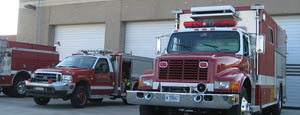
- Fire Station Emergency Response
When time is of the essence, high speed and reliability are crucial.
-
-
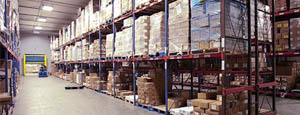
- Warehousing
Fast cycle times and secure seals keep environments separated.
-
-
- Loading Dock
Rugged design & secure seal for oversized openings.
-
-
- Large Openings
Break-away functionality with rugged design seals oversized openings.
-
-
-
-
- Heavy Equipment
Withstands challenges of heavy equipment and fleet truck/car wash environments.
-
-
- Self-Storage
Fast opening speeds and reliable, durable construction keep facilities secure and protected.
-
-
- Industries
-
-
-
- Automotive Dealerships
Reduce energy costs, increase productivity and comfort and enhance customer perception.
-
-
- Cold Storage & Processing
Increase productivity and operational efficiency while reducing energy and maintenance costs.
-
-
- Parking
We offer solutions for Apartment / Condo & Loft, Standalone Parking Facilities and Office Buildings
-
-
-
-
- Food & Beverage
Doors specifically engineered for USDA/FDA and cGMP environments, and assured compliance for uncompromising performance.
-
-
- Mfg/Dist/Warehousing
A complete product line allows facilities to increase efficiency and safety and reduce maintenance and energy costs.
-
-
- Government
Ensure effective security and environmental controls are maintained for critical government operations.
-
-
-
-
- Transit
Keep operations running smoothly and efficient while reducing energy and maintenance costs.
-
-
- Pharma, Nutraceutical & Biotech
Doors that offer quick, secure access, environmental control and reliability for life science facilities.
-
-
- Support Resources
- Parts
- Contact Us
- Blog/News
- Why Rytec
- Sales Rep Locator
- Careers
- Dealers
- Architectural Resources












What Are the Top Galvanized Pipe Suppliers Worldwide?
Choosing the world’s top Galvanized Pipe suppliers requires more than comparing price lists. Buyers must examine coating quality, steel grade, delivery capacity, certifications, and after-sales support. A pipe may look bright and uniform, yet its zinc layer can vary inside threaded ends, weld zones, or cut edges.
Industry demand remains substantial. The World Steel Association reported global crude steel production of about 1.89 billion tonnes in 2023. Meanwhile, Grand View Research estimates that the global galvanized steel market will continue expanding through infrastructure, water systems, construction, and energy projects. These figures do not measure pipe alone. They still show the scale behind supplier competition.
Dr. Gregory Zhang, a recognized galvanizing researcher and author, has stated, “The zinc coating protects steel through both barrier and sacrificial action.” That principle matters on a crowded job site. A properly coated pipe can resist moisture while zinc protects exposed steel near scratches. It is practical protection, not decoration.
This guide will compare leading Galvanized Pipe suppliers across production scale, regional availability, testing systems, and product range. It will consider hot-dip galvanized pipe, structural tubing, conduit, and water-service applications. Details matter. Look for coating-thickness records, mill certificates, dimensional tolerances, and independent inspection options.
There is no perfect ranking.
A supplier strong in Asia may offer excellent volume but slower delivery elsewhere. Another may provide faster local service but narrower sizes. Buyers should test every claim against project conditions, applicable standards, and real customer references. That extra scrutiny may seem slow. It often prevents expensive replacement, shipment delays, and premature corrosion.
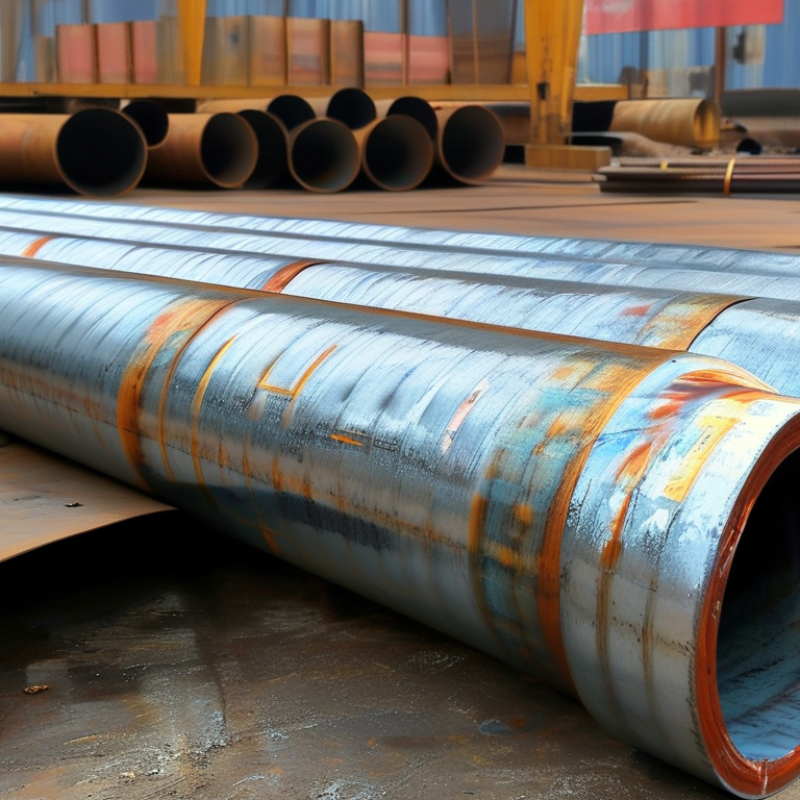
Table of Contents [Hide]
Galvanized Pipe Basics and Their Main Industrial Applications
Galvanized Pipe Basics and Their Main Industrial Applications
Galvanized pipe is usually carbon steel coated with zinc to slow corrosion. The coating acts as a physical barrier and provides sacrificial protection when the surface is scratched. Hot-dip galvanizing commonly produces a thicker, bonded coating than electrogalvanizing. That difference matters in outdoor projects.
The World Steel Association reported about 1.89 billion tonnes of crude steel production in 2023. This huge supply base supports global pipe manufacturing, but quality still varies. Reliable suppliers should provide coating thickness records, chemical analysis, dimensional tolerances, and traceable test certificates. Look for standards such as ASTM A53, ASTM A123, or equivalent regional specifications. A low price may hide thin zinc coverage.
Water distribution, fire sprinkler networks, agricultural irrigation, scaffolding, and structural supports use galvanized pipe widely. In warehouses, it often carries compressed air or protects electrical cabling. The International Zinc Association identifies corrosion protection as zinc’s largest industrial use, confirming galvanizing’s practical importance. Yet galvanized pipe is not suitable for every fluid. Highly acidic or alkaline conditions can attack the coating. Soil chemistry also changes underground performance. I would not treat a coating warranty as a complete engineering decision. Site testing, pressure requirements, temperature, and joining methods deserve equal attention. Small details matter.