
- High-Performance Doors
-
- Applications
-
-
-
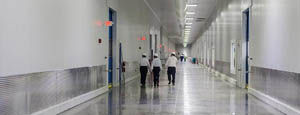
- Clean Room
Stainless steel or composite materials help maintain clean rooms.
-
-
- Coolers
Quick opening speeds & tight seals for temperature control.
-
-
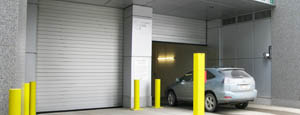
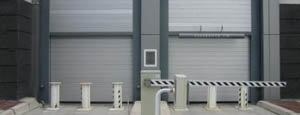
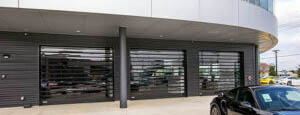
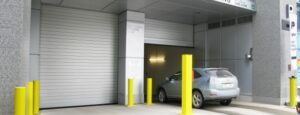
- Parking
Improve security & traffic flow and enhance architectural style.
-
-
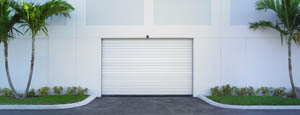
- Hurricane Zone
Withstand winds up to 175 mph and comply with the Florida Building Code.
-
-
-
-
- USDA / FDA / cGMP
Increase productivity & address stringent USDA, FDA & cGMP requirements.
-
-
- Freezers
High-speed & perimeter seals minimize the air exchange between areas.
-
-
- Security
High speed & durability ensure secure access.
-
-
- Ventilation
Perforated or screen door panels allow improved air circulation.
-
-
-
-
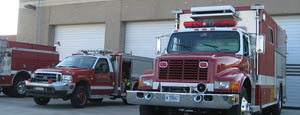
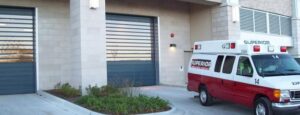
- Fire Station Emergency Response
When time is of the essence, high speed and reliability are crucial.
-
-
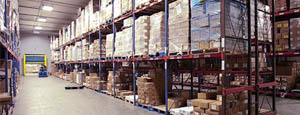
- Warehousing
Fast cycle times and secure seals keep environments separated.
-
-
- Loading Dock
Rugged design & secure seal for oversized openings.
-
-
- Large Openings
Break-away functionality with rugged design seals oversized openings.
-
-
-
-
- Heavy Equipment
Withstands challenges of heavy equipment and fleet truck/car wash environments.
-
-
- Self-Storage
Fast opening speeds and reliable, durable construction keep facilities secure and protected.
-
-
- Industries
-
-
-
- Automotive Dealerships
Reduce energy costs, increase productivity and comfort and enhance customer perception.
-
-
- Cold Storage & Processing
Increase productivity and operational efficiency while reducing energy and maintenance costs.
-
-
- Parking
We offer solutions for Apartment / Condo & Loft, Standalone Parking Facilities and Office Buildings
-
-
-
-
- Food & Beverage
Doors specifically engineered for USDA/FDA and cGMP environments, and assured compliance for uncompromising performance.
-
-
- Mfg/Dist/Warehousing
A complete product line allows facilities to increase efficiency and safety and reduce maintenance and energy costs.
-
-
- Government
Ensure effective security and environmental controls are maintained for critical government operations.
-
-
-
-
- Transit
Keep operations running smoothly and efficient while reducing energy and maintenance costs.
-
-
- Pharma, Nutraceutical & Biotech
Doors that offer quick, secure access, environmental control and reliability for life science facilities.
-
-
- Support Resources
- Parts
- Contact Us
- Blog/News
- Why Rytec
- Sales Rep Locator
- Careers
- Dealers
- Architectural Resources








What Are the Top Battery System Types in Poultry for 2026?
Global egg production continues to expand, making housing design a practical investment decision for producers. FAOSTAT recorded approximately 95 million tonnes of hen eggs worldwide in 2022. That scale increases pressure on farms to improve labor efficiency, hygiene, bird welfare, and resource use.
Battery System In Poultry now covers several distinct housing approaches. Conventional battery cages prioritize high stocking density and efficient feed delivery. Enriched cages add perches, nests, and scratching areas. Automated colony systems combine group housing with mechanized egg collection, manure removal, and climate control. Cage-free aviaries also compete with these systems, although they are not technically battery cages. The 2024 OECD-FAO Agricultural Outlook identifies poultry as a major growth area in global livestock consumption, supporting continued investment in scalable production equipment. However, market growth does not prove that one housing model fits every farm.
Regulatory direction remains uneven. The European Commission continues monitoring cage-free transitions, while U.S. producers face different state and retailer requirements. The United Egg Producers and the USDA also emphasize that housing outcomes depend on ventilation, stocking density, lighting, and daily management. A poorly operated modern system can perform worse than a simpler one. That point is often overlooked. This 2026 overview compares conventional, enriched, automated colony, and cage-free systems through productivity, welfare, capital cost, maintenance, and compliance. Evidence from FAOSTAT, OECD-FAO, USDA publications, and European Commission materials provides the foundation. Some industry claims remain difficult to compare because suppliers use different testing conditions. Careful evaluation is still necessary.
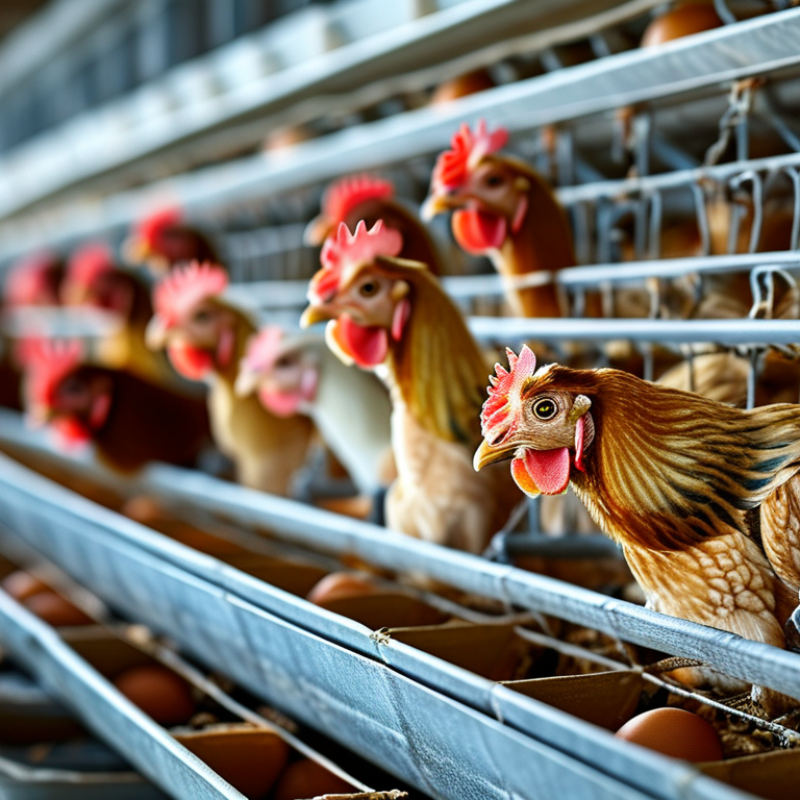
Table of Contents [Hide]
What Are Battery Systems in Poultry Farming?
Battery systems are organized housing units for laying hens. They use rows of connected cages, usually arranged in tiers, with shared feed lines, drinker nipples, egg belts, and manure-removal equipment. The design controls daily work. Eggs move along a belt, while workers inspect birds, equipment, and litter conditions.
Common systems include conventional cage housing, enriched colony housing, and highly automated multi-tier designs. Enriched systems usually add perches, nests, and scratching areas. Regulations differ sharply by country and production market. A system permitted in one region may face restrictions elsewhere. The label “battery” can also be misleading. It describes the structure, not the farm’s complete welfare performance.
Scale explains the continuing interest. FAO’s 2023 Statistical Yearbook reported global hen-egg production above 90 million tonnes in 2021. Large output requires predictable feeding, ventilation, collection, and recordkeeping. USDA poultry guidance also emphasizes monitoring water access, temperature, air quality, and mortality. These controls matter more than impressive machinery alone. A failed drinker line can affect thousands of birds quickly. Not every automated system performs equally well. Poor maintenance, crowded conditions, or weak inspection can undermine the design. Practical operators should compare usable floor area, nesting access, monitoring technology, labor requirements, and local welfare rules before selecting a 2026 battery system.