Why Are Steel Roll Up Doors the Best Choice?

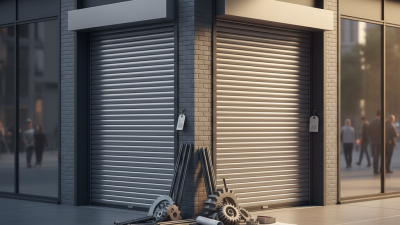
In busy warehouses, the right door affects more than appearance. It influences security, workflow, energy use, and daily safety. From practical installation experience, steel roll up doors perform well where openings face forklifts, delivery trucks, dust, and changing weather. Their interlocking steel slats form a compact curtain above the doorway. This design saves valuable wall and ceiling space. It also supports frequent opening and closing without requiring large swinging panels.

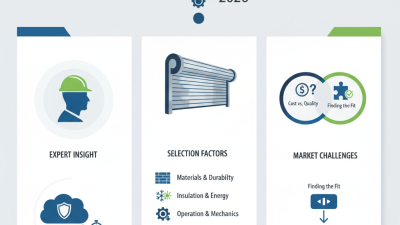
Why are steel roll up doors the best choice? Their strength is a major reason. Galvanized or powder-coated steel can resist impacts, moisture, and demanding industrial conditions. A well-fitted door moves along sturdy guides, while a reliable motor controls smooth operation. Insulated models may also reduce heat transfer around loading areas. That matters.

Reputable manufacturers usually provide cycle ratings, material specifications, and wind-load information. Qualified installers can match these details with the building’s opening size, traffic level, and climate. However, steel roll up doors are not automatically perfect for every facility. Incorrect sizing, neglected lubrication, or damaged guides can create noise and premature wear. Coastal environments may also require stronger corrosion protection. This point deserves honest attention. A door that looks durable may still fail when maintenance is ignored. Regular inspections, prompt repairs, and proper operator training help protect the investment. The best choice is not simply the strongest door. It is the door correctly selected, professionally installed, and consistently maintained for its actual working conditions.
Why Are Steel Roll Up Doors the Best Choice?

What Are Steel Roll Up Doors?

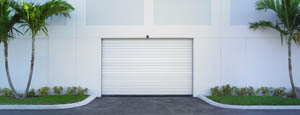
A steel roll-up door is a vertically moving closure made from connected steel slats. The curtain rises around a barrel above the opening. Side guides keep it aligned during movement. A bottom bar closes the gap against the floor.

It is more than a simple metal sheet. The system may include springs, a chain hoist, or an electric operator. Designers usually check clear opening size, cycle frequency, wind pressure, security needs, and fire requirements. The Door and Access Systems Manufacturers Association identifies these factors as key points in rolling door selection. That practical detail matters. A warehouse door used twenty times daily needs different hardware from one used twice.

Steel remains common for a reason. World Steel Association data recorded about 1.89 billion tonnes of crude steel production worldwide in 2023, showing the material’s broad industrial supply. Steel also offers impact resistance and predictable forming. However, “strong” does not mean maintenance-free. Dust can collect inside guides, and worn springs can create uneven movement. I would not specify a door from material alone. NFPA 80 requires periodic inspection and testing for applicable fire door assemblies, commonly at least annually. The exact requirement depends on the assembly and local code. That uncertainty deserves attention. A correctly sized steel roll-up door can protect an opening, save overhead space, and support demanding daily work.

How Steel Roll Up Doors Are Built and Operated

Why Are Steel Roll Up Doors the Best Choice?

How Steel Roll Up Doors Are Built and Operated

A steel roll up door is built from interlocking steel slats that form a flexible curtain. Each slat adds strength while allowing the curtain to coil above the opening. Side guides keep the curtain aligned during movement. A bottom bar helps distribute pressure and closes the gap near the floor.

Inside the head assembly, a barrel stores the rolled curtain. Springs may balance its weight, while a tubular or side-mounted motor controls powered operation. When activated, the motor turns the barrel, lifting or lowering the curtain through the guides. Manual chain operation can provide a practical backup during power interruptions. Safety edges, photo sensors, and emergency release systems help reduce operational risks.

Installation accuracy matters more than many owners expect. The guides must be level, and the barrel must sit squarely across the opening. Even a small alignment error can create scraping, noise, or uneven wear. Regular inspections should check fasteners, slats, guides, bottom seals, and the operating controls. Dirt inside the guides is easy to overlook. It can slow the curtain and strain the motor. I have found that simple cleaning often prevents larger repairs, although it cannot correct poor installation. Steel also needs protection from persistent moisture, especially where scratches expose the surface. That detail is sometimes ignored.

Why Are Steel Roll Up Doors the Best Choice? - How Steel Roll Up Doors Are Built and Operated

Component or Data Dimension Typical Construction or Specification How It Operates Practical Benefit
Curtain or Door Slats Interlocking galvanized or stainless-steel slats; common steel thicknesses are approximately 0.8–2.0 mm, depending on the door design and load requirements. The slats hinge together and travel vertically, then coil around a barrel above the opening. Provides a compact, continuous barrier with good resistance to impact, abrasion, and daily wear.
Steel Surface Protection Galvanized steel commonly uses a zinc coating to slow corrosion; painted or powder-coated finishes may be selected for appearance and additional protection. The coating acts as a barrier and, in galvanized steel, provides sacrificial protection to exposed areas. Improves service life in warehouses, workshops, garages, and other demanding environments when properly maintained.
Guide Rails Vertical steel guides are installed on both sides of the opening and may include replaceable seals, brushes, or wear strips. The curtain edges remain inside the guides as the door moves up or down. Keeps the curtain aligned, limits lateral movement, and helps reduce drafts, light gaps, and rattling.
Bottom Bar and Seal A reinforced bottom bar is typically fitted with a flexible rubber, vinyl, or other resilient bottom seal. The bar closes against the floor and the seal compresses to accommodate minor surface irregularities. Improves closure, helps block dust and weather, and reduces the risk of objects passing beneath the door.
Barrel or Drum A steel barrel supports the coiled curtain and is sized according to the door width, height, curtain weight, and operating system. The barrel rotates during operation, winding the curtain during opening and unwinding it during closing. Allows the door to occupy relatively little space above the opening compared with many hinged or sliding systems.
Counterbalance System Commercial doors may use helical torsion springs, tension springs, or a combination of springs and a motorized operator. Stored spring energy offsets part of the curtain weight, reducing the force needed to raise or lower the door. Supports smoother movement and permits manual operation on systems designed for manual use.
Manual Operation Common methods include a pull chain, hand chain, crank, or direct manual lifting, depending on door size and design. The operator applies force through the counterbalanced mechanism to rotate the barrel. Provides a practical solution where electrical power is unavailable or where opening frequency is relatively low.
Motorized Operation An electric operator uses a motor, gearbox, control station, and limit controls; many installations also include a manual override. Pressing an open, close, or stop control activates the motor, which turns the barrel through the drive system. Reduces manual effort and supports frequent vehicle, equipment, and personnel movement.
Safety Controls Depending on the installation, safety features can include bottom-edge sensing, photoelectric sensors, emergency stop controls, and automatic closing protection. Sensors or monitored edges can stop or reverse powered movement when an obstruction is detected. Helps reduce the risk of injury and damage, provided the system is correctly installed, tested, and maintained.
Wind Resistance Features Wind-rated designs may use stronger slats, reinforced guides, wind locks, and additional structural supports. Wind locks engage with the guides to help retain the curtain when pressure acts across the door. Improves stability in exposed locations; the required rating must be selected for the building site and local conditions.
Thermal Performance Single-skin steel curtains generally provide limited insulation; insulated slats contain a core material and may include seals at the guides and bottom edge. The curtain and perimeter seals reduce heat transfer and air leakage when the door is closed. Insulated configurations can improve energy control, although performance depends on the complete door assembly and installation.
Space Requirement The curtain rolls into a compact overhead coil rather than swinging outward or sliding along a wall. The opening remains clear as the curtain rises vertically. Conserves floor and side-wall space, which is useful in loading bays, service areas, and narrow driveways.
Routine Maintenance Typical checks include cleaning guides, inspecting slats and fasteners, testing safety devices, checking seals, and lubricating approved moving parts. Regular inspection identifies misalignment, unusual noise, worn components, and changes in operating force. Helps preserve reliable operation and identifies faults before they lead to costly downtime.

Note: Specifications vary by door size, application, local building requirements, wind exposure, and the selected operating system. Spring adjustment, electrical work, and repairs to high-tension components should be performed by qualified personnel.

Why Steel Roll Up Doors Provide Superior Security

Why Are Steel Roll Up Doors the Best Choice?

Steel roll up doors provide superior security because their interlocking curtains create a continuous barrier. Unlike hinged doors, they leave less exposed surface for prying tools. Heavy-duty guide rails also help keep the curtain aligned during impact. The FBI Crime Data Explorer recorded an estimated 847,522 burglaries in the United States in 2022. That figure shows why physical security still matters. In daily operations, a locked steel curtain can protect loading bays, storefronts, and equipment after closing.

Security depends on more than steel thickness. NFPA 80 requires regular inspection and testing for many fire doors and shutters. DASMA technical guidance also stresses proper installation, balanced operation, and suitable end locks. These details reduce gaps and discourage forced lifting. A practical inspection should examine the bottom bar, guides, locks, and operator controls. A damaged guide can weaken the whole system. No door is invincible. That point is easy to forget.

Tips: Choose a curtain gauge suitable for the opening and threat level. Add monitored access control where valuable goods remain overnight. Schedule documented inspections after severe impact or unusual operating noise. Keep emergency release instructions visible. Do not ignore small bends; they often become larger failures. Consult a qualified installer for site-specific recommendations, because security needs vary by building layout, traffic, and local fire requirements.

How Steel Roll Up Doors Improve Durability and Efficiency

Why Are Steel Roll Up Doors the Best Choice?

Steel roll-up doors combine impact resistance, compact storage, and dependable daily operation. Galvanized steel slats resist dents, moisture, and repeated contact. In busy loading areas, the curtain coils above the opening, preserving valuable floor space. Faster opening cycles can also reduce vehicle waiting time. Not every door performs equally. Weak guides, poor installation, and worn seals can quickly reduce its value.

Efficiency depends on more than the steel curtain. The U.S. Energy Information Administration’s 2018 CBECS report identifies space heating as roughly 32% of commercial building energy use. That figure is building-wide, not door-specific. Still, it shows why uncontrolled airflow deserves attention. Insulated steel curtains, flexible bottom seals, and weather-stripped guides help limit drafts. DASMA technical guidance emphasizes correct sizing, professional installation, and scheduled inspection. These practices support consistent performance and longer service life. A higher insulation rating does not guarantee lower bills. Doors left open too long will waste energy.

Tips: Specify corrosion-resistant steel for damp environments. Check bottom seals and guide alignment monthly. Record opening cycles and repair calls. If traffic is unusually heavy, review the cycle rating before purchase. A simple maintenance log often reveals problems before downtime becomes expensive. Yet even good maintenance cannot fix an unsuitable door design.

Why Are Steel Roll-Up Doors the Best Choice?

How Steel Roll-Up Doors Improve Durability and Efficiency

Insulated steel roll-up doors can significantly reduce conductive heat transfer compared with uninsulated steel doors. In this representative comparison, increasing thermal resistance from R-1.5 to R-12 reduces theoretical conductive heat flow to approximately 12.5% under the same temperature difference. Steel also provides strong resistance to impact, repeated operation, and daily industrial use, while galvanized or coated surfaces help protect the door from corrosion.

The heat-flow values are calculated using the inverse relationship between heat transfer and R-value. Actual results vary according to door size, seals, thermal bridging, installation quality, and operating conditions.

Where Steel Roll Up Doors Are Most Commonly Used

Why Are Steel Roll Up Doors the Best Choice?

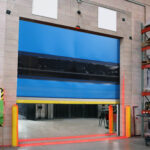
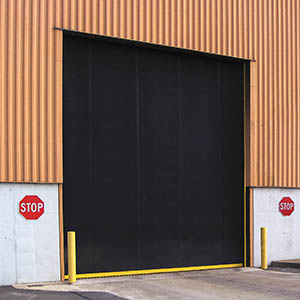
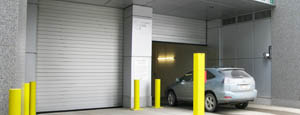
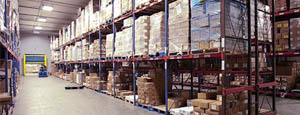
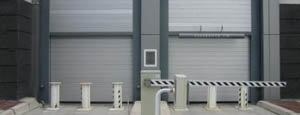
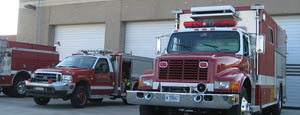
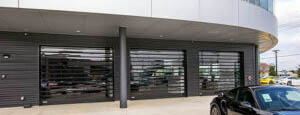
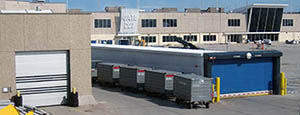
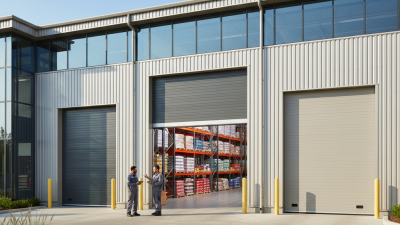
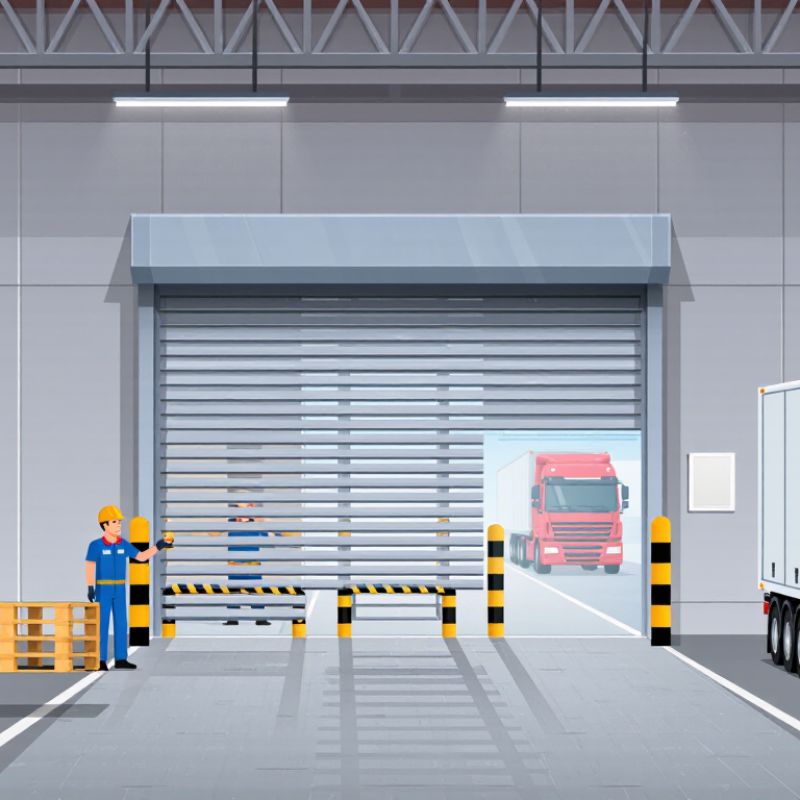
Steel roll up doors are most common in warehouses, loading docks, workshops, self-storage facilities, and fire stations. These locations need wide openings without sacrificing floor space. The door coils above the entrance, keeping forklift paths and narrow aisles clear. Steel panels also resist dents from carts, pallets, and daily traffic.

The U.S. Energy Information Administration’s 2018 Commercial Buildings Energy Consumption Survey recorded about 97 billion square feet of commercial space. Warehouses and storage buildings formed roughly one-tenth of that area. That scale explains the demand for durable access systems.

Safety matters in busy facilities. The Bureau of Labor Statistics reported a 2022 fatal injury rate of 16.8 per 100,000 workers in transportation and warehousing. A door cannot remove every hazard. However, clear visibility, guarded edges, emergency release systems, and scheduled inspections can reduce operational risks.

NFPA 80 also emphasizes proper inspection and maintenance for fire-rated opening assemblies. Steel roll up doors are not automatically the best choice. Coastal corrosion, extreme temperatures, or frequent high-speed traffic may require different specifications. I would not select one blindly.

Tips: Measure the opening twice, including headroom and side clearance. Check the expected daily cycles. Ask for wind-load, insulation, and fire-rating documentation. Inspect guides, springs, brakes, and bottom seals regularly. A practical detail is often missed: keep pallets away from the curtain path.