
- High-Performance Doors
-
- Applications
-
-
-
- Clean Room
Stainless steel or composite materials help maintain clean rooms.
-
-
- Coolers
Quick opening speeds & tight seals for temperature control.
-
-
- Parking
Improve security & traffic flow and enhance architectural style.
-
-
- Hurricane Zone
Withstand winds up to 175 mph and comply with the Florida Building Code.
-
-
-
-
- USDA / FDA / cGMP
Increase productivity & address stringent USDA, FDA & cGMP requirements.
-
-
- Freezers
High-speed & perimeter seals minimize the air exchange between areas.
-
-
- Security
High speed & durability ensure secure access.
-
-
- Ventilation
Perforated or screen door panels allow improved air circulation.
-
-
-
-
- Fire Station Emergency Response
When time is of the essence, high speed and reliability are crucial.
-
-
- Warehousing
Fast cycle times and secure seals keep environments separated.
-
-
- Loading Dock
Rugged design & secure seal for oversized openings.
-
-
- Large Openings
Break-away functionality with rugged design seals oversized openings.
-
-
-
-
- Heavy Equipment
Withstands challenges of heavy equipment and fleet truck/car wash environments.
-
-
- Self-Storage
Fast opening speeds and reliable, durable construction keep facilities secure and protected.
-
-
- Industries
-
-
-
- Automotive Dealerships
Reduce energy costs, increase productivity and comfort and enhance customer perception.
-
-
- Cold Storage & Processing
Increase productivity and operational efficiency while reducing energy and maintenance costs.
-
-
- Parking
We offer solutions for Apartment / Condo & Loft, Standalone Parking Facilities and Office Buildings
-
-
-
-
- Food & Beverage
Doors specifically engineered for USDA/FDA and cGMP environments, and assured compliance for uncompromising performance.
-
-
- Mfg/Dist/Warehousing
A complete product line allows facilities to increase efficiency and safety and reduce maintenance and energy costs.
-
-
- Government
Ensure effective security and environmental controls are maintained for critical government operations.
-
-
-
-
- Transit
Keep operations running smoothly and efficient while reducing energy and maintenance costs.
-
-
- Pharma, Nutraceutical & Biotech
Doors that offer quick, secure access, environmental control and reliability for life science facilities.
-
-
- Support Resources
- Parts
- Contact Us
- Blog/News
- Why Rytec
- Sales Rep Locator
- Careers
- Dealers
- Architectural Resources




















Why Choose a Tablet Counter for Your Business?
Why choose a Tablet Counter for your business? The answer begins with consistency. Manual counting can slow production and invite avoidable errors. A modern Tablet Counter uses sensors, controlled vibration, and calibrated channels. It can count tablets quickly while reducing direct handling. That matters in pharmaceutical, nutraceutical, and healthcare packaging.
Kevin C. O’Donnell, a pharmaceutical packaging specialist, states, “A reliable count is only valuable when operators can verify it.” This principle deserves attention. A dependable machine should provide clear settings, repeatable results, and simple checks. Operators need to see the count, inspect the product path, and confirm the container before sealing. Good equipment supports that process.
A Tablet Counter can also improve workflow. It may connect with bottle unscramblers, capping machines, labelers, and inspection systems. Less waiting. Fewer bottlenecks. Production becomes easier to measure. However, automation is not a perfect answer. Dust, static, damaged tablets, and poor calibration can still affect performance. Staff training remains essential. Regular cleaning and documented verification protect product quality.
Imagine a busy line with small tablets moving through transparent channels. The display shows the target count. A reject mechanism separates unusual pieces. The operator checks the result before the bottle moves forward. These details create confidence, but only when maintained carefully. Choosing the right Tablet Counter means evaluating speed, accuracy, product size, cleaning access, and future production needs. The cheapest option may become expensive when downtime begins. Reliability should be judged on the factory floor, not only in a brochure.
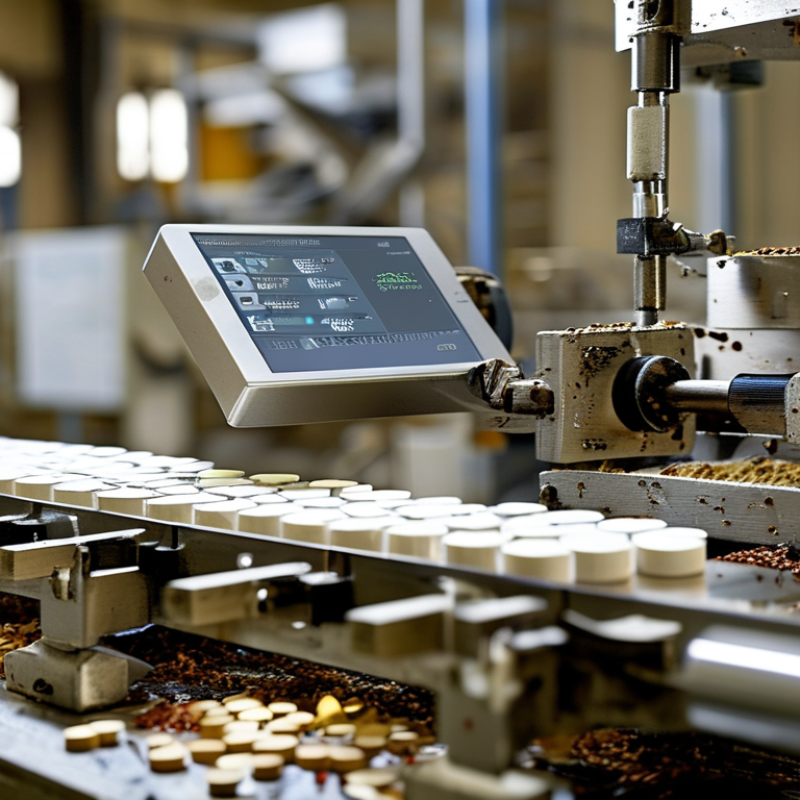
Table of Contents [Hide]
What Is a Tablet Counter and How Does It Work?
A tablet counter is a packaging machine that counts solid doses before they enter a bottle or pouch. Its operation is straightforward, but accuracy depends on several controlled steps. Tablets move from a hopper onto a vibrating or rotating feeding surface. The system separates them into a steady flow. Photoelectric sensors then detect each passing tablet and transmit the count to a control unit. When the target number is reached, a gate directs the batch into its container.
Modern counters may include dust extraction, bottle detection, jam alarms, and automatic reject functions. These features help operators identify broken tablets, double feeds, or incomplete counts. The International Society for Pharmaceutical Engineering emphasizes equipment qualification, calibration, and documented process controls in pharmaceutical packaging guidance. Those controls matter because speed alone proves very little. A fast machine can repeat an error quickly.
The World Health Organization’s 2017 Medication Without Harm report estimated that medication errors cost about US$42 billion globally each year. A tablet counter cannot prevent every packaging mistake, but it can reduce repetitive manual counting and create measurable process records. The real performance depends on tablet shape, coating, vibration settings, cleaning, and operator training. Small tablets can behave unpredictably. That is the weak point.
Before choosing a counter, businesses should test representative products at different speeds. They should review count accuracy, changeover time, sensor verification, and cleaning access. These checks reveal practical limits that sales figures may hide. Industry reports often present projected efficiency gains, yet actual results vary between facilities. Validation remains essential.