
- High-Performance Doors
-
- Applications
-
-
-
- Clean Room
Stainless steel or composite materials help maintain clean rooms.
-
-
- Coolers
Quick opening speeds & tight seals for temperature control.
-
-
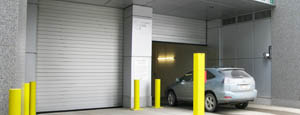
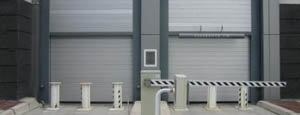
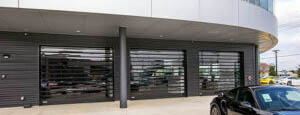
- Parking
Improve security & traffic flow and enhance architectural style.
-
-
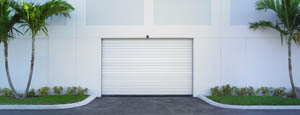
- Hurricane Zone
Withstand winds up to 175 mph and comply with the Florida Building Code.
-
-
-
-
- USDA / FDA / cGMP
Increase productivity & address stringent USDA, FDA & cGMP requirements.
-
-
- Freezers
High-speed & perimeter seals minimize the air exchange between areas.
-
-
- Security
High speed & durability ensure secure access.
-
-
- Ventilation
Perforated or screen door panels allow improved air circulation.
-
-
-
-
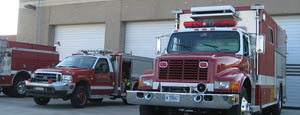
- Fire Station Emergency Response
When time is of the essence, high speed and reliability are crucial.
-
-
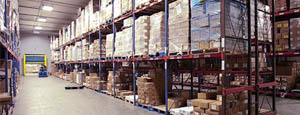
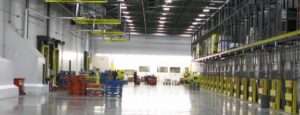
- Warehousing
Fast cycle times and secure seals keep environments separated.
-
-
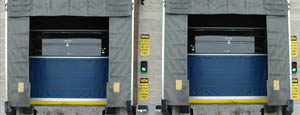
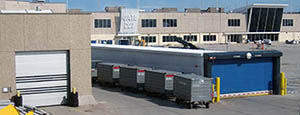
- Loading Dock
Rugged design & secure seal for oversized openings.
-
-
- Large Openings
Break-away functionality with rugged design seals oversized openings.
-
-
-
-
- Heavy Equipment
Withstands challenges of heavy equipment and fleet truck/car wash environments.
-
-
- Self-Storage
Fast opening speeds and reliable, durable construction keep facilities secure and protected.
-
-
- Industries
-
-
-
- Automotive Dealerships
Reduce energy costs, increase productivity and comfort and enhance customer perception.
-
-
- Cold Storage & Processing
Increase productivity and operational efficiency while reducing energy and maintenance costs.
-
-
- Parking
We offer solutions for Apartment / Condo & Loft, Standalone Parking Facilities and Office Buildings
-
-
-
-
- Food & Beverage
Doors specifically engineered for USDA/FDA and cGMP environments, and assured compliance for uncompromising performance.
-
-
- Mfg/Dist/Warehousing
A complete product line allows facilities to increase efficiency and safety and reduce maintenance and energy costs.
-
-
- Government
Ensure effective security and environmental controls are maintained for critical government operations.
-
-
-
-
- Transit
Keep operations running smoothly and efficient while reducing energy and maintenance costs.
-
-
- Pharma, Nutraceutical & Biotech
Doors that offer quick, secure access, environmental control and reliability for life science facilities.
-
-
- Support Resources
- Parts
- Contact Us
- Blog/News
- Why Rytec
- Sales Rep Locator
- Careers
- Dealers
- Architectural Resources











Why Choose Metallized Film Capacitors for Global Sourcing?
Global sourcing decisions often begin with price, availability, and supplier reach. Metallized Film Capacitors require a wider view. Their performance depends on dielectric material, metallization quality, self-healing behavior, winding tension, and sealing methods. These details can decide whether a capacitor survives a hot inverter cabinet or fails after repeated voltage pulses.
John D. Prymak, a recognized capacitor-industry specialist, has emphasized, “Reliability begins with understanding the application, not merely selecting a part.” That principle fits global procurement closely. A capable supplier should explain rated voltage, capacitance tolerance, dissipation factor, insulation resistance, and expected service life. Clear test records matter. So do traceable materials and consistent production controls.
Look closely.
A sourcing team may compare two visually similar components. One may use thicker metallization, better edge margins, and stronger moisture protection. The difference might appear only after thermal cycling, vibration, or thousands of switching events. Metallized Film Capacitors can also offer low losses, compact construction, and reliable self-healing performance for power electronics, renewable-energy systems, motor drives, and industrial controls.
Still, global sourcing is not automatically safer or cheaper. Freight delays, communication gaps, changing specifications, and weak after-sales support can erase an attractive quotation. I may be placing too much confidence in certifications alone; factory audits and sample testing remain necessary. This article examines why buyers choose Metallized Film Capacitors internationally, while questioning the assumptions behind cost, quality, and supplier reliability. It focuses on practical evidence, not impressive claims.
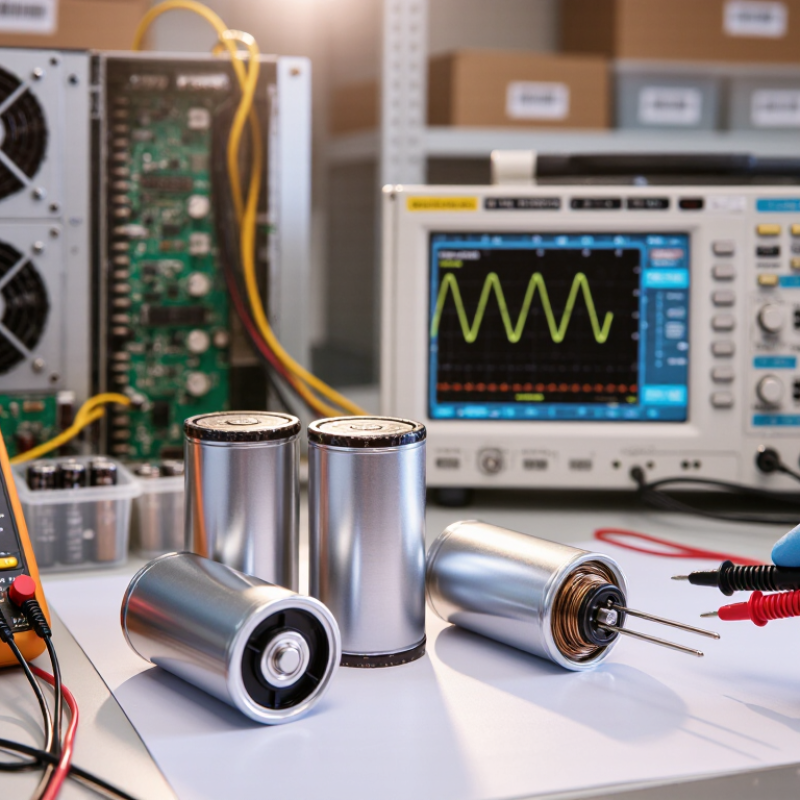
Table of Contents [Hide]
What Are Metallized Film Capacitors?
A metallized film capacitor is a passive component made from a thin polymer film coated with an extremely fine metal layer. The film commonly uses polypropylene or polyester. It is wound or stacked, then sealed inside a protective case. When voltage is applied, the metal coating stores electrical energy across the insulating film.
The metal layer is remarkably thin. If a small defect causes breakdown, the surrounding coating can evaporate and isolate the damaged area. Engineers call this self-healing. It helps maintain operation, but it does not make the capacitor indestructible. That distinction matters during global sourcing. Temperature, humidity, ripple current, and mechanical stress can gradually reduce performance. According to Grand View Research’s 2024 Film Capacitor Market report, the global market was estimated at about USD 2 billion in 2023, with continued growth expected through 2030. The report connects demand with power electronics, renewable energy, and electric mobility.
Electrical specifications need close reading. Capacitance alone is insufficient. Buyers should compare rated voltage, dielectric type, maximum temperature, dissipation factor, insulation resistance, and expected service life. IEC 60384-1 provides a widely used framework for fixed capacitors and supports more consistent qualification. Still, one assumption deserves review: a larger capacitance value is not automatically better. A compact capacitor with lower losses may outperform a larger part in a high-frequency circuit. Endurance data under actual operating conditions remains more valuable than a convenient catalog number.