
- High-Performance Doors
-
- Applications
-
-
-
- Clean Room
Stainless steel or composite materials help maintain clean rooms.
-
-
- Coolers
Quick opening speeds & tight seals for temperature control.
-
-
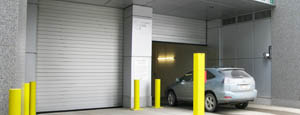
- Parking
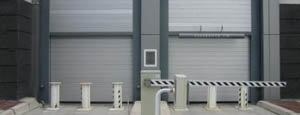
Improve security & traffic flow and enhance architectural style.
-
-
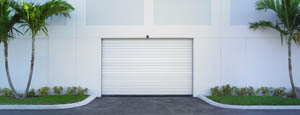
- Hurricane Zone
Withstand winds up to 175 mph and comply with the Florida Building Code.
-
-
-
-
- USDA / FDA / cGMP
Increase productivity & address stringent USDA, FDA & cGMP requirements.
-
-
- Freezers
High-speed & perimeter seals minimize the air exchange between areas.
-
-
- Security
High speed & durability ensure secure access.
-
-
- Ventilation
Perforated or screen door panels allow improved air circulation.
-
-
-
-
- Fire Station Emergency Response
When time is of the essence, high speed and reliability are crucial.
-
-
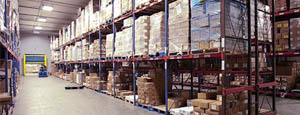
- Warehousing
Fast cycle times and secure seals keep environments separated.
-
-
- Loading Dock
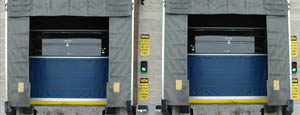
Rugged design & secure seal for oversized openings.
-
-
- Large Openings
Break-away functionality with rugged design seals oversized openings.
-
-
-
-
- Heavy Equipment
Withstands challenges of heavy equipment and fleet truck/car wash environments.
-
-
- Self-Storage
Fast opening speeds and reliable, durable construction keep facilities secure and protected.
-
-
- Industries
-
-
-
- Automotive Dealerships
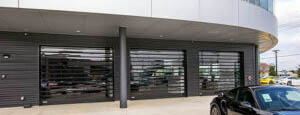
Reduce energy costs, increase productivity and comfort and enhance customer perception.
-
-
- Cold Storage & Processing
Increase productivity and operational efficiency while reducing energy and maintenance costs.
-
-
- Parking
We offer solutions for Apartment / Condo & Loft, Standalone Parking Facilities and Office Buildings
-
-
-
-
- Food & Beverage
Doors specifically engineered for USDA/FDA and cGMP environments, and assured compliance for uncompromising performance.
-
-
- Mfg/Dist/Warehousing
A complete product line allows facilities to increase efficiency and safety and reduce maintenance and energy costs.
-
-
- Government
Ensure effective security and environmental controls are maintained for critical government operations.
-
-
-
-
- Transit
Keep operations running smoothly and efficient while reducing energy and maintenance costs.
-
-
- Pharma, Nutraceutical & Biotech
Doors that offer quick, secure access, environmental control and reliability for life science facilities.
-
-
- Support Resources
- Parts
- Contact Us
- Blog/News
- Why Rytec
- Sales Rep Locator
- Careers
- Dealers
- Architectural Resources











What Is the Best Foldable Door for Your Space?
Choosing the best foldable door starts with the space, not the showroom display. A bright glass wall may look impressive, yet it can create glare, heat gain, and difficult cleaning. Measure the opening carefully. Note the ceiling height, floor level, wind exposure, and the direction of the panels. A small uneven threshold can affect smooth operation every day.
Joe Altieri, founder of LaCantina Doors and a recognized folding-door specialist, says, “The best door is the one that disappears when you want it to.” That idea is useful, but it is not the whole answer. A practical foldable door must also support its panel weight, seal against weather, and operate safely after years of use. Check the track design, roller quality, frame material, glazing performance, and available service support. Aluminum frames suit modern openings, while timber can offer warmer texture and stronger visual character. Neither option is automatically better.
Aesthetics can mislead.
Think about real routines. Will children use the door? Will furniture block the opening? Does the room need quiet insulation, stronger security, or a low threshold for easier access? These details often matter more than the widest opening or thinnest frame. Budget planning should include installation, drainage, maintenance, and future hardware replacement. I would not choose a system only because its panels fold neatly. The best choice balances movement, comfort, durability, and honest site conditions. That balance makes the door feel effortless, even when the engineering behind it is not.
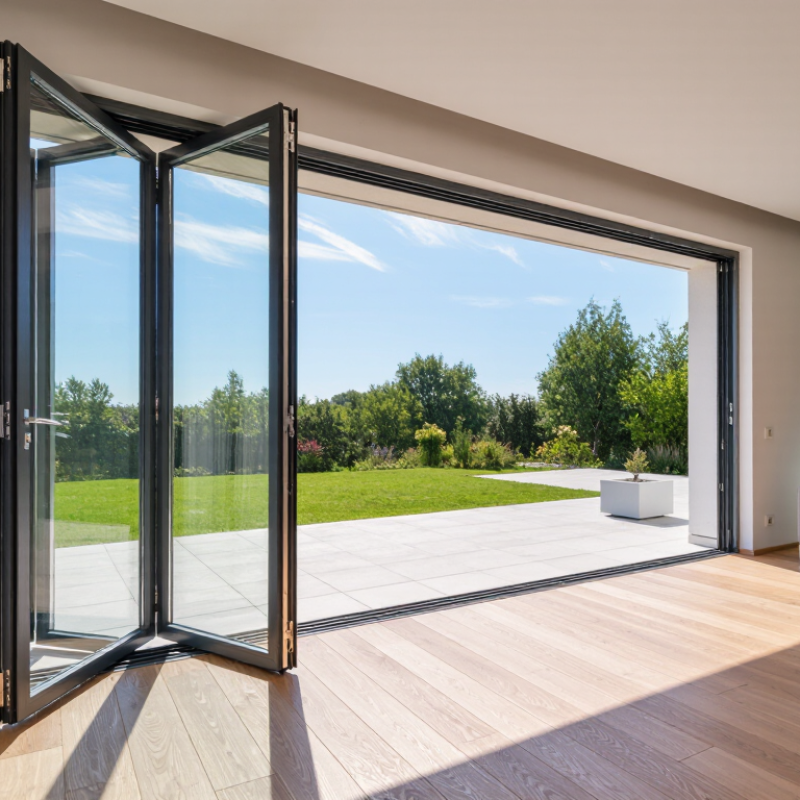
Table of Contents
[Hide]
Define Opening Size, Panel Count, Stack Depth, and Traffic Flow Needs
What Is the Best Foldable Door for Your Space?
The best foldable door starts with the opening, not the catalog. Measure width and height at the top, middle, and bottom. Record the smallest measurement. Check whether the floor is level and the head is structurally sound. These details prevent binding and uneven gaps. I once measured only the widest point on a renovation project. The panels looked suitable, but the finished opening narrowed near the sill. That small oversight changed the layout.
Panel count should match both width and daily use. More panels can create narrower leaves, but they also add hinges, rollers, and cleaning points. Fewer panels may feel simpler, yet each leaf can become heavier and harder to guide. Calculate the folded stack depth before ordering. A stack beside a cabinet can block drawers or reduce a hallway by several inches. Also map the traffic flow. Decide where people enter, pause, carry furniture, and turn. A single active panel often works better than opening the whole system. However, this depends on hardware and local clearances.
Tips: Mark the stack area with tape on the floor. Walk through it with a tray or chair. Ask the installer to confirm load paths, drainage, weather seals, and access requirements. Keep a written measurement sheet with photos. Recheck everything after plaster, flooring, and trim are complete. I prefer this slower method, although it can feel excessive. Door decisions are rarely reversible.
Related Posts
-
The Ultimate Guide to Choosing Foldable Doors in 2026?
-
Top Folding Doors for Global Buyers How to Choose?
-
2026 Top Folding Sliding Doors for Global Buyers
-
Revolutionize Your Living Space with Innovative Folding Sliding Doors Solutions
-
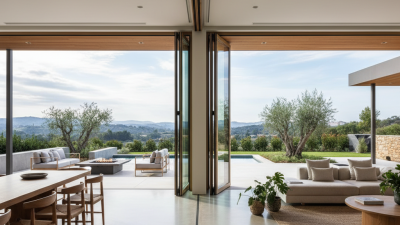
Top 10 Folding Doors That Transform Your Space into a Stylish Haven
-

Why Choose Folding Sliding Doors for Your Home?